Trading Regulation in Venezuela (2026): Retail Safety Guide
A 2026 guide to Venezuela trading regulation: regulators, what’s legal (stocks, forex, crypto), broker verification steps, taxes, and key retail risks.

A 2026 guide to Venezuela trading regulation: regulators, what’s legal (stocks, forex, crypto), broker verification steps, taxes, and key retail risks.
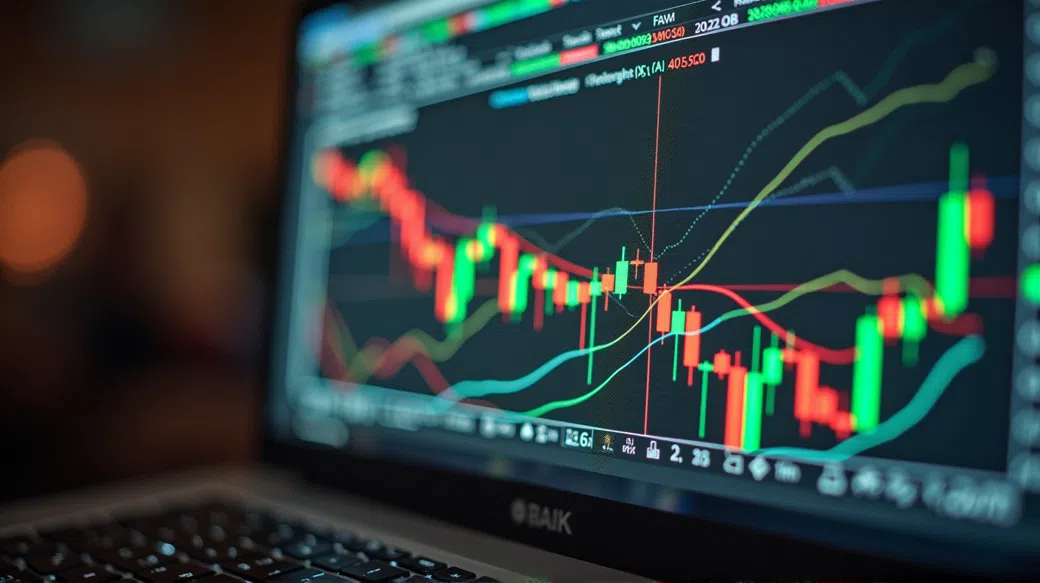
Trading regulation in Venezuela sits across securities oversight and monetary supervision: the securities watchdog supervises public markets and intermediaries, while the central bank influences currency rules and payment rails. For retail traders, the practical question is whether your product and your broker fall under the local regulatory framework for traders—or whether you are effectively dealing offshore, where protections tend to be thinner.
SUNAVAL is the primary authority for securities oversight—covering public offerings, market intermediaries, and conduct rules in the securities market. In a typical securities supervision model, this includes authorization of brokers and other licensed participants, rulemaking for market integrity, monitoring disclosures, and pursuing enforcement actions (sanctions, suspensions, or referrals) when regulated entities breach standards.
The BCV is Venezuela’s central bank and is central to monetary and exchange-rate policy, the payment system, and broad financial stability. From a market supervision perspective, the BCV’s role matters for any trading activity that touches foreign currency settlement, cross-border transfers, and banking rails—even when the trading venue itself is outside Venezuela.
| Authority | Function |
|---|---|
| Superintendencia Nacional de Valores (SUNAVAL) | Licensing & supervision of securities market participants; enforcement; disclosure and market conduct standards |
| Banco Central de Venezuela (BCV) | FX rules & monetary policy; payment-system oversight; macro-financial stability |
| Bolsa de Valores de Caracas (BVC) | Exchange operations; listing rules; trading surveillance and market integrity controls in the on-exchange environment |
Under financial market regulation, on-exchange trading in listed equities is typically the clearest path to a supervised environment: orders are routed through authorized intermediaries and executed on the local exchange (BVC), with disclosures and market surveillance layered on top. Derivatives, where available, generally fall under the same securities law perimeter—meaning retail access depends on product availability, broker authorization, suitability checks, and exchange/clearing arrangements. If a product is not listed locally, retail traders often encounter offshore CFDs or synthetic instruments, which may not be protected by Venezuela’s securities oversight in the same way.
Commodities exposure for retail clients is commonly accessed via derivatives or structured products rather than physical delivery. In many jurisdictions, these instruments fall under trading laws for securities/derivatives when offered to the public by intermediaries. In practice, Venezuelan retail traders should distinguish between locally authorized products (where supervision and disclosures are clearer) and offshore commodity CFDs (where the investor’s counterparty risk and dispute resolution depend on a foreign regulator—or may be effectively unregulated).
FX trading sits at the intersection of securities rules and central-bank policy. From a broker licensing rules standpoint, locally regulated securities intermediaries may offer certain FX-related instruments where permitted, while spot retail forex platforms marketed online often operate offshore. When local rules for retail FX are not clearly specified in publicly accessible guidance, the practical industry-standard assumption is that many offers to Venezuelan residents are unregulated/offshore and may advertise high leverage (often up to 1:500) and low entry points (commonly around $250 minimum deposit) as a commercial norm—not as a locally endorsed standard.
Cryptoasset trading and custody can be subject to shifting policy and enforcement priorities. Where there is no clearly applicable, consistently enforced licensing perimeter for retail crypto exchanges and brokers, it is prudent to treat the space as a grey zone / unregulated segment for consumer-protection purposes. That means higher reliance on your own counterparty due diligence: proof-of-reserves (when available), custody controls, clear legal entity disclosures, and withdrawal reliability matter more than marketing narratives.
For practical securities oversight, verification means confirming the broker is authorized by the local supervisor for the activity you plan to do (stocks, custody, advisory, portfolio management) and that the legal entity you sign with matches the licensed entity. If the platform routes you to an offshore affiliate for CFDs/forex/crypto, treat that as a different risk bucket and verify the foreign regulator (if any) separately.
Tax treatment depends on residence status, instrument type, and whether gains are characterized as capital gains versus business/income activity under Venezuelan rules. Where an investor cannot confirm a specific exemption or rate from primary sources, a conservative, industry-standard approach is to assume capital gains tax applies (consult a pro), keep broker statements, document deposits/withdrawals, and track FX conversion rates used to translate results into the reporting currency.
Disclaimer: Always consult a local tax advisor.
In Venezuela, the biggest retail hazards tend to come from gaps between what is marketed and what is actually supervised under the local regulatory framework for traders. Typical pitfalls include: (1) offshore platforms presenting themselves as “regulated” without a verifiable license, (2) CFD/forex offers with extreme leverage (commonly marketed at 1:500) that amplify drawdowns and margin-call risk, (3) deposit/withdrawal frictions when funding routes rely on third parties, and (4) crypto venues operating in a grey zone / unregulated setting where recovery options are limited if custody fails. If you cannot verify local authorization and a credible dispute channel, the default risk verdict for retail should be high risk.
Trading Regulation in Venezuela is most concrete in on-exchange securities activity under SUNAVAL supervision and exchange surveillance at the BVC, while forex and many online derivative offers frequently land in an offshore perimeter with weaker practical recourse. Treat broker verification as step one, not an afterthought: confirm the licensed legal entity, cross-check registers and warnings, and only then decide whether the risk/return math works for your account.
Yes—trading in regulated securities (such as exchange-listed stocks) is generally legal when conducted through authorized intermediaries under securities regulation. The key compliance point is whether the product and the broker fall within Venezuela’s market supervision perimeter or are provided offshore with limited local protections.
Retail forex access often occurs via offshore platforms rather than a clearly defined onshore retail regime. If you cannot confirm that a Venezuela-authorized intermediary is permitted to offer the specific FX product, treat the offer as unregulated/offshore in practice, and evaluate counterparty, leverage, and funding risks accordingly.
Stock market regulation is primarily under the Superintendencia Nacional de Valores (SUNAVAL), with exchange-level rules and surveillance handled by the Bolsa de Valores de Caracas (BVC) for its listed market. The Banco Central de Venezuela (BCV) influences settlement and FX-related constraints through its monetary and payment-system roles.
Use a verification workflow: obtain the broker’s license number and legal entity name, confirm it in SUNAVAL’s public listings of authorized participants (and/or BVC participant information where relevant), then check for enforcement actions or warnings and confirm client-asset handling and complaint channels before depositing.
Tax outcomes can vary by taxpayer status and instrument classification. When you cannot verify a specific rule for your situation, a conservative assumption is that capital gains tax applies (consult a pro), and you should maintain detailed trade logs, broker statements, and FX conversion records to support reporting.