Aurora Capital Review 2026: Is It Safe & Worth Your Money?
In-depth Aurora Capital review updated for 2026. We tested spreads, key features, supported countries, and safety. Read our full verdict.

In-depth Aurora Capital review updated for 2026. We tested spreads, key features, supported countries, and safety. Read our full verdict.
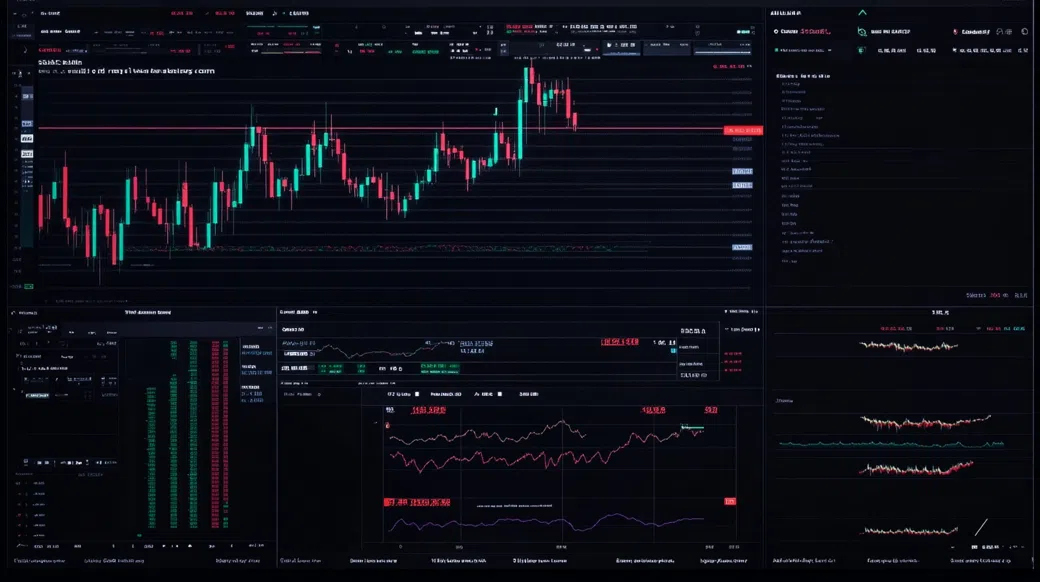
| Min Deposit | $200 |
| Max Leverage | 1:500 |
| Assets | Forex, Indices, Commodities, Crypto CFDs, Share CFDs |
| Platforms | WebTrader (desktop/browser), iOS & Android apps |
Built for traders who want multi-asset CFD access with high leverage, Aurora Capital suits active speculation more than long-term investing—and the price you pay is an offshore oversight model. In my test, the account menu split cleanly into a spread-only Standard and a tighter Pro/Raw-style tier, which matters if you scalp majors around London/NY overlap. Coverage is broad enough for a single screen workflow (FX, indices, metals, crypto CFDs), and the WebTrader is functional without the MT4/MT5 ecosystem being explicitly confirmed. The upside is flexibility and speed; the main drawback is fewer investor-protection backstops than a Tier-1 regulated venue. For the full platform walk-through, I used Aurora Capital.
Aurora Capital appears operational and tradeable rather than a fly-by-night “Aurora Capital scam” setup, but it runs under an offshore framework where protections are thinner. You can trade and withdraw, yet you’re relying more on the broker’s controls than on heavyweight regulators.
The registration I reviewed points to Mauritius FSC oversight, which is common for international CFD providers that offer higher leverage. In practice, that offshore status often buys you flexibility (like 1:500 leverage) while giving up stronger investor compensation mechanisms and more formal complaint channels you’d expect in the UK/EU. On my side, the first trust check was procedural: KYC wasn’t optional—ID plus proof of address were required before I could queue a full withdrawal, and the portal displayed segregated-funds language in the client-area disclosures. I also scanned for the usual red flags: aggressive “account manager” pressure, suspicious trophy-badge marketing, and withdrawal friction. The tone stayed commercial but not predatory, and the cash-out flow worked. Still, remember what you’re trading here: CFDs are leveraged products; margin calls come fast, and most retail accounts lose money.
This broker is mainly geared toward international clients across LATAM, parts of MENA, and selected regions in Asia and Africa; the USA and sanctioned jurisdictions are not accepted.
| Region | Status | Leverage Cap |
|---|---|---|
| Latin America (selected countries) | Accepted | Up to 1:500 |
| MENA (non-sanctioned) | Accepted | Up to 1:500 |
| Southeast Asia (selected countries) | Accepted | Up to 1:500 |
| Africa (selected countries) | Accepted | Up to 1:500 |
| USA | Restricted | Not offered |
| Sanctioned jurisdictions | Restricted | Not offered |
Eligibility isn’t a “set and forget” item: the platform checks residency and identity at KYC, and IP/location signals can trigger additional verification. If your country’s rules tighten, availability can change even for existing clients.
Product design leans toward macro-style CFD trading: currencies and indices first, then commodities and crypto for volatility. If you’re the kind of trader who rotates from US500 to gold when headlines hit, the lineup fits that rhythm.
Everything here is CFD exposure. That means no shareholder voting, no custody of underlying coins, and “dividends” (when applicable) are handled as adjustments rather than true ownership.
Pricing is split into a spread-only Standard account and a Pro/Raw-style option with tight spreads plus a commission. On my ticket blotter, the all-in cost on majors looked broadly in line with offshore CFD peers, with the Raw tier clearly built for higher turnover.
| Asset | Spread/Fee | Market Average Comparison |
|---|---|---|
| EUR/USD (Standard) | From 1.4 pips | Competitive for spread-only accounts |
| EUR/USD (Raw/ECN) | From 0.2 pips + $7 round-turn/lot | In line with common ECN-style pricing |
| Bitcoin (BTC/USD) | From $28 spread (variable) | Typical for crypto CFDs outside Tier-1 venues |
| Gold (XAU/USD) | From $0.30 | Near the segment midpoint |
| US500 Index | From 0.8 points | Generally matches offshore index CFD norms |
Non-spread costs that moved the needle for me: Overnight swap/financing is the silent killer if you hold leveraged CFDs for weeks, and the rates differ by symbol and direction. The provider also applies a $10 monthly inactivity fee after 90 days of no trading, which turns “set it aside” accounts into a slow leak. On withdrawals, I didn’t see a platform-side surcharge on my rail, but banks and card issuers can still clip you with intermediary or FX conversion costs—especially if you fund in one currency and trade in another.
WebTrader is the center of gravity: browser login stayed stable across multiple sessions, with one-click trading available after enabling it in settings. Order tickets covered market, limit, and stop orders, plus SL/TP controls; execution on liquid FX during the NY overlap felt clean, with only mild slippage when I hit a market order right as a US data print widened the spread. If you live inside MT4/MT5 plugins and custom indicators, you’ll notice the gap—this environment is more “built-in toolkit” than open ecosystem.
The Aurora Capital app handled the essentials without drama: real-time quotes, quick position edits, and a one-tap close for risk-off moments. I tested biometric unlock on Android and it reduced friction versus typing credentials every time—useful when volatility is moving. From the same screen, deposits and withdrawals are accessible, and push notifications can be set for price levels; the only annoyance was occasional chart redraw lag on lower-end devices. For anyone searching “Aurora Capital login” on mobile, the sign-in path is straightforward and consistent with the web client.
Indicators were the standard roster—MA, RSI, MACD, Bollinger—plus drawing tools for levels and trendlines. An economic calendar and a news feed are integrated, enough to avoid trading blind into CPI/FOMC. The ceiling shows up when you want advanced depth-of-market or automated strategies; for that, dedicated MT5/cTrader-style stacks still dominate.
First impressions matter, and the registration flow here is lean: email, phone, basic profile, then an AML/KYC checkpoint in the client area. I uploaded a passport photo and a recent bank statement (under three months) and got verification cleared the same business day. The compliance prompts were clear about source-of-funds and residency—no theatrics, just boxes to tick before higher limits and withdrawals.
Deposit confirmation landed instantly on card, with an on-screen receipt and balance update without needing a page refresh. If you prefer to sanity-check the interface before wiring real money, I’d start with a demo and only then move to live sizing on Aurora Capital.
Support quality is easiest to judge with a real problem, so I asked live chat about swap rates on XAU/USD and whether they publish daily financing tables. A human agent picked up in roughly 3 minutes, pointed me to the contract-specs panel, and explained that rates can change with liquidity conditions. I followed up by email requesting written confirmation on withdrawal processing steps after KYC; the reply arrived in about 9 hours with a checklist that matched what the portal later asked for.
Coverage is the typical 24/5 setup, which aligns with FX market hours rather than weekend crypto trading. Language breadth felt region-dependent (English first, with additional options depending on queue availability), and I didn’t see consistent phone support in my region—common for offshore brokers that centralize service desks. Weekends were quieter: you can submit tickets, but real troubleshooting waits for Monday.
If you’re considering this broker, verify your country eligibility, then compare Standard vs. Raw pricing on the instruments you actually trade. I’d also run a small deposit and a first withdrawal early—treat it like a systems test before sizing up.
Visit Aurora CapitalYes, for a certain kind of beginner—someone learning CFDs with small position sizes and strict risk rules. The WebTrader and app are not overloaded with professional-only modules, and the $10,000 demo helps you understand margin and leverage before going live. The offshore setup and 1:500 leverage still demand discipline, because mistakes get amplified fast.
Yes, you can trade crypto CFDs like BTC/USD and ETH/USD. You’re speculating on price movement via CFDs rather than owning coins on-chain, so there’s no wallet transfer or staking. Pay attention to variable spreads and weekend financing if you hold positions through Saturday/Sunday.
No, it didn’t behave like a scam in my checks: KYC was enforced, trading was functional, and withdrawals followed a documented process. The bigger issue is not “fake broker” risk, but the reality of offshore regulation—fewer formal protections and harder escalation if disputes arise. Treat it as a higher-risk venue and manage exposure accordingly.
No, Aurora Capital is not available in the USA. US residents typically face strict CFD restrictions, and this provider flags the USA as Restricted during onboarding. If you try to register with US details, expect the application to be rejected at verification.
Most withdrawals are processed internally within 24–48 hours after KYC is completed. After that, timing depends on the rail: cards commonly take 2–5 business days, bank wires 3–7 business days, and crypto can land the same day. My small test withdrawal followed that pattern without extra back-and-forth.
The Aurora Capital minimum deposit is $200. That amount is enough to open a live account, but it doesn’t mean you should trade large—margin requirements and leverage can still swing your equity quickly. If you’re testing, fund small and focus on execution quality first.
Yes, Aurora Capital offers mobile apps for iOS and Android. You can monitor positions, place orders, and manage deposits/withdrawals from the phone, with biometric login available on supported devices. It’s a practical companion to the WebTrader, especially for alerts and quick risk adjustments.
Overall Score: 4.0/5
Numbers first: spreads on the Standard account start around 1.4 pips on EUR/USD, and the Raw-style tier (0.2 pips + $7 round-turn) is the better fit if you trade volume. The platform did what it promised—clean WebTrader execution, usable mobile workflow, and a withdrawal that followed the stated timeline—so on operations, it clears the bar. Where I stay conservative is the framework: offshore regulation changes the safety calculus, and leverage at 1:500 is a double-edged sword. If you understand CFDs and want flexibility, Aurora Capital is worth a serious look.
Best for: active CFD traders in accepted regions who want Standard/Raw pricing choice and higher leverage. Avoid if: you need Tier-1 regulatory protections, deep research tooling, or you’re prone to over-leveraging.