Barc Valnorbury Trading Platform Alternatives 2026
Barc Valnorbury alternatives for 2026: compare regulated brokers, costs, platforms, and safety checks for FX, CFDs, stocks/ETFs, and crypto exposure.

Barc Valnorbury alternatives for 2026: compare regulated brokers, costs, platforms, and safety checks for FX, CFDs, stocks/ETFs, and crypto exposure.
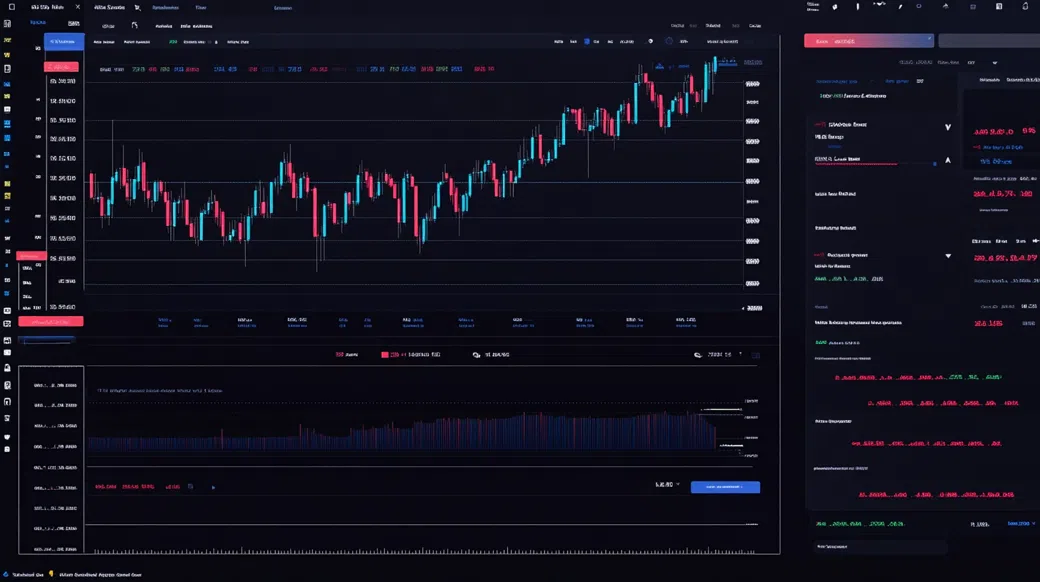
Leverage looks cheap until the spread bill arrives. That’s the first thing I check when someone asks why their P&L feels “sticky” even on good calls. In the offshore CFD segment where Barc Valnorbury typically sits, the headline offer is usually simple: a proprietary WebTrader, a mobile app, and leverage that can reach 1:500. The trade-off is rarely advertised with the same font size—execution quality, dispute resolution, and investor protection tend to be thinner when the entity is outside top-tier supervision.
From what’s commonly observable in this category, Barc Valnorbury operates as a forex/CFD-first venue with a basic-to-mid web platform, iOS/Android access, and a menu built around ~30–50 FX pairs, a handful of indices and commodities, and a short list of crypto CFDs. Minimum deposits in this tier often cluster around $250, while EUR/USD on a standard-style account tends to print around 2.0 pips in normal conditions. That combination can be workable for small, infrequent traders; it is less forgiving for systematic strategies, scalpers, or anyone who values transparent governance.
This guide to Barc Valnorbury alternatives focuses on measurable variables: regulation, cost per round-turn, platform stack (MT4/MT5/cTrader vs. WebTrader), and which firms actually let you own real stocks/ETFs versus trading CFDs. It’s written for a US/EU-leaning audience, with the reality that many offshore brokers restrict the USA and other jurisdictions.
Disclaimer: This article is for informational purposes only and does not constitute investment advice. CFDs and other leveraged products can move quickly against you and may result in losses greater than expected.
On the tape, Barc Valnorbury looks like an offshore-style CFD broker: FX and index CFDs as the core product, with commodities and crypto CFDs as add-ons. The regulatory footprint in this segment is often tied to lighter-touch jurisdictions; in Barc Valnorbury’s case, it’s typically presented as operating under a Seychelles FSA framework rather than a major onshore regulator. That matters because your protections—complaints handling, leverage rules, and compensation—are not the same as under FCA, ASIC, CySEC, or NFA oversight. For traders comparing brokers similar to Barc Valnorbury, the most practical question is not “can I place an order?” but “what happens when something goes wrong?”
The platform stack is usually centered on a proprietary WebTrader with an accompanying mobile app. Expect functional charting but not a deep workstation: common indicators, basic drawing tools, and standard order tickets (market/limit/stop) are typical; advanced order management and analytics can feel thin versus MT5 or a DMA-style platform. Execution is highly dependent on the broker’s dealing setup and liquidity relationships; in offshore CFDs, traders often notice more slippage during news or thin liquidity sessions. Mobile parity is generally decent for monitoring and closing risk, while the account dashboard tends to focus on deposits/withdrawals and open-position oversight rather than institutional-grade reporting.
Costs are where many competitors to Barc Valnorbury separate quickly. A standard-style account in this bracket often shows EUR/USD around 2.0 pips in ordinary conditions, with wider prints during volatility. Some brokers in the same tier advertise a “raw” option (0.0–0.4 pips) paired with a commission—typically about $6 round-turn per standard lot—but the fine print on eligibility and execution matters. Swaps/overnight financing are part of the package on leveraged CFDs, and they can dominate the economics of multi-day positions. Also watch for non-trading charges such as inactivity or withdrawal fees, which can turn a “low deposit” account into an expensive relationship.
Spreads and governance usually break the tie. When the typical EUR/USD cost sits around 2.0 pips and the leverage is as high as 1:500, the math punishes frequent turnover—especially for short-horizon strategies where a pip is the unit of survival. Add an offshore rulebook and you get a predictable pattern: traders start screening Barc Valnorbury alternatives when they want tighter pricing, stronger dispute resolution, or a platform ecosystem that supports systematic execution. None of this guarantees better outcomes—CFDs remain leveraged—but it improves the “rules of the game” around your account.
I frame broker selection like position sizing: you’re allocating trust, not just margin. The right choice depends on your instruments (FX vs. equities), your holding period (intraday vs. swing), and your failure tolerance (what you can afford to lose if the service breaks). For alternatives to the Barc Valnorbury trading platform, treat regulation, execution model, and total cost as the three legs of the stool—remove one, and the whole thing wobbles.
Start with the supervisor and the client-money rules. FCA-regulated firms can fall under the FSCS compensation scheme (up to £85,000 for eligible clients) and must follow strict segregation standards; CySEC firms may be covered by the ICF (up to €20,000, eligibility-dependent). ASIC oversight also enforces robust conduct and disclosure frameworks. These structures don’t eliminate risk, but they change the probability distribution of worst-case outcomes compared with offshore-only providers.
Match the broker to what you actually trade. FX and index CFDs can be enough for macro traders, but equity investors often need real stocks/ETFs with proper custody and corporate action handling—dividends, voting rights, and tax reporting. If you trade options or futures, you’ll gravitate to platforms with listed-derivatives access and clearer margin methodology. For platforms like Barc Valnorbury, the menu is usually CFD-heavy; regulated multi-asset firms close that gap.
Compare in round-turn terms. A “tight spread” account with a commission can still be cheaper than a wider all-in spread—especially for active traders. Don’t ignore swaps/overnight fees: holding leveraged CFDs for weeks can turn a correct directional view into a negative carry trade. Lastly, scan for inactivity and withdrawal charges; these are easy to miss and hard to negotiate after you’re funded.
Platform choice is strategy choice. MT4/MT5 and cTrader matter if you depend on automated execution, custom indicators, or fast order management. Execution model is the other half: market maker pricing can be fine for small flow, while STP/ECN/DMA setups are often preferred for transparency and reduced re-quotes (though slippage still exists). If you’re leaving Barc Valnorbury, test the new venue during the same market windows you trade—London open behaves differently than late New York.
Support quality shows up when you’re stressed: margin calls, platform outages, or withdrawal questions. Look for clear service hours, multilingual coverage, and written policies you can screenshot. Education matters less for pros, more for new traders—yet even veterans benefit from platform guides and margin documentation. Mobile parity is non-negotiable if you manage risk on the move; you don’t want “desktop-only” controls when volatility spikes.
For FX/CFDs, the spread-to-leverage relationship is the real headline. A typical ~2.0 pip EUR/USD spread on a standard-style account means you’re paying meaningful friction every time you enter and exit—fine for occasional trades, brutal for high turnover. Offshore brokers also tend to be opaque about execution routing; if the venue internalizes flow (market maker), you’ll want to watch slippage around data releases. Regulated options vs. Barc Valnorbury often offer cleaner tooling and pricing: Pepperstone and IC Markets are widely used by traders who care about MT4/MT5/cTrader availability and “raw + commission” structures that can reduce all-in costs for active strategies. The constraint is eligibility—US residents face a different regulatory map and may need a CFTC/NFA-regulated path.
If your plan includes building a long-term portfolio, the key distinction is ownership. In offshore CFD-first setups, “stocks” are frequently equity CFDs: you track the price, but you don’t own the shares, and corporate actions can be handled differently than at a custodied brokerage. That’s where many Barc Valnorbury alternatives earn their keep. Interactive Brokers is the obvious pro-grade bridge because it offers real stocks/ETFs plus listed options and futures, with robust reporting and global market access. Saxo Bank also targets multi-asset investors who want a polished platform and broad instrument coverage. For this asset class, the decision is less about leverage and more about custody, tax documents, and whether you can trade the underlying venue (DMA) instead of a derivative wrapper.
Crypto exposure is another area where labels confuse people. When an offshore broker offers “crypto,” it’s commonly crypto CFDs—price exposure without on-chain ownership, no wallet withdrawals, and financing costs that can be material if you hold positions overnight. That can be acceptable for short-term hedging, but it’s not the same as buying spot crypto. Among regulated alternatives to the Barc Valnorbury trading platform, IG and Plus500 are known for offering crypto CFDs in eligible regions, wrapped inside a more controlled regulatory perimeter (region rules apply, and offerings differ by country). If your goal is investment-grade custody or self-custody, you’re really talking about a crypto exchange, not a CFD broker—different risk set, different due diligence.
Regulation: SEC/FINRA (US), FCA (UK), IIROC (Canada) (entity depends on residence)
Markets: Stocks, ETFs, options, futures, bonds, FX
Fees: FX spreads typically low with commission-based pricing; equities/ETFs priced via commissions or tiered schedules (varies by market)
Platform: Trader Workstation (TWS), IBKR Mobile, Client Portal API tools
Best For: Cross-asset traders who want real market access
Regulation: FCA, ASIC, CySEC, DFSA
Markets: FX, CFDs (indices, commodities, some crypto CFDs in eligible regions)
Fees: Standard spreads often ~1.0+ pip on EUR/USD; Raw-style pricing can run ~0.0–0.3 pips plus commission (about $7 round-turn per lot, depending on platform/account)
Platform: MT4, MT5, cTrader, TradingView integration (region/account dependent)
Best For: Algorithmic FX traders needing MT4/MT5 or cTrader
Regulation: FCA, MAS, DFSA
Markets: Stocks, ETFs, bonds, options, futures, FX, CFDs
Fees: Pricing varies by tier; FX spreads often competitive on major pairs, with clearer commission/markup disclosure than offshore venues
Platform: SaxoTraderGO, SaxoTraderPRO
Best For: Portfolio-style investors who still trade tactically
Regulation: CFTC/NFA (US), FCA (UK), ASIC (Australia), IIROC (Canada)
Markets: FX (and CFDs in eligible regions, depending on entity)
Fees: Typically spread-based pricing; EUR/USD often around ~1.0+ pip depending on conditions and account type
Platform: OANDA web/mobile, MT4 (availability depends on region)
Best For: US-based FX traders prioritizing a top regulator
Regulation: FCA, ASIC, MAS
Markets: CFDs (indices, FX, shares), spread betting (UK/IE), crypto CFDs in eligible regions
Fees: Primarily spread-based; majors often competitive, with costs varying by instrument and volatility
Platform: IG Trading Platform, MT4 (region dependent)
Best For: Macro CFD traders who value deep index coverage
Regulation: ASIC, CySEC (group also operates an FSA Seychelles entity for some regions)
Markets: FX, CFDs (indices, commodities, some crypto CFDs in eligible regions)
Fees: Raw accounts often ~0.0–0.2 pip EUR/USD plus commission (commonly ~$6–$7 round-turn per lot); Standard accounts typically wider
Platform: MT4, MT5, cTrader
Best For: High-frequency FX execution with raw pricing
| Platform | Regulation | Main Markets | Typical Costs | Best For |
|---|---|---|---|---|
| Interactive Brokers (IBKR) | SEC/FINRA, FCA, IIROC | Real stocks/ETFs, options, futures, FX, bonds | Commission-based; FX typically low-spread with commissions | Cross-asset traders who want real market access |
| Pepperstone | FCA, ASIC, CySEC, DFSA | FX + CFDs | Raw ~0.0–0.3 pip + ~$7 RT; Standard ~1.0+ pip | Algorithmic FX traders needing MT4/MT5 or cTrader |
| Saxo Bank | FCA, MAS, DFSA | Multi-asset: stocks/ETFs, options/futures, FX, CFDs | Tiered pricing; competitive majors with transparent schedules | Portfolio-style investors who still trade tactically |
| OANDA | CFTC/NFA, FCA, ASIC, IIROC | FX (plus CFDs outside the US depending on entity) | Spread-based; EUR/USD often ~1.0+ pip | US-based FX traders prioritizing a top regulator |
| IG | FCA, ASIC, MAS | CFDs on FX/indices/shares; crypto CFDs (eligible regions) | Mostly spread-based; varies by market volatility | Macro CFD traders who value deep index coverage |
| IC Markets | ASIC, CySEC | FX + CFDs | Raw ~0.0–0.2 pip + ~$6–$7 RT; Standard wider | High-frequency FX execution with raw pricing |
Switching brokers is operational risk, not just a new login. Treat it like moving a trading book: confirm the new venue’s legal status, control your cash movements, and keep records clean for taxes and disputes. Most importantly, reduce leverage while you transition—platform differences and execution quirks can turn a small test trade into an outsized loss.
If you’re benchmarking platforms, review the current onboarding steps, product list, and account conditions side by side with the regulated options above. Eligibility changes by country, and the fine print on leverage, swaps, and withdrawals is where the real differences show up.
Visit Barc ValnorburyThe best alternative depends on whether you need real multi-asset access or mainly FX/CFDs. For real stocks/ETFs plus derivatives, Interactive Brokers is hard to beat on breadth; for FX execution with MT4/MT5/cTrader, Pepperstone or IC Markets are common picks. For a balanced, polished multi-asset experience, Saxo Bank is a strong contender. In practice, the “best Barc Valnorbury alternatives 2026” list is the one that matches your instruments, region, and turnover.
Barc Valnorbury is typically associated with an offshore framework (often Seychelles FSA in this category), which is not the same safety net as FCA/ASIC/CySEC/NFA supervision. That doesn’t automatically mean a platform is fraudulent, but it does mean fewer standardized protections like compensation schemes and onshore dispute pathways. If you trade leveraged CFDs at high leverage (up to 1:500 is common in this tier), the account-risk profile can deteriorate fast during volatility.
Barc Valnorbury is usually positioned around forex and CFDs, with crypto often offered as crypto CFDs rather than on-chain ownership. Stocks and ETFs, when present, are frequently provided as CFDs, which means no share ownership and different handling of corporate actions. Listed futures are more commonly available at multi-asset brokers like Interactive Brokers or Saxo than at offshore CFD-first platforms. For “Barc Valnorbury trading platform alternatives 2026,” check whether you’re getting the underlying asset or a derivative wrapper.
Before switching, verify the new broker’s legal entity on the regulator’s register and confirm client-money segregation rules and negative balance protection where applicable. Next, compare total trading cost (spread + commission + swaps) for your typical volume, because this is where Barc Valnorbury alternatives often differ most in real dollars. Finally, test execution and platform workflow with small size—slippage, margin calls, and order handling can vary materially across brokers.
About the Author: Carlos Mendes is a former equity desk analyst from São Paulo who now covers emerging-market brokerages and Latin American fintech from a trader’s perspective. He focuses on the numbers—execution, costs, and regulatory structure—because those variables decide outcomes long before the narrative does.