Bella Segurenza Trading Platform Alternatives 2026
Compare Bella Segurenza alternatives for 2026: regulated brokers, platform stacks, spreads, execution quality, and safety steps for US/EU-focused traders.

Compare Bella Segurenza alternatives for 2026: regulated brokers, platform stacks, spreads, execution quality, and safety steps for US/EU-focused traders.
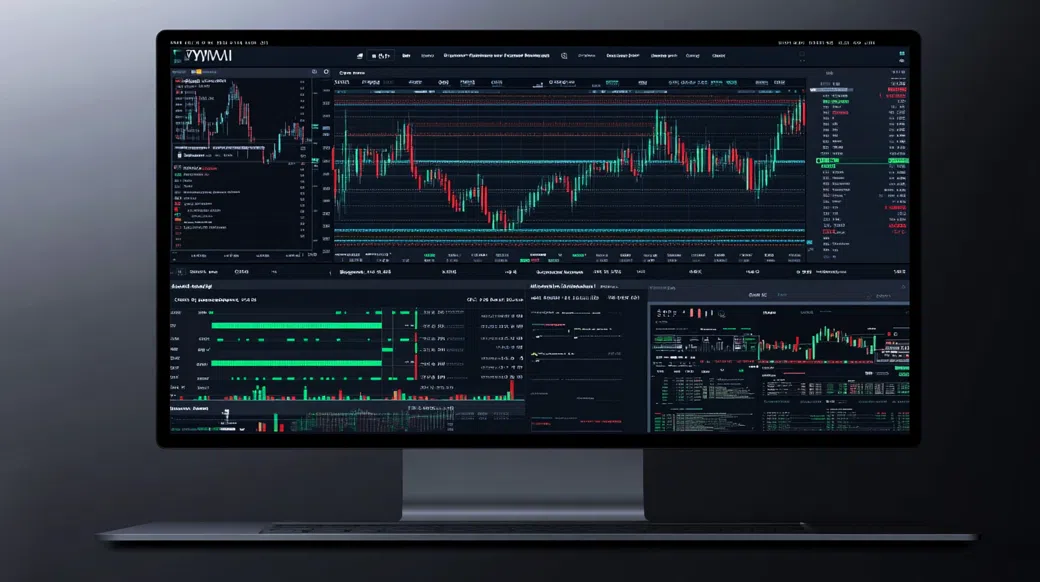
Leverage can feel like a shortcut—right until a margin call turns your P&L into a lesson. That’s the practical backdrop for anyone searching for Bella Segurenza alternatives in 2026. The brand is commonly positioned as a CFD-first venue: forex pairs, major indices, a handful of commodities, and crypto exposure via CFDs. In this offshore segment, the public footprint tends to be lighter: a proprietary WebTrader, a mobile app, and account terms that highlight high maximum leverage (often around 1:500) rather than deep market access. On costs, the usual pattern is a “spread-only” headline on a Standard tier—think roughly ~2.0 pips on EUR/USD—with an upsell path toward a tighter-spread account that charges commission.
For US and EU traders, the decision isn’t philosophical; it’s operational. Regulation affects where client funds sit, what happens in a dispute, and whether any investor-compensation scheme exists at all. Execution model matters too: when you’re trading a fast market, slippage and rejected orders cost more than a glossy dashboard. And if your strategy requires MT4/MT5, cTrader, or direct market access for equities, a basic WebTrader can become the bottleneck.
This guide lays out safer, regulated substitutes—and the due-diligence steps—so you can compare platforms like Bella Segurenza with options that publish clearer protections, tooling, and market access.
Disclaimer: This article is for informational purposes only and does not constitute investment advice. CFDs and other leveraged products carry a high risk of loss and are not suitable for all investors.
On the tape, Bella Segurenza generally reads like an offshore CFD brokerage aimed at retail traders who want simple access to FX and index CFDs with high leverage. The product mix typically centers on 30–50 forex pairs, 8–15 indices, 5–10 commodities, and 10–30 crypto CFDs, with the U.S. usually off-limits due to regulatory restrictions. Publicly, providers in this bucket often operate under a lighter-touch jurisdiction; for this guide, it’s most consistent to treat Bella Segurenza as operating under an offshore framework such as the Seychelles FSA rather than a top-tier EU/UK/US regulator. That matters because “segregated funds,” dispute resolution, and negative balance protection can vary sharply across competitors to Bella Segurenza.
The core experience is usually a proprietary WebTrader with a companion iOS/Android app. Charting is typically serviceable—multiple timeframes, a standard set of indicators, and basic drawing tools—but not built for deep workflow customization. Order entry tends to cover the retail essentials (market, limit, stop) with simple risk controls, while advanced routing features like depth-of-market, custom scripting, or robust strategy testing are less common in this stack. Mobile parity is often decent for monitoring and single-ticket execution, yet heavier research, multi-chart layouts, and alert logic can feel constrained compared with MT4/MT5 or cTrader environments.
Cost structure is usually presented as tiered accounts: a spread-only Standard layer (EUR/USD often around ~2.0 pips) and a tighter-spread option that adds commission (commonly $5–$8 round-turn) with raw pricing that can print near zero in calm conditions. Beyond spreads, traders should watch the small print: swap/overnight financing can dominate P&L for multi-day CFD holds, and withdrawal/inactivity charges may apply depending on the funding method and account status. This is where platforms like Bella Segurenza can look inexpensive on the homepage and more expensive in real trade logs.
Spreads are the first red flag I see in account statements—not because 2.0 pips is “bad,” but because it compounds fast. A scalper doing 200 round-turn EUR/USD trades a month pays the spread like rent, and that rent is non-negotiable. Add an offshore framework and limited platform tooling, and the case for Bella Segurenza alternatives becomes a risk-budget decision: you’re deciding how much uncertainty you can tolerate in execution, funding, and dispute handling.
Think like a desk risk manager for five minutes: you’re not “switching apps,” you’re changing your counterparty. The clean approach is to map your strategy (time horizon, instruments, automation) to a broker’s protections, execution model, and fee schedule, then test with small size. That method produces a shortlist of regulated options vs Bella Segurenza that can be defended with numbers, not vibes.
For UK/EU readers, the big distinction is whether the broker sits under frameworks such as FCA or CySEC versus offshore oversight. FCA-regulated firms typically fall under the FSCS (up to £85,000 in eligible cases), while CySEC investment firms may be covered by the ICF (up to €20,000). Look for segregated client funds language, negative balance protection (where applicable), and a regulator register entry you can verify directly—marketing badges don’t settle disputes.
Your instrument list should drive broker choice, not the other way around. FX/CFD specialists are fine for majors, gold, and index exposure, but they don’t always solve the “I want to buy an ETF and hold it” requirement. If you need stocks, ETFs, options, or futures, prioritize multi-asset shops that offer those markets directly. For traders comparing alternatives to the Bella Segurenza trading platform, this is often the make-or-break gap: CFD access is not the same thing as owning an asset.
Costs come in layers: spread (paid every entry/exit), commission (often on Raw accounts), and “slow” fees like swap/overnight financing, inactivity charges, and withdrawal costs. For apples-to-apples, convert everything into a round-turn estimate per standard lot and include realistic slippage for your time-of-day and volatility regime. Brokers similar to Bella Segurenza can look cheap at low frequency and become punitive when turnover rises.
Platform choice isn’t a cosmetic preference; it changes what you can measure and control. MT4/MT5 and cTrader support automation, advanced order handling, and broader third-party tooling. Execution model also matters: market maker vs STP/ECN vs DMA affects spreads, potential conflicts, and how slippage behaves in fast markets. If you’re moving away from Bella Segurenza, insist on clear language about execution policy, order rejection rules, and latency sensitivity.
Support quality shows up when something breaks—withdrawals, platform outages, corporate actions, or a margin dispute. Check service hours in your time zone, the availability of phone/chat, and whether support can explain execution and fees without scripts. Education matters less than most ads suggest, but platform documentation, margin rules, and fee transparency matter a lot. Mobile parity is also real: if you manage risk from your phone, the app must handle stops, partial closes, and alerts without friction.
FX and CFDs are where Bella Segurenza is most likely to be “complete”: majors/minors, key indices, gold/oil, and a moderate crypto CFD list. The trade-off is usually pricing and execution clarity. A typical ~2.0 pip EUR/USD spread on a Standard tier can be workable for swing trades, but it’s mathematically hostile for high-turnover strategies. In regulated land, FX/CFD specialists like Pepperstone and OANDA tend to publish tighter effective pricing options (Raw/commission accounts or transparent spread schedules) and offer mature platforms (MT4/MT5/cTrader or strong proprietary stacks). If your edge is a few pips, the broker’s spread, slippage, and margin policy are part of your strategy—whether you admit it or not.
Here’s the common mismatch: traders say “I trade stocks,” but what they actually have is an equity CFD. That means no shareholder rights, different financing costs, and often different trading hours/liquidity behavior than the underlying exchange. Many offshore CFD venues offer stocks only in derivative form, if at all. Multi-asset brokers like Interactive Brokers (IBKR) and Saxo Bank are built for the real thing: exchange access, broader order types, and a custody-style setup for long-term portfolios alongside tactical trading. For anyone building a core US/EU portfolio—ETFs, dividend names, factor tilts—top substitutes for Bella Segurenza in this category are the platforms that let you hold securities directly, not just price exposure.
Crypto exposure at CFD brokers is typically price-only: you’re trading a contract, not moving coins on-chain, and you can’t withdraw to a wallet. That can be fine for short-term directional trades, but it’s a different product with different risks—especially around weekend gaps, funding costs, and liquidity spikes. In regulated CFD environments, brokers such as IG or Plus500 commonly provide crypto CFDs (where permitted) with clearer risk disclosures, standardized KYC/AML controls, and more explicit client-protection language than offshore venues. If your goal is long-term crypto ownership, a broker account may not be the right wrapper; if your goal is tactical trading, prioritize transparent overnight costs and robust margin rules.
Regulation: SEC/FINRA (US), FCA (UK), IIROC (Canada)
Markets: Stocks, ETFs, options, futures, bonds, FX (spot), funds
Fees: Varies by market; FX spreads often competitive (commonly from ~0.2–0.6 pips equivalent), plus commissions in some schedules
Platform: Trader Workstation (TWS), IBKR Desktop, web, mobile, API
Best For: Portfolio + derivatives traders who want one account for global markets
Regulation: FCA (UK), ASIC (Australia), CySEC (EU), DFSA (Dubai)
Markets: FX, index CFDs, commodity CFDs, some crypto CFDs (jurisdiction-dependent)
Fees: Standard spreads often ~1.0+ pip on EUR/USD; Raw accounts commonly ~0.0–0.3 pips + ~$6–$7 round-turn commission
Platform: MT4, MT5, cTrader, TradingView integrations (where offered)
Best For: Systematic FX traders optimizing for tight all-in trading costs
Regulation: FCA (UK), MAS (Singapore), DFSA (Dubai)
Markets: Stocks, ETFs, bonds, options, futures, FX, CFDs
Fees: Multi-asset pricing; FX spreads typically from ~0.6 pips on major pairs depending on tier, plus commissions on many exchange-traded products
Platform: SaxoTraderGO, SaxoTraderPRO
Best For: Multi-asset investors who value research tools and platform depth
Regulation: CFTC/NFA (US), FCA (UK), ASIC (Australia), IIROC (Canada)
Markets: FX (spot), CFDs (outside the US, where permitted)
Fees: Spreads typically from ~0.6–1.2 pips on EUR/USD on spread-only models; financing costs apply for holds
Platform: OANDA web/mobile, MT4 (availability varies by region)
Best For: Risk-first FX traders who want strong regulatory coverage
Regulation: FCA (UK), ASIC (Australia), BaFin (Germany)
Markets: CFDs across FX, indices, commodities, shares (CFDs)
Fees: FX spreads often from ~0.7 pips on majors; share CFD commissions may apply; overnight financing on CFD holds
Platform: Next Generation platform, mobile app; MT4 (in some regions)
Best For: Active CFD traders who want robust charting and wide instrument coverage
Regulation: FCA (UK), CySEC (EU), ASIC (Australia)
Markets: Stocks (real), ETFs (real), CFDs (FX/indices/commodities), crypto (offering varies by country)
Fees: Typically spread-based for CFDs/FX; non-trading fees may apply (e.g., withdrawals/inactivity depending on region)
Platform: eToro web and mobile platform
Best For: Social-first traders combining long-only holdings with selective CFD exposure
| Platform | Regulation | Main Markets | Typical Costs | Best For |
|---|---|---|---|---|
| Interactive Brokers (IBKR) | SEC/FINRA, FCA, IIROC | Real stocks/ETFs, options, futures, bonds, FX | Market-dependent; FX often ~0.2–0.6 pip equiv + commissions | Portfolio + derivatives traders who want one account for global markets |
| Pepperstone | FCA, ASIC, CySEC, DFSA | FX + major CFD suite | Raw ~0.0–0.3 pips + ~$6–$7 RT; Standard ~1.0+ pip | Systematic FX traders optimizing for tight all-in trading costs |
| Saxo Bank | FCA, MAS, DFSA | Multi-asset: stocks/ETFs, options/futures, FX, CFDs | FX often ~0.6+ pips by tier; commissions on many exchange products | Multi-asset investors who value research tools and platform depth |
| OANDA | CFTC/NFA, FCA, ASIC, IIROC | FX (US); FX/CFDs elsewhere where permitted | Often ~0.6–1.2 pips EUR/USD spread-only; financing on holds | Risk-first FX traders who want strong regulatory coverage |
| CMC Markets | FCA, ASIC, BaFin | CFDs: FX/indices/commodities/share CFDs | FX often ~0.7+ pips; CFD financing + share CFD commissions | Active CFD traders who want robust charting and wide instrument coverage |
| eToro | FCA, CySEC, ASIC | Real stocks/ETFs + CFDs; crypto offering varies | Primarily spread-based; watch withdrawal/inactivity schedules | Social-first traders combining long-only holdings with selective CFD exposure |
Migration is a control problem: reduce operational risk while you change counterparties. Start by validating the new broker’s legal wrapper, then stage funding and strategy testing before you move meaningful size. Remember: leveraged products amplify mistakes as efficiently as they amplify winners, so treat every step as if the market will gap against you mid-transfer. If you’re exiting Bella Segurenza, plan for settlement times and AML checks rather than improvising.
If you’re still evaluating the current offering, check the onboarding flow, instrument list, and fee schedule for your region before committing capital. Then compare it side-by-side with the regulated options above—especially platform stack, execution policy, and withdrawal terms.
Visit Bella SegurenzaThe best choice depends on whether you need real multi-asset access or mainly FX/CFDs. For real stocks/ETFs plus derivatives, Interactive Brokers and Saxo Bank are hard to beat on breadth and market access. For FX-first execution and MT4/MT5/cTrader workflows, Pepperstone and OANDA are common picks among traders comparing the best Bella Segurenza alternatives 2026.
Bella Segurenza is best treated as operating under an offshore framework (commonly presented in this segment as Seychelles FSA), which typically provides fewer investor-protection layers than FCA/CySEC/NFA regimes. That doesn’t automatically mean fraud, but it does mean weaker recourse, fewer formal safeguards, and more reliance on the firm’s internal processes. If safety is your priority, focus on regulated options vs Bella Segurenza and verify the exact legal entity on the regulator’s register.
With brokers in this category, stocks/ETFs are often offered as CFDs (or not offered), while crypto exposure is typically via crypto CFDs rather than on-chain ownership. Futures access is usually limited compared with multi-asset brokers that connect to exchanges. If you want real stocks/ETFs or listed futures, alternatives to the Bella Segurenza trading platform like IBKR or Saxo are better aligned with that requirement.
Before switching, verify regulation on the official register, then read the execution policy and fee schedule (spread/commission, swaps, withdrawals, and inactivity). Next, confirm whether you’re getting real assets or CFDs, and whether negative balance protection applies in your jurisdiction. Finally, migrate in stages: KYC the new account first, test with small size, and only then move the bulk of your capital—this is the safest workflow when evaluating Bella Segurenza trading platform alternatives 2026.