Biegła Fundenza Trading Platform Alternatives 2026
Compare Biegła Fundenza alternatives for 2026: regulated brokers, costs, platforms, and safety checks. US/EU-focused guide for risk-aware traders.

Compare Biegła Fundenza alternatives for 2026: regulated brokers, costs, platforms, and safety checks. US/EU-focused guide for risk-aware traders.
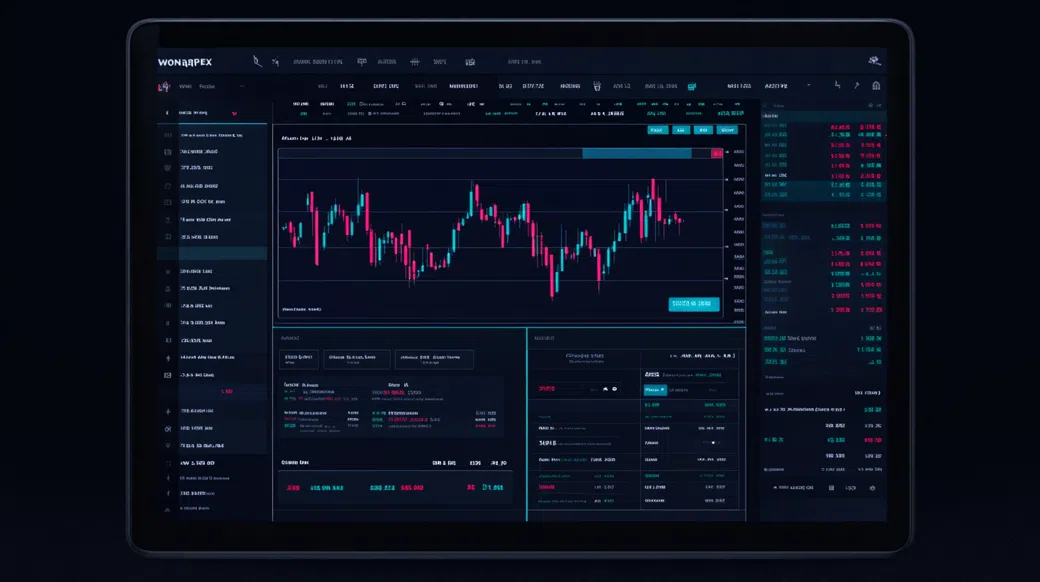
Leverage can feel like a shortcut—until a 20–30 pip move hits during low liquidity and the margin math stops being academic. That’s the backdrop for this guide on Biegła Fundenza trading platform alternatives 2026. Based on what’s typically observable in offshore CFD-first setups, Biegła Fundenza appears to operate under a Seychelles FSA framework (not a Tier‑1 regime), with a proprietary WebTrader plus mobile apps, a minimum deposit that usually lands around $250, and leverage that can run up to 1:500. That cocktail is designed for speed of onboarding, not necessarily depth of market access.
For a US/EU trader, the real question isn’t “Can I place a trade?” It’s “What happens when execution quality, withdrawals, or dispute resolution matter?” Tier‑1 regulators (FCA, ASIC, CySEC, NFA) force clearer rules around segregated client funds, marketing, and complaints handling. They also shape product design—negative balance protection in parts of the EU, tighter leverage caps, and stricter KYC/AML checks.
This article maps credible Biegła Fundenza alternatives to the way you actually trade: scalping vs swing, CFD-only vs real stocks/ETFs, discretionary vs automated. I’m going to lean on numbers—spread, commission, and the all‑in round‑turn cost—because that’s where “cheap” platforms quietly get expensive.
Disclaimer: This content is for informational purposes only and does not constitute investment advice. CFDs and other leveraged products carry a high risk of loss and may not be suitable for all investors.
From a market-structure angle, Biegła Fundenza looks like a CFD broker built around a proprietary platform rather than a true multi‑asset venue. The common footprint for brokers similar to Biegła Fundenza is: forex and index/commodity CFDs as the base menu, crypto CFDs as an add‑on, and equities either absent or offered as CFDs (no share ownership). Operationally, these venues often function as market makers or hybrid models—fine for many retail flows, but the execution model and conflict‑management rules are less transparent than what you’d expect from FCA/ASIC/CySEC shops. US clients are typically restricted, and other sanctioned jurisdictions are generally blocked due to AML requirements.
The WebTrader experience is usually the selling point: browser-first access, quick watchlists, and a clean order ticket. Charting tends to be serviceable rather than deep—enough indicators and drawing tools for basic technical work, but not the full ecosystem you get with MT4/MT5 or cTrader add‑ons. Order types typically cover market, limit, stop, and stop‑loss/take‑profit attachments; advanced conditional orders and robust depth-of-market views are less consistent in this category. Mobile parity is often decent for monitoring and closing risk, but serious workflow (multi-chart layouts, templates, rapid hotkeys) is still more comfortable on desktop.
Cost is where offshore CFD platforms can look competitive on the surface and still run expensive at scale. A typical Standard-style EUR/USD spread in this segment is around 2.0 pips. If a “Raw/ECN” tier exists, it’s commonly framed as 0.0–0.4 pips plus roughly $6–$8 round-turn commission per standard lot, which is the metric that actually matters. Add swap/overnight financing for positions held past rollover, and you have a cost line item that can overwhelm a swing strategy. Also watch for withdrawal charges or inactivity fees; they don’t show up in a spread comparison, but they hit cash management directly—especially for smaller accounts.
Costs and control usually trigger the search—more than the homepage promises. Once you’ve put real volume through a platform, you notice whether fills slip during news, whether stop execution is clean, and whether the “all‑in” trading bill matches your expectations. That’s when Biegła Fundenza alternatives get practical: a tighter execution stack, better-defined investor protection, or simply broader markets beyond CFD wrappers. Remember: higher leverage (like 1:500) is not a benefit by itself; it’s an accelerant, and it punishes sizing mistakes.
Think of the decision as matching your strategy to a broker’s plumbing. The cleanest workflow is to write down what you trade (instruments), how you trade (holding time, frequency), and what breaks you (max drawdown, worst-case slippage). Then rank alternatives to the Biegła Fundenza trading platform by risk controls first, cost second, and convenience last—because convenience doesn’t reimburse losses.
Start with the regulator, not the app. FCA, ASIC, CySEC, and NFA/CFTC impose capital rules, marketing limits, and client‑money handling standards that offshore frameworks rarely match. In the UK, FCA-covered firms can fall under FSCS protection (up to £85,000, eligibility depends on circumstances). In Cyprus, the ICF can cover up to €20,000 for eligible clients. Segregated client funds and negative balance protection (common under EU/UK retail rules) matter more than “VIP account” labels.
Instrument choice is a strategy constraint. If you only trade EUR/USD and US30 CFD, a strong FX/CFD specialist can be enough. If you want long-term equity exposure, dividends, or options hedges, you need a broker built for real stocks/ETFs and listed derivatives—something closer to Interactive Brokers or Saxo Bank. Competitors to Biegła Fundenza vary widely here: some are CFD-first with thousands of symbols, others are true multi‑asset venues with futures, bonds, and options.
Compare on round-turn cost. A 2.0 pip EUR/USD spread on a Standard account is roughly $20 per standard lot, per round trip; on active months, that compounds fast. Raw accounts may quote near-zero spreads, but the commission (e.g., about $6–$8 round-turn) is the real anchor. Add swaps/overnight fees for multi-day holds, and don’t ignore inactivity or withdrawal fees. Top substitutes for Biegła Fundenza should make these line items visible, not buried.
Platform is workflow; execution model is P&L. MT4/MT5 and cTrader support EAs, custom scripting, and a broader tool ecosystem than many WebTraders. Execution can be market maker, STP, ECN, or DMA—labels differ, but the practical test is how orders behave under stress: spreads widening, requotes, partial fills, and slippage. If you trade around data releases, latency and liquidity access matter more than an extra 200x leverage headline.
Support is part of risk control when things go wrong. Look for 24/5 coverage, multilingual desks (important for EU cross-border clients), and documented response channels. Education should be specific—margin call mechanics, swap schedules, order types—not generic motivation content. Mobile apps should mirror core risk functions (position sizing, stop edits, alerts) so you can reduce exposure quickly if volatility spikes.
Forex and CFDs are where offshore brokers usually concentrate their offering: roughly a few dozen FX pairs, a handful of commodities, and a small set of indices. The trade-off is visible in the cost-and-execution combo. With EUR/USD often around 2.0 pips on a standard-style setup, a high-frequency trader pays a meaningful “tax” per round trip before slippage even shows up. Regulated options vs Biegła Fundenza—like Pepperstone or OANDA—tend to publish clearer pricing structures, offer tighter spreads on active tiers, and provide platform stacks (MT4/MT5/cTrader or strong proprietary tools) that support systematic workflows. If your edge is thin (and most retail edges are), shaving 0.8–1.2 pips can be the difference between a flat month and a losing one.
This is the gap that catches CFD-only traders later. If a platform’s equity exposure is primarily “stock CFDs,” you’re trading a derivative: no shareholder rights, financing costs can apply, and long holds can get expensive. For traders who want actual ownership—cash equities, ETFs, and access to options or futures for hedging—Interactive Brokers is the obvious benchmark, and Saxo Bank is a strong alternative with a polished multi‑asset setup. Those venues are built for listed markets: DMA where applicable, corporate actions handling, and a product catalogue that goes beyond synthetic pricing. For Biegła Fundenza alternatives, the key decision is whether you’re speculating short-term (CFDs can work) or building longer-term exposure (real assets win).
In many CFD-first menus, “crypto trading” means crypto CFDs: you track price moves without on-chain ownership, wallets, or transfer rights. That can be useful for hedging or short-term directional trades, but it’s not the same as holding BTC/ETH in a self-custody wallet. For EU/UK clients who want regulated crypto CFDs within a broader risk framework, IG and Plus500 are common choices depending on jurisdiction and eligibility; they’re structured around regulated entities and standardized disclosures. If your objective is long-only accumulation, you’d normally look outside CFD brokers entirely—because counterparty risk and financing mechanics become the dominant variables.
Regulation: SEC/FINRA (US), FCA (UK), IIROC (Canada)
Markets: Stocks, ETFs, options, futures, bonds, FX
Fees: FX pricing varies by venue/size; equity commissions are generally low but depend on region and plan; financing applies on margin
Platform: Trader Workstation (TWS), IBKR Desktop/Mobile, Client Portal
Best For: Multi-asset investors needing real market access
Regulation: FCA (UK), ASIC (Australia), CySEC (Cyprus), DFSA (Dubai)
Markets: FX, CFDs (indices, commodities, some crypto CFDs depending on entity)
Fees: Standard spreads often around ~1.0–1.2 pips on EUR/USD; Raw accounts commonly ~0.0–0.3 pips plus commission (~$6–$8 round-turn)
Platform: MT4, MT5, cTrader, TradingView (availability varies)
Best For: Algorithmic and scalping FX traders
Regulation: FCA (UK), ASIC (Australia), MAS (Singapore)
Markets: CFDs (FX, indices, commodities, shares), spread betting (UK), some crypto CFDs where permitted
Fees: FX spreads often from ~0.6–1.0 pip on EUR/USD (market conditions apply); other markets priced via spread and/or financing
Platform: IG Web platform, IG Mobile, MT4 (region-dependent)
Best For: Macro CFD traders wanting broad indices coverage
Regulation: FCA (UK), MAS (Singapore), DFSA (Dubai)
Markets: Stocks, ETFs, bonds, FX, options, futures, CFDs
Fees: FX spreads commonly competitive (often ~0.8+ pip on EUR/USD depending on tier); commissions apply on stocks/options/futures by market
Platform: SaxoTraderGO, SaxoTraderPRO
Best For: Professionals balancing FX with listed products
Regulation: CFTC/NFA (US), FCA (UK), ASIC (Australia), IIROC (Canada)
Markets: FX, CFDs (availability varies by region)
Fees: Typically spread-based pricing; EUR/USD often around ~0.9–1.5 pips depending on account/region and market conditions
Platform: OANDA Web/Mobile, MT4
Best For: US-eligible FX traders prioritizing oversight
Regulation: FCA (UK), CySEC (Cyprus), ASIC (Australia), MAS (Singapore)
Markets: CFDs (FX, indices, commodities, shares, some crypto CFDs depending on jurisdiction)
Fees: Spread-based; EUR/USD often around ~1.0+ pip in normal conditions; overnight funding applies on held positions
Platform: Plus500 proprietary WebTrader, mobile app
Best For: Simple CFD execution with clean UX
| Platform | Regulation | Main Markets | Typical Costs | Best For |
|---|---|---|---|---|
| Interactive Brokers (IBKR) | SEC/FINRA, FCA, IIROC | Real stocks/ETFs, options, futures, bonds, FX | Low-to-variable by product/venue; commissions on listed markets; margin financing applies | Multi-asset investors needing real market access |
| Pepperstone | FCA, ASIC, CySEC, DFSA | FX + CFDs | EUR/USD ~1.0–1.2 pips (Std) or ~0.0–0.3 + ~$6–$8 RT (Raw) | Algorithmic and scalping FX traders |
| IG | FCA, ASIC, MAS | CFDs across FX/indices/commodities/shares | EUR/USD often ~0.6–1.0 pip; financing on leveraged holds | Macro CFD traders wanting broad indices coverage |
| Saxo Bank | FCA, MAS, DFSA | Multi-asset: stocks/ETFs/options/futures/FX/CFDs | FX spreads often ~0.8+ pip (tiered); commissions for listed products | Professionals balancing FX with listed products |
| OANDA | CFTC/NFA, FCA, ASIC, IIROC | FX (plus CFDs in some regions) | Spread-based; EUR/USD commonly ~0.9–1.5 pips depending on conditions | US-eligible FX traders prioritizing oversight |
| Plus500 | FCA, CySEC, ASIC, MAS | CFDs across major asset classes | Spread-based; EUR/USD ~1.0+ pip; overnight funding applies | Simple CFD execution with clean UX |
Switching brokers is operational risk dressed up as an admin task. Treat it like a controlled rollout: validate the new counterparty, replicate your strategy settings, and move funds in a way that won’t trigger AML friction. The biggest mistake I see is going “all in” on day one—execution quirks and platform differences can turn a normal week into a forced margin event, especially with CFDs.
If you’re comparing platforms side by side, review the current onboarding flow, eligible regions, and product list before you fund anything. Take screenshots of fees and margin rules, then benchmark them against the regulated options in this guide—especially your all‑in trading cost and withdrawal process.
Visit Biegła FundenzaThe best option depends on whether you need real multi‑asset access or mainly FX/CFDs. For real stocks/ETFs plus futures/options, Interactive Brokers (IBKR) or Saxo Bank are hard to beat. For FX execution and platform choice (MT4/MT5/cTrader), Pepperstone is a strong pick. That mix covers most “best Biegła Fundenza alternatives 2026” use cases without relying on offshore leverage.
Based on typical public patterns for this category, Biegła Fundenza appears aligned with an offshore framework (Seychelles FSA), which is a different safety profile than FCA/ASIC/CySEC/NFA supervision. That doesn’t automatically mean “unsafe,” but investor protections and enforcement tools are usually weaker than Tier‑1 regimes. If safety is your top constraint, prioritize regulated brokers with segregated client funds and formal complaint processes.
Most platforms like Biegła Fundenza focus on forex and CFDs; stocks and ETFs, if offered, are commonly CFDs rather than real shares, and listed futures are often not part of the product set. Crypto exposure is frequently via crypto CFDs (price tracking, not on‑chain ownership). If you need real stocks/ETFs or futures, Interactive Brokers or Saxo Bank are more appropriate. For regulated crypto CFDs where permitted, IG or Plus500 may fit depending on your jurisdiction.
Verify the new broker’s license on the regulator’s register and make sure the legal entity matches your account agreement. Next, compare round-turn trading costs (spread + commission) and read the swap/overnight schedule for your main instruments. Before you withdraw from Biegła Fundenza, export statements and funding history, then test the new platform with small size to observe slippage and order behavior.
About the Author: Carlos Mendes is a former equity desk analyst from São Paulo who covers trading infrastructure with a focus on emerging-market brokerages and Latin American fintech. He evaluates platforms the way traders feel them—through execution, fees, and risk controls—because the spreadsheet usually tells the truth faster than the marketing copy.