Bénéfic Mapançe Review 2026: Is It Safe & Worth Your Money?
In-depth Bénéfic Mapançe review updated for 2026. We tested spreads, key features, supported countries, and safety. Read our full verdict.

In-depth Bénéfic Mapançe review updated for 2026. We tested spreads, key features, supported countries, and safety. Read our full verdict.
| Min Deposit | $200 |
| Max Leverage | 1:500 |
| Assets | Forex, Indices, Commodities, Crypto CFDs, Share CFDs |
| Platforms | Proprietary WebTrader, iOS app, Android app |
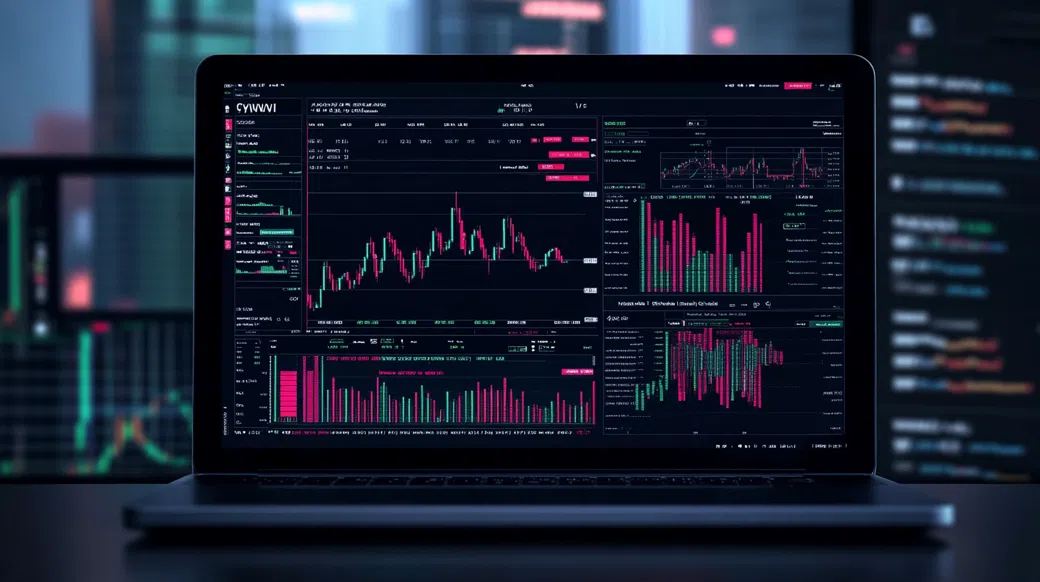
Think of Bénéfic Mapançe as an offshore-style CFD venue aimed at active traders who want multi-asset access and high leverage, with the trade-off being a lighter safety net than Tier-1 jurisdictions. In my Bénéfic Mapançe review, the account ladder is simple—Standard for spread-only pricing and a Raw/ECN-style tier for tighter spreads plus commission. The lineup is broad enough for a macro playbook (FX majors, US indices, gold, and headline crypto). The proprietary WebTrader is usable and fast on execution for liquid symbols, but platform ecosystem depth is not MT5-level. For details and the current onboarding flow, start at Bénéfic Mapançe.
Bénéfic Mapançe did not behave like a “disappearing broker” in my checks: KYC was enforced and withdrawals followed a documented flow. That said, it operates under an offshore framework, so “safe” here means operationally credible, not protected by top-tier investor compensation schemes.
From the paperwork and disclosures shown in the client portal, the provider is registered through the Mauritius FSC channel, which is common in this segment for offering leverage up to 1:500. In practice, offshore status usually brings looser conduct rules and fewer formal recovery routes if you end up in a dispute—so your own risk controls matter more than the logo on the footer. I screened for the classic red flags: aggressive “account manager” pressure, suspicious trophy badges, or friction when asking about withdrawals. The support agent pushed for none of that; instead, they asked for AML-aligned documents (photo ID plus proof of address) before enabling full cash-out. The platform also references segregated client funds, though the enforcement standard is not the same as a UK/EU regime. CFDs are leveraged products; most retail accounts lose money, and you can hit margin calls quickly when volatility spikes.
This broker generally accepts clients across parts of LATAM, MENA, and non-sanctioned regions in Africa and Asia, while the USA and heavily regulated/sanctioned jurisdictions are blocked.
| Region | Status | Leverage Cap |
|---|---|---|
| Latin America (selected countries) | Accepted | Up to 1:500 |
| MENA (selected countries) | Accepted | Up to 1:500 |
| Southeast Asia (selected countries) | Accepted | Up to 1:500 |
| Africa (selected countries) | Accepted | Up to 1:500 |
| USA | Restricted | Not offered |
| Sanctioned jurisdictions | Restricted | Not offered |
Eligibility is not just a checkbox: IP location, phone country code, and KYC address all get cross-checked, and the rulebook can change if local regulators tighten. If you travel often, expect additional verification prompts before funding or withdrawing.
Positioning-wise, the platform feels FX-and-index centric, with crypto CFDs there to satisfy weekend volatility hunters rather than to replace a dedicated exchange.
All of this is CFD exposure: you’re trading price movement on margin, not taking ownership of shares or receiving on-chain crypto. Any “dividend” effect is typically reflected as an account adjustment rather than shareholder rights.
Cost-wise, the story is two-track: a Standard account that bakes the fee into the spread, and a Raw/ECN-style option with tight spreads plus a per-lot commission. On liquid FX, the all-in bill is broadly in line with offshore CFD peers, with the Raw tier pricing better for frequent turn-over.
| Asset | Spread/Fee | Market Average Comparison |
|---|---|---|
| EUR/USD (Standard) | From 1.4 pips | In line |
| EUR/USD (Raw/ECN) | From 0.2 pips + $7 round-turn/lot | Competitive |
| Bitcoin (BTC/USD) | From $35 | Slightly better |
| Gold (XAU/USD) | From $0.30 | In line |
| US500 Index | From 0.8 points | In line |
Non-spread costs that matter: Overnight swap is the quiet P&L drain if you hold leveraged CFDs for weeks; I checked the swap panel before keeping a EUR/USD position past rollover. There’s also an inactivity fee of $10 per month after 90 days without trading, which makes “set and forget” funding expensive. On withdrawals, the broker’s side shows no added handling fee in the portal, but your bank/card rail can still clip you via intermediary or FX conversion charges; weekend financing can also widen costs on crypto CFDs. For the current pricing screens, I pulled the live rates directly from Bénéfic Mapançe.
WebTrader is the core workstation here: login was stable on Chrome, and the layout prioritizes watchlists plus a single-chart view with quick trade tickets. Order types covered the basics I care about for risk (market, limit, stop, and stop-loss/take-profit attachments), and fills on US500 during the NY overlap came back without drama. Still, if you live inside the MT4/MT5 plugin universe (EAs, custom indicators, trade copiers), you’ll feel the limits of a proprietary stack.
The Bénéfic Mapançe app mirrors the web layout closely, which reduces the learning curve when switching screens. I tested biometric access on Android, and the Bénéfic Mapançe login held session state reliably while flipping between charts and positions. Market orders and one-tap close were responsive, and you can initiate deposits/withdrawals from the same menu—useful when managing margin on the move. My only gripe: on smaller screens, the depth of the ticket (especially SL/TP editing) needs an extra tap compared to desktop.
Charting is adequate for discretionary trading: multiple timeframes, common indicators (MA, RSI, MACD, Bollinger), and basic drawing tools for levels and channels. The economic calendar and an integrated news feed help with macro timing, but you won’t get institutional-grade research or advanced analytics baked in. For systematic traders, the ceiling is visible—think “good enough to execute” rather than “a full quant lab.”
After entering email, phone, and residency, the portal moved straight into identity checks—no endless questionnaires, but enough AML friction to filter out throwaway accounts. KYC required a government-issued photo ID plus proof of address dated within three months, and my verification cleared the next business day. Deposit permissions opened immediately, while withdrawal access stayed gated until documents were approved, which is the right order of operations in my book.
One practical note for LATAM users: the base account is typically USD-denominated, so BRL/MXN funding can introduce conversion costs at the card issuer or payment processor. If you plan to withdraw often, align your funding currency and method from day one to reduce avoidable leaks.
I tested support with a very trader-specific question: where swap/financing rates are displayed and whether they change intraday around rollover. Live chat connected in roughly three minutes and pointed me to the instrument specs panel, plus clarified that triple-swap conventions apply on the designated weekday depending on the asset. I also sent an email asking about withdrawal sequencing after KYC approval; the ticket reply landed about nine hours later with a clear timeline and the minimum withdrawal threshold for my account.
Coverage runs on a 24/5 rhythm, which fits FX and index traders but leaves crypto-only users with thinner weekend staffing. Language support looks region-dependent; English was solid, while Portuguese/Spanish availability may vary by shift. Phone help wasn’t prominently offered in my dashboard—typical for offshore platforms that prefer written channels for audit trails.
If you’re considering this broker, start by mapping your region eligibility and checking live spreads during your usual trading hours. A demo run is worth it, then fund small and test a withdrawal once KYC is complete—numbers beat assumptions.
Visit Bénéfic MapançeYes, with guardrails. The interface is clean and the demo account helps, but leverage up to 1:500 can punish basic mistakes fast. If you’re new, keep position sizing small and learn how margin calls work before trading live CFDs.
Yes, crypto is available as CFDs, including BTC/USD and ETH/USD. You’re trading price exposure on margin rather than buying coins for a wallet. Weekend financing and wider spreads can make holding positions more expensive than many expect.
No, it didn’t present scam behavior in my usage—KYC was required and withdrawals followed a trackable process. The important caveat is regulatory: it operates via an offshore registration model (Mauritius FSC route in the disclosures I saw), so protections are lighter than FCA/ASIC-style regimes. Treat it as a higher-risk venue and manage exposure accordingly.
No, the USA is restricted. That’s consistent with many offshore CFD brokers due to US regulatory requirements. If you try to register with US details, the system should block onboarding during eligibility checks.
Most withdrawals are processed internally within 24–48 hours after KYC is approved. Receipt time depends on the rail: cards commonly take 2–5 business days, wires 3–7, and crypto is often same-day once released. Always expect extra time if your documents need re-validation.
The minimum deposit is $200. That level is enough to open positions, but not enough to absorb wide swings if you use high leverage. For risk control, size trades as if your account were smaller than it is.
Yes, there are iOS and Android apps, and they support both trading and basic account management. You can monitor margin, adjust SL/TP, and access funding menus from mobile. For heavy chart work, I still prefer the WebTrader on a larger screen.
Overall Score: 4.0/5
Spreads and execution on liquid markets are the main reasons I’d keep Bénéfic Mapançe on a shortlist—especially if you actually benefit from the Raw/ECN-style pricing rather than paying the Standard spread day after day. The platform is functional across web and mobile, and the KYC/withdrawal rails behaved predictably in my test. The downside is structural: offshore registration means fewer formal protections, so treat this as a trading account, not a savings account. If you proceed, keep leverage conservative—CFDs can liquidate accounts quickly. For the current terms, check Bénéfic Mapançe.
Best for: active CFD traders who measure costs in pips and commissions and want leverage flexibility. Avoid if: you require Tier-1 regulation, investor compensation schemes, or a full MT5-style ecosystem.