Credentix GPT Trading Platform Alternatives 2026
Credentix GPT alternatives for 2026: compare regulated brokers, costs, platforms, and safety. Practical criteria and a step-by-step migration checklist.

Credentix GPT alternatives for 2026: compare regulated brokers, costs, platforms, and safety. Practical criteria and a step-by-step migration checklist.
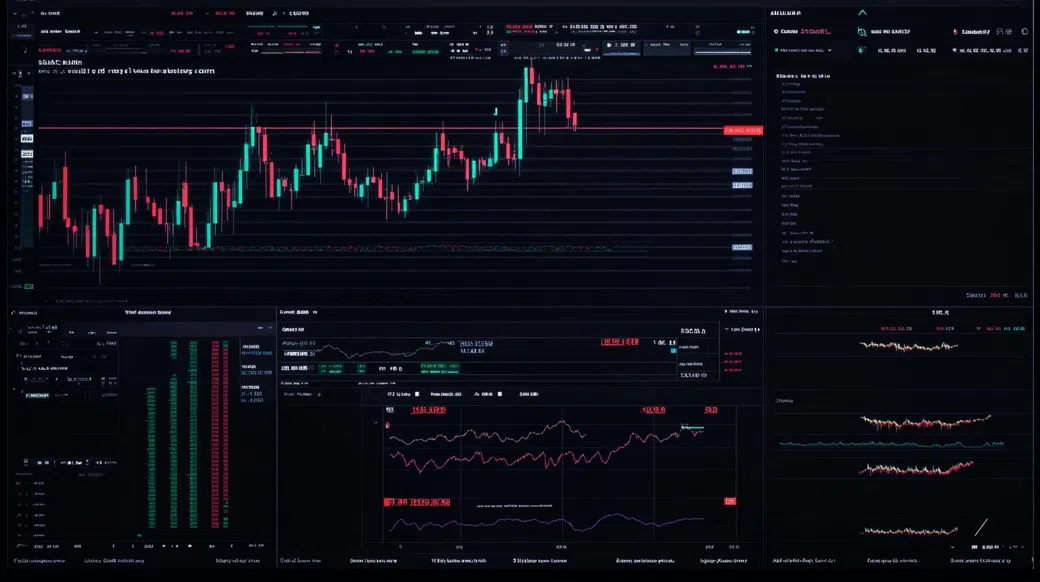
Spreads, margin rules, and cash-out mechanics decide whether a strategy survives. That’s why the conversation around Credentix GPT tends to get practical fast: it looks like a CFD-first setup with a proprietary WebTrader and mobile app, headline leverage that can reach 1:500, and a typical entry point around a $250 minimum deposit. In this offshore corner of the market (commonly structured through jurisdictions like Seychelles), you usually get a decent menu of FX pairs and index/commodity CFDs, plus crypto CFDs for directional exposure.
For some traders, that’s enough. For others—especially US/EU readers who care about enforceable rules—execution quality, investor protection, and the ability to trade real listed products become the real differentiators. If your P&L depends on tight fills, you’ll notice the difference between “from 2.0 pips” on EUR/USD and a raw spread plus a transparent commission. If your plan involves portfolios (ETFs, options, futures), a CFD-only stack can be a dead end.
This guide is built for that decision point. It lays out Credentix GPT alternatives with a regulated-first filter, then compares platforms, markets, and costs in a way that respects what actually moves the needle: round-turn trading cost, slippage, and the legal protections behind the account.
Disclaimer: This article is for informational purposes only and does not constitute investment advice. CFDs and leveraged products can move against you quickly and may result in losses exceeding deposits in some setups.
On the tape, Credentix GPT reads like a classic retail CFD venue: FX and CFDs at the center, risk managed through margin, and an execution model that typically resembles a market maker or hybrid setup rather than direct market access. The usual target user is the short-horizon trader who wants fast onboarding, a single dashboard, and broad access to leveraged products without the paperwork density of a full multi-asset brokerage. In practice, this segment commonly restricts the USA and other sanctioned jurisdictions, and it tends to operate under offshore supervision—here, I’m treating it as Seychelles-structured based on how similar providers present themselves publicly.
The platform stack is typically a proprietary WebTrader with a companion iOS/Android app—functional, but rarely built for deep workflow. Charting is usually good enough for retail (multiple timeframes, a set of indicators, drawing tools), yet it can feel shallow if you rely on custom scripts or automation. Order entry is generally straightforward (market, limit, stop; sometimes trailing stops), and the account area tends to bundle margin level, open P&L, and funding actions. Where these platforms often show their ceiling is in analytics depth and “microstructure” detail: execution reporting, partial fills, and detailed slippage stats aren’t always surfaced cleanly.
Cost-wise, expect a standard-style account with EUR/USD commonly around 2.0 pips in normal conditions, with the real all-in number moving with volatility and liquidity. Some providers in this lane advertise “raw” pricing (0.0–0.4 pips) but then charge a commission—typically in the neighborhood of $5–$8 round-turn—so the comparison has to be done in dollars per trade, not slogans. Swap/overnight financing is part of the package for CFD positions held past cutoff, and you should read the fine print for non-trading charges (inactivity, withdrawals, and currency conversion). This is the part where platforms like Credentix GPT can look inexpensive on day one and expensive over a quarter.
Cost is usually the first crack. A trader can tolerate a lot—until the spread and slippage start eating the edge. When EUR/USD averages around 2.0 pips, a high-turnover strategy pays a visible “tax” every round trip, and the leverage headline doesn’t offset that arithmetic. Add the offshore angle (and the limited dispute path that can come with it), and many traders begin screening Credentix GPT alternatives with tighter pricing, clearer execution disclosures, and stronger client-money rules.
I treat broker selection like position sizing: define the risk you cannot afford (counterparty, platform, regulation), then optimize for costs and tools. The best substitutes for a CFD platform depend on what you actually trade—FX only, multi-asset investing, or systematic execution. The point is to replace uncertainty with verifiable checks and numbers you can model.
Start with the regulator’s public register, not a broker’s footer. FCA (UK), ASIC (Australia), CySEC (EU), and NFA/CFTC (US) each impose different standards, but they share baseline expectations: segregation of client funds, capital requirements, and conduct rules. In the UK, the FSCS can cover eligible claims up to £85,000; in Cyprus, the ICF coverage is commonly cited up to €20,000 for eligible clients. That structure is a different world from offshore supervision where enforcement and compensation frameworks may be thinner.
Match product access to your strategy, not your curiosity. FX and index CFDs cover a lot of short-term ideas, but longer-horizon portfolios often need real stocks, ETFs, options, or futures. Multi-asset brokers (think exchange-traded routing and custody models) solve that gap. If you’re building hedges (options) or trading carry/roll dynamics (futures), a CFD-only account can’t replicate the same mechanics cleanly.
Spreads are only one line item. Commissions (especially on raw accounts), swap/overnight financing, and currency conversion can dominate over time. The comparison metric I like is round-turn cost: spread cost in pips converted to dollars + commissions + expected slippage for your trade size. A broker quoting 0.1 pips but slipping 0.4 pips on stops is not “cheap”—it’s just less honest in the headline.
Platform choice shapes what you can measure. MT4/MT5 and cTrader enable automation, indicators, and standardized trade logs; proprietary platforms can be smooth but closed. Execution model matters too: market maker vs STP/ECN vs DMA changes how orders are filled and how conflicts are managed. If you’re coming from Credentix GPT, ask the next broker for clarity on order handling, negative balance protection (where applicable), and how they report slippage in fast markets.
Support quality is a trading input, not a luxury. Time-zone coverage, ticket response times, and funding/withdrawal handling become critical when volatility spikes. Education is secondary for experienced traders, but platform documentation and margin rule clarity are not. Also check mobile parity: many retail accounts become “mobile-first” by accident, and a weak app can lead to sloppy risk management.
In FX/CFDs, the math is brutal: entry + exit costs decide survivability. With Credentix GPT-type pricing (EUR/USD often around 2.0 pips on a standard setup) and leverage that can run up to 1:500, the account can feel “powerful” while quietly charging you for every attempt. Regulated FX/CFD specialists like Pepperstone and OANDA tend to compete on transparency and tooling: raw/commission models for active traders, robust reporting, and platform choice (MT4/MT5/cTrader or strong proprietary stacks). The other difference is governance—FCA/ASIC-style supervision changes the incentives around disclosures, client money handling, and complaints processes. For traders who measure edge in fractions of a pip, these details aren’t philosophy; they’re P&L.
This is where many offshore CFD platforms simply don’t fit the requirement. If stock/ETF exposure is offered, it’s often via CFDs—no shareholder rights, no direct exchange routing, and financing costs if you hold. Traders who want real ownership (cash equities, ETFs) should look at multi-asset venues like Interactive Brokers or Saxo Bank, where the product set includes listed stocks and ETFs, and where execution can be closer to DMA depending on venue and configuration. Yes, the fee schedule is different (commissions, market data subscriptions in some cases, and custody mechanics), but the structure aligns better with longer-term portfolios, tax reporting, and institutional-style order types. That’s a clean category gap that many Credentix GPT alternatives can close.
Crypto on this type of platform is usually crypto CFDs: you’re trading price movements, not moving coins on-chain, and you’re exposed to overnight financing and broker pricing. For some traders, that’s fine—CFDs can simplify short exposure and leverage. For others, it’s a mismatch because “ownership” and transferability matter. If you want regulated CFD-style crypto exposure in a more established wrapper, brokers like IG (where available by region) and Plus500 are commonly referenced for crypto CFD access under stronger regulatory umbrellas than offshore venues. The important step is to separate the product: CFD exposure is not the same as holding spot crypto, and the risk profile (including gap risk and margin calls) is materially different.
Regulation: SEC/FINRA (US), FCA (UK), IIROC (Canada) within relevant entities
Markets: stocks, ETFs, options, futures, bonds, FX, funds (varies by region)
Fees: tiered/fixed commissions on equities; FX pricing typically commission-based with tight spreads (all-in varies by size/venue)
Platform: Trader Workstation (TWS), IBKR Desktop, web portal, mobile
Best For: Multi-asset investors who need real stocks/ETFs and futures
Regulation: FCA (UK), ASIC (Australia), CySEC (EU), DFSA (UAE)
Markets: FX and CFDs (indices, commodities; product list varies by entity)
Fees: standard spreads often around ~1.0+ pip on EUR/USD; raw accounts commonly ~0.0–0.3 pips + commission (all-in depends on volume)
Platform: MT4, MT5, cTrader, TradingView integrations (availability varies)
Best For: Systematic FX traders using EAs and tight execution
Regulation: FCA (UK), MAS (Singapore), DFSA (UAE) within relevant entities
Markets: stocks, ETFs, options, futures, FX, bonds, CFDs (varies by region)
Fees: commissions and tiered pricing by product; FX spreads typically competitive with account tier differences
Platform: SaxoTraderGO, SaxoTraderPRO
Best For: Portfolio traders who want a single account across asset classes
Regulation: CFTC/NFA (US), FCA (UK), ASIC (Australia), IIROC (Canada)
Markets: FX (core), CFDs in some regions (indices/commodities where offered)
Fees: spread-based pricing; EUR/USD commonly from ~0.6–1.2+ pips depending on conditions and region
Platform: OANDA web/mobile, MT4 (availability varies)
Best For: Risk-controlled FX traders who value strong oversight
Regulation: FCA (UK), ASIC (Australia), MAS (Singapore)
Markets: CFDs (indices, FX, commodities, shares where offered), spread betting (UK/IE), limited crypto CFDs where permitted
Fees: spread-based; major FX pairs often from ~0.6+ pips (cost varies by instrument and volatility)
Platform: IG web platform, mobile, MT4 (availability varies)
Best For: Macro-style CFD traders covering many indices and markets
Regulation: FCA (UK), CySEC (EU), FSC Bulgaria
Markets: stocks and ETFs (investing), CFDs (where offered, region-dependent)
Fees: investing accounts often commission-free on many stocks/ETFs; CFD costs are spread-based and vary by instrument
Platform: proprietary web and mobile platform
Best For: Simpler stock/ETF access for UK/EU retail users
| Platform | Regulation | Main Markets | Typical Costs | Best For |
|---|---|---|---|---|
| Interactive Brokers (IBKR) | SEC/FINRA, FCA, IIROC | Real stocks/ETFs, options, futures, FX, bonds | Commissions by product; FX often commission-based with tight spreads | Multi-asset investors who need real stocks/ETFs and futures |
| Pepperstone | FCA, ASIC, CySEC, DFSA | FX + CFDs (indices/commodities) | EUR/USD ~1.0+ pip (Std) or ~0.0–0.3 + commission (Raw) | Systematic FX traders using EAs and tight execution |
| Saxo Bank | FCA, MAS, DFSA | Stocks/ETFs, options, futures, FX, CFDs | Tiered pricing; commissions on listed products; competitive FX by tier | Portfolio traders who want a single account across asset classes |
| OANDA | CFTC/NFA, FCA, ASIC, IIROC | FX-first; CFDs in select regions | Spread-based; EUR/USD often ~0.6–1.2+ pips | Risk-controlled FX traders who value strong oversight |
| IG | FCA, ASIC, MAS | CFDs across indices/FX/commodities; some share CFDs | Spread-based; major FX often from ~0.6+ pips | Macro-style CFD traders covering many indices and markets |
| Trading 212 | FCA, CySEC, FSC Bulgaria | Stocks/ETFs (investing); CFDs (where available) | Investing often commission-free; CFD spreads vary by market | Simpler stock/ETF access for UK/EU retail users |
Switching brokers is operational risk dressed up as convenience. The clean way is to keep control of identity checks, cash flow, and position exposure—without assuming you can “transfer” trades between venues. Treat the move like a small project: verify first, then fund, then scale. If you’re exiting Credentix GPT, remember that leveraged CFDs can gap; reduce exposure before you start moving money.
If you’re still evaluating, compare the onboarding steps, regional eligibility, and the platform stack against the regulated options above. Check margin rules, fees, and withdrawal methods in writing before committing meaningful capital.
Visit Credentix GPTThe best option depends on whether you need real multi-asset access or mainly FX/CFDs. For real stocks/ETFs and futures, Interactive Brokers and Saxo Bank are strong picks; for FX execution and automation, Pepperstone and OANDA are often better fits. That mix is why my shortlist of Credentix GPT alternatives separates “portfolio plumbing” from “trading engine.”
Credentix GPT appears to operate under an offshore framework (commonly structured through jurisdictions such as Seychelles), which typically offers fewer investor-protection layers than FCA/ASIC/CySEC/NFA regimes. That doesn’t automatically mean “unsafe,” but it does mean you should assume weaker compensation mechanisms and a thinner dispute path. For many traders comparing Credentix GPT trading platform alternatives 2026, that governance gap is the key variable.
Expect FX and CFDs as the core offering, with crypto exposure typically delivered as crypto CFDs rather than on-chain ownership. Stock/ETF access—if available—is often via CFDs, and listed futures are usually not part of this platform type. If those instruments matter, brokers similar to Credentix GPT on leverage won’t help as much as multi-asset venues like Interactive Brokers or Saxo.
Verify the new broker’s legal entity on the regulator register, then compare round-turn trading cost (spread + commission + expected slippage) on your typical position size. Confirm client-money segregation, negative balance protection terms (where applicable), and the exact withdrawal rules under AML. Those checks will do more for your outcome than chasing the highest leverage in a list of competitors to Credentix GPT.
About the Author: Carlos Mendes is a former equity desk analyst from São Paulo who covers emerging-market brokerages and Latin American fintech with a trader’s bias for measurable inputs. He focuses on market structure, costs, and risk controls—because the spreadsheet usually tells the truth before the marketing does.