Devisal Monéta Review 2026: Is It Safe & Worth Your Money?
In-depth Devisal Monéta review updated for 2026. We tested spreads, key features, supported countries, and safety. Read our full verdict.

In-depth Devisal Monéta review updated for 2026. We tested spreads, key features, supported countries, and safety. Read our full verdict.
| Min Deposit | $200 |
| Max Leverage | 1:500 |
| Assets | Forex CFDs, Index CFDs, Commodity CFDs, Crypto CFDs, Share CFDs |
| Platforms | WebTrader + iOS/Android mobile apps |
Built for traders who think in spreads and margin, Devisal Monéta targets the “multi-asset CFD” crowd that wants leverage and a clean web platform—at the cost of operating under an offshore framework. In my testing, the account ladder is simple: a spread-only Standard for casual flow and a tighter Raw/ECN-style tier for people who actually track all-in trading costs. Coverage leans FX and index CFDs first, with crypto and shares as add-ons rather than the core menu. The WebTrader is fast enough for intraday work, and the mobile stack is functional for monitoring risk on the go. The main drawback is the lighter dispute and compensation backdrop typical of offshore registration; you need tighter self-control on leverage. Devisal Monéta
Devisal Monéta looked operational and tradeable in my checks, not like a “vanishing broker” setup, but it sits in the offshore category. That matters: protections can be more contractual than regulatory, so risk management has to come from the trader, not the rulebook.
On the paperwork side, the provider presents itself under a Mauritius FSC registration model, which is a familiar address in the international CFD world. The practical implication is simple: higher leverage is easier to offer, yet investor compensation schemes and complaint escalation are typically thinner than what you’d expect under FCA/ASIC-style regimes. I scanned for the usual red flags—aggressive “account manager” pressure, fake award banners, or withdrawal friction—and didn’t get pushed into upsells during onboarding or funding. KYC/AML was enforced (ID plus proof of address requested), and the legal pages reference segregated client funds language, though as always offshore, you’re relying on implementation. One more reminder before the fun part: CFDs are leveraged products; most retail accounts lose money, and your capital is at risk.
This broker is positioned for international clients across parts of LATAM, MENA, and segments of Asia and Africa, while the USA and sanctioned jurisdictions are off-limits.
| Region | Status | Leverage Cap |
|---|---|---|
| Latin America (selected countries) | Accepted | Up to 1:500 |
| MENA (selected countries) | Accepted | Up to 1:500 |
| Southeast Asia (selected countries) | Accepted | Up to 1:500 |
| Africa (selected countries) | Accepted | Up to 1:500 |
| USA | Restricted | Not offered |
| Sanctioned jurisdictions | Restricted | Not offered |
Eligibility isn’t just a checkbox: IP location, residency declarations, and KYC documents all get cross-checked, and the accepted list can tighten quickly when policy changes or payment rails shift.
The catalog is built around liquid, headline-driven CFDs—good for macro traders who live off FX and index volatility, with crypto and single-name shares used more as tactical satellites.
Everything here is CFD exposure: you’re trading price movement, not acquiring shareholder rights, not receiving physical delivery, and not holding on-chain crypto. Dividends and corporate actions, when relevant, show up as broker adjustments rather than ownership benefits.
Pricing is split between a spread-only Standard account and a Raw/ECN-style option where tighter spreads are paired with a per-lot commission. On EUR/USD, the Standard tier starts around 1.5 pips, while the tighter account can print near 0.2 pips plus commission—roughly in line with what offshore multi-asset CFD brokers tend to quote in 2026.
| Asset | Spread/Fee | Market Average Comparison |
|---|---|---|
| EUR/USD (Standard) | From 1.5 pips | Mid-pack for offshore CFD brokers |
| EUR/USD (Raw/ECN) | From 0.2 pips + $7 round-turn/lot | Competitive if you trade size |
| Bitcoin (BTC/USD) | From $35 | Typical for CFD pricing; varies on weekends |
| Gold (XAU/USD) | From $0.35 | Reasonable versus multi-asset peers |
| US500 Index | From 0.8 points | Close to the segment average |
Non-spread costs to model: swaps/overnight financing are where “okay spreads” can still become expensive, particularly on indices and crypto held for days. There’s also a $10 monthly inactivity fee after 90 days without trading, which punishes set-and-forget accounts. On the funding side, cards can introduce FX conversion costs if your base currency doesn’t match, and weekend financing on crypto positions can bite harder than most beginners expect.
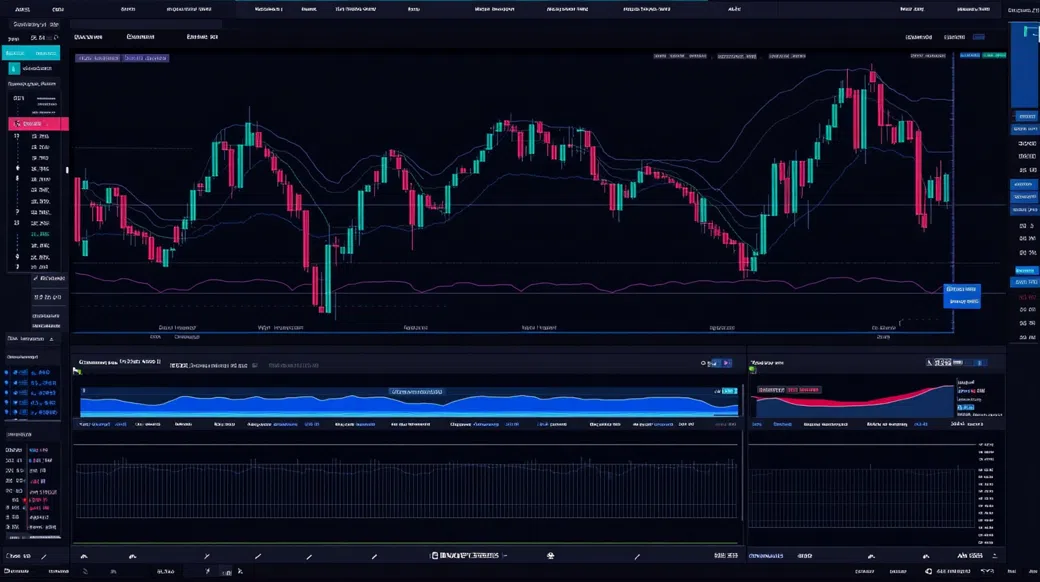
From the desktop side, the WebTrader behaved like a purpose-built CFD terminal: stable sessions, quick symbol search, and enough order controls for normal risk work (market, limit, stop, plus stop-loss/take-profit attachments). I placed a small US500 position during the NY/London overlap and watched fills come back without drama; slippage existed on fast ticks but didn’t look one-sided. If you’re coming from MT4/MT5, you’ll miss the plug-in ecosystem and the familiar EAs—nothing here suggested a full algorithmic stack.
The Devisal Monéta app is built for supervision and execution, not just price watching: real-time quotes, position editing, and one-tap close were all present. Devisal Monéta login supported biometric unlock on my device, which is the right baseline in 2026. Deposits and withdrawals are accessible in-app, and push notifications can be configured for price alerts and margin events, although the alert logic is simpler than what advanced chart platforms offer.
Charting is competent: multiple timeframes, the standard indicator shelf (MA, RSI, MACD, Bollinger), and basic drawing tools for levels and channels. There’s an integrated economic calendar and a lightweight news feed—enough to avoid trading blind into CPI/FOMC, but not a replacement for dedicated research terminals. Watchlists and alerts help, yet heavy technical traders will still feel the ceiling versus MT5/cTrader-style environments.
My sign-up flow asked for the usual identity details plus a quick suitability/risk set, then pushed me into KYC before I could request a withdrawal. Verification required a government-issued photo ID and a proof of address dated within three months; my upload went through the first time, and approval landed the same business day. The funding screen is clearly separated from trading, which reduces “fat-finger” mistakes when you’re moving money and managing margin.
Account base currency choices are limited, so cross-border clients should pay attention to conversion on card deposits. One detail I liked: before funding, the platform forces a risk disclosure screen—basic, but it prevents the “I didn’t know leverage magnifies losses” excuse. If you want to see the workflow yourself, start with the demo and then evaluate live pricing on your own instruments at Devisal Monéta.
I tested support with a practical question: how swaps are applied on index CFDs held over the weekend and where the schedule is published. Live chat picked up in about 3 minutes and pointed me to the instrument-spec page inside the platform, including a note that triple-swap timing depends on the asset class. I also opened an email ticket about withdrawal rails and KYC sequencing; the reply arrived in roughly 9 hours with a method-by-method timing breakdown.
Coverage is aligned with the CFD norm: 24/5 availability during market days, with weekend responses slower unless it’s a crypto-related operational issue. Language support is functional in English and tends to expand by region, but phone support isn’t consistently marketed, so I wouldn’t count on a direct line when you’re in a hurry. Relative to peers, the help is adequate—more “operational guidance” than “trading coaching,” which is how it should be.
If you’re considering this broker, the sensible move is to validate your region, run the demo, and then compare Standard vs. Raw all-in costs on the specific symbols you trade. Pricing can look different at your session hours, especially on indices and crypto.
Visit Devisal MonétaIt can be, as long as you treat leverage with respect and start on demo first. The WebTrader is not overloaded with advanced modules, and the Standard account keeps costs easier to read. Still, beginners should understand CFDs, margin calls, and overnight financing before going live.
Yes, crypto is available via CFDs, including pairs like BTC/USD and ETH/USD. That means you’re trading price exposure rather than holding coins in a wallet. Expect wider effective costs on weekends due to financing and liquidity shifts.
No—the platform behaved like a functioning broker in my tests (KYC required, trading access worked, and withdrawals followed the stated flow). The important caveat is that it operates under an offshore registration model, which generally offers fewer formal protections than top-tier regulators. So the risk is less about “scam” and more about governance and leverage discipline.
No, Devisal Monéta is not offered to USA residents. The sign-up funnel and compliance checks typically block US-based customers. If you’re traveling, your residency/KYC documents still determine eligibility.
Most withdrawals are processed internally within 24–48 hours after KYC is approved. After that, card withdrawals commonly land in 2–5 business days, bank wires in 3–7 business days, and crypto transfers are often same-day. Timing can stretch if documents need re-submission or if banks add compliance checks.
The Devisal Monéta minimum deposit is $200 for the live account funding screen I used. That’s enough to test execution with small size, but it’s still real risk capital. If you’re learning, use the demo first and size down when you switch to live.
Yes, there are iOS and Android apps alongside the WebTrader. You can manage orders, monitor margin, and handle deposits/withdrawals from mobile. It’s strong for execution and oversight, though heavy chart work is still better on desktop.
Overall Score: 4.0/5
For traders who quantify costs and don’t romanticize leverage, Devisal Monéta lands as a credible offshore-style CFD venue with sensible tiered pricing and a usable platform stack. The Raw/ECN-style account can make math-friendly sense if you trade frequently, while the Standard tier is fine for occasional positions. Where I stay cautious is the jurisdictional reality: dispute leverage and investor backstops are not the same as Tier-1 regimes, so position sizing and withdrawal discipline matter. CFDs are high-risk instruments, and most retail traders lose money—treat this as speculation, not savings. Devisal Monéta
Best for: cost-aware FX/index CFD traders who want WebTrader simplicity and are comfortable with offshore onboarding. Avoid if: you require Tier-1 regulation, deep research tooling, or you’re prone to overusing 1:500 leverage.