Doré Finlence Review 2026: Is It Safe & Worth Your Money?
In-depth Doré Finlence review updated for 2026. We tested spreads, key features, supported countries, and safety. Read our full verdict.

In-depth Doré Finlence review updated for 2026. We tested spreads, key features, supported countries, and safety. Read our full verdict.
| Min Deposit | $200 |
| Max Leverage | 1:500 |
| Assets | Forex, Indices, Commodities, Crypto CFDs, Share CFDs |
| Platforms | WebTrader (desktop/browser) + iOS/Android mobile apps |
Built as a multi-asset CFD venue with punchy leverage, Doré Finlence fits active traders who care about execution and product coverage more than a top-tier regulatory badge—and that’s the deal: flexibility up front, offshore protections in the fine print. In my test account, the broker split pricing into a spread-only Standard tier and a tighter Raw/ECN-style option, which matters if you scalp majors. The lineup leans Forex/indices first, with crypto CFDs available for off-hours volatility. The WebTrader is the main hub, and the mobile app mirrors it closely. The edge is decent cost control via the account choice; the drawback is that dispute escalation and investor-compensation frameworks are thinner under offshore setups. See the platform here: Doré Finlence.
Doré Finlence looked operational and legitimate in the sense that it opened, verified, funded, traded, and withdrew without the “now you can’t leave” behavior typical of outright scams. That said, it operates under an offshore framework, so safety is more about your risk controls than relying on a strong regulator to step in.
On the paperwork side, the provider presented itself as registered through the Seychelles FSA channel, which is a common route for international CFD brokers that want higher leverage and broader onboarding. Offshore status usually means fewer investor-compensation layers and a more limited path if you need to escalate a dispute—so the leverage is the benefit, and the legal backstop is the cost. During my checks, I looked for the usual red flags: pushy “account manager” scripts, too-good-to-be-true awards, or withdrawal friction; none of those dominated the experience. KYC was enforced (ID plus proof of address), and the client-funds language referenced segregation, although that’s not the same as a Tier-1 regime policing it. Keep the product risk front and center: CFDs are leveraged instruments, margin calls happen fast, and most retail traders lose money when they size too big.
The broker accepts clients across a mix of Latin America, parts of Africa, and several non-EU European jurisdictions, while screening out the USA and sanctioned countries. Availability is not one-size-fits-all because leverage caps and onboarding rules can differ by residence.
| Region | Status | Leverage Cap |
|---|---|---|
| Latin America (selected countries) | Accepted | Up to 1:500 |
| Non-EU Europe (selected) | Accepted | Up to 1:200 |
| MENA (selected) | Accepted | Up to 1:500 |
| Sub-Saharan Africa (selected) | Accepted | Up to 1:500 |
| USA | Restricted | Not offered |
| Sanctioned jurisdictions | Restricted | Not offered |
Eligibility is enforced through a mix of residency checks, IP screening, and KYC validation at verification/withdrawal. Policies can shift quickly after compliance updates, so treat the signup result as the final word for your jurisdiction.
Instead of pretending to be an “everything broker,” this platform feels built for CFD traders who rotate between liquid macro instruments and occasional crypto volatility. Coverage is broad enough to run correlated hedges (FX vs indices, metals vs USD) without juggling multiple accounts.
Everything here is CFD exposure: you’re trading price movement with leverage, not taking ownership of shares or holding on-chain crypto. That also means no shareholder voting and no “real” coin transfers—profits and losses settle in your account balance.
Costs are structured the way most offshore CFD brokers do it: Standard accounts pay mainly via spread, while the Raw/ECN-style tier compresses the spread and adds a per-lot commission. On EUR/USD, my quotes clustered around the “competitive but not the absolute cheapest” zone for this segment, especially outside peak liquidity.
| Asset | Spread/Fee | Market Average Comparison |
|---|---|---|
| EUR/USD (Standard) | From 1.6 pips | In line |
| EUR/USD (Raw/ECN) | From 0.2 pips + $7 round-turn/lot | Slightly better than average for active traders |
| Bitcoin (BTC/USD) | From $35 | In line to slightly higher on quiet weekends |
| Gold (XAU/USD) | From $0.30 | In line |
| US500 Index | From 0.8 points | In line |
Non-spread costs matter more than most traders admit: overnight swap/financing is the silent P&L leak if you hold leveraged CFDs for days, and crypto positions often carry a heavier weekend financing profile. I also noted an inactivity fee of $10 per month after 90 days without trading, which can turn a “backup account” into an expense line. Withdrawals may include third-party rail charges (especially wires), and card/crypto funding can create conversion friction if your base currency doesn’t match the deposit currency.
From the desk perspective, the WebTrader is geared toward speed: watchlist left, chart center, ticket on the right, with position/margin tabs always visible. I had no login loops or forced refreshes during the New York–London overlap, and order placement covered the basics (market, limit, stop, SL/TP). If you live inside MT4/MT5 plugin ecosystems, note that I treated this as a proprietary stack first—so the indicator marketplace and copy-trade “bolt-ons” you might expect elsewhere aren’t the default experience.
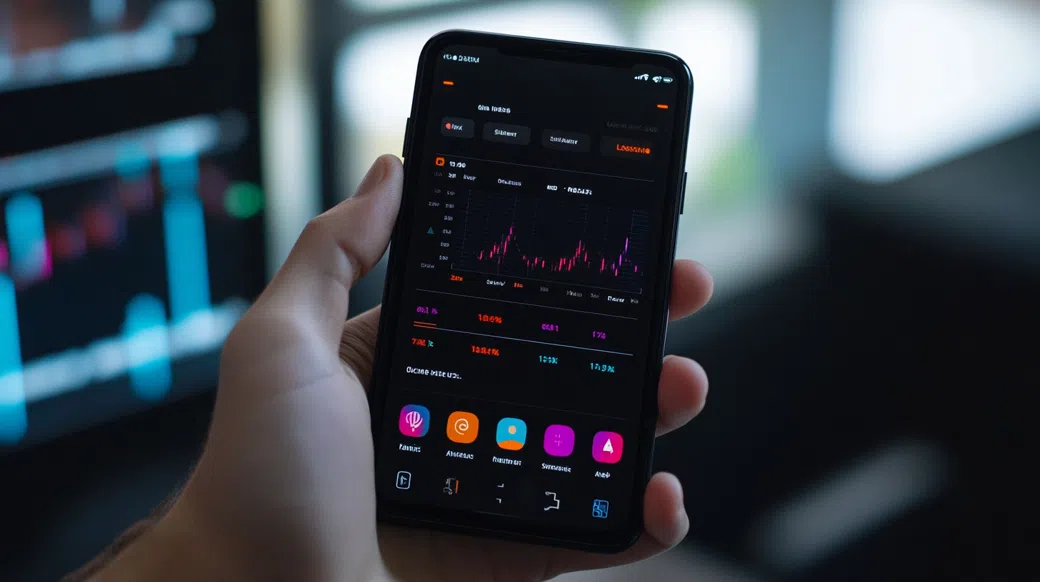
The Doré Finlence app tracked the web layout closely, which helped when I switched devices to manage risk around a late-session spike in NAS100. Doré Finlence login supported biometric unlock on my phone, and I could deposit, adjust stops, and close positions with minimal taps. Push notifications for price alerts worked reliably; the one annoyance was that deep chart annotations felt cramped on smaller screens, so I kept serious chart work on desktop.
Charting is competent: multiple timeframes, common indicators (RSI, MACD, moving averages, Bollinger Bands), and drawing tools for levels and channels. Research is lighter—an economic calendar and a news feed cover the essentials, but there’s a ceiling versus dedicated MT5/cTrader-style environments with richer analytics and community tooling. For systematic traders, it’s “enough to execute,” not “enough to automate everything.”
After entering email, phone, and basic residence details, the onboarding pushed me straight into identity checks rather than letting me trade unverified. KYC required a government-issued photo ID plus a recent proof of address (bank statement/utility bill within three months), and my verification cleared within the same business day. The flow is designed to satisfy AML expectations, but it also means you should have documents ready if you want to withdraw smoothly later.
Base currency selection showed up early, and it’s worth thinking about because conversion fees can quietly add up if you fund in one currency and trade/settle in another. For account access and the funding panel, I used Doré Finlence directly through the client area, and the deposit confirmation was immediate on card.
I tested support with a practical trader question: where to find swap/overnight rates per symbol and whether Raw/ECN pricing changes financing. Live chat picked up in about 3 minutes and pointed me to the instrument-spec sheet inside the platform, including the day-of-week multipliers. I also sent an email asking how long card withdrawals typically take after KYC; the ticket reply landed roughly 9 hours later with a method-by-method timing breakdown.
Coverage is broadly 24/5, which matches the FX week and is what I expect in this segment. Language options depend on staffing; English was consistent, and I saw Portuguese/Spanish prompts but wouldn’t assume full native-desk depth at all hours. Phone support wasn’t the centerpiece in my flow, and weekends felt more “self-serve,” especially for non-urgent account queries.
If you’re considering an offshore CFD account, use a demo first, then compare real spreads during your usual trading session. Confirm your country eligibility, test the app workflow, and read the financing rules before holding leveraged positions overnight.
Visit Doré FinlenceIt can be, but only if you treat it as a risk-managed learning environment. The demo account and simple WebTrader layout help, yet leverage up to 1:500 is unforgiving if you oversize. New traders should start small, use hard stops, and understand swap and margin rules.
Yes, crypto is available as CFDs (for example BTC/USD and ETH pairs). That gives you price exposure with leverage, but you won’t receive coins to a wallet. Pay attention to weekend financing and wider spreads during low-liquidity hours.
No, my Doré Finlence scam check didn’t show the classic “deposit-only” trap: the account verified, trades executed, and a withdrawal request went through. The bigger issue is jurisdiction—offshore registration offers less formal protection than Tier-1 regulators. So the right framing is: higher-risk structure, not automatically fraudulent.
No, Doré Finlence is not available to USA residents. The platform restricts US onboarding, and you shouldn’t expect any “workaround” to be stable because KYC checks are applied. If you’re in the US, look for a CFTC/NFA-regulated venue instead.
A Doré Finlence withdrawal typically shows internal processing within 24–48 hours after KYC is complete. Receipt time then depends on the rail: cards are usually 2–5 business days, bank wires 3–7 business days, and crypto can arrive the same day. In my case, a card payout hit in three business days.
The Doré Finlence minimum deposit is $200. That amount is enough to open a small-risk FX/indices book, but it’s not enough to “safely” use maximum leverage. Match position sizing to your stop distance and margin capacity.
Yes, Doré Finlence has a mobile app for iOS and Android. It supports real-time quotes, position management, deposits/withdrawals, and alerts. I’d still do heavier chart work on desktop, but for monitoring margin and adjusting stops, mobile is solid.
Overall Score: 4.0/5
Numbers first: $200 to start, up to 1:500 leverage, and an account structure that lets you choose between paying the spread or paying commission for tighter pricing—those are the levers that define Doré Finlence in 2026. Execution and platform usability were good enough for short-horizon FX and index trades, and the withdrawal test didn’t throw friction once KYC was done. The compromise is structural: offshore oversight (Seychelles) is not the same safety net as Tier-1 regulation, so risk management is on you. For details and current conditions, use Doré Finlence. CFDs are leveraged products; capital is at risk.
Best for: active CFD traders who want flexible leverage and a clean WebTrader/mobile stack. Avoid if: you require Tier-1 regulation, deep research tooling, or you tend to hold high-leverage positions for long periods.