Eldraven Kvalsund Trading Platform Alternatives 2026
Compare Eldraven Kvalsund alternatives for 2026: regulated brokers, FX/CFD costs, platforms (MT4/MT5/cTrader), safety checks, and migration steps.

Compare Eldraven Kvalsund alternatives for 2026: regulated brokers, FX/CFD costs, platforms (MT4/MT5/cTrader), safety checks, and migration steps.
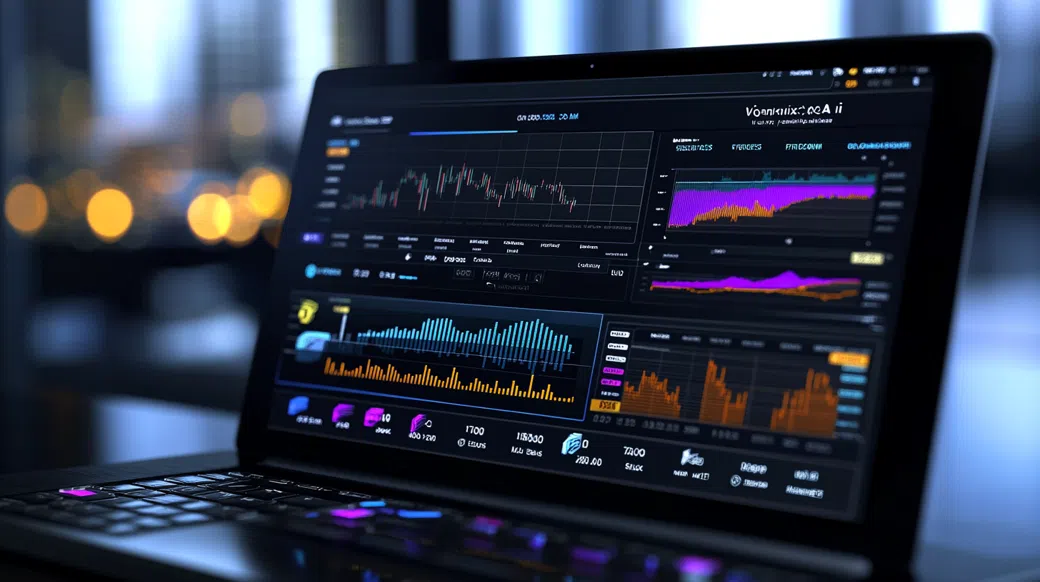
Spreads are a quiet tax. You don’t feel them on day one, but by trade 200 they start showing up in your P&L like a line item you forgot to budget. That’s usually where the search for Eldraven Kvalsund alternatives begins: not with drama, but with math. In the offshore CFD segment where Eldraven Kvalsund appears to sit, the typical package is familiar—Forex and index CFDs, a proprietary WebTrader that covers the basics, and leverage that can look generous on a banner and brutal in a drawdown.
Based on what is commonly observed from brokers operating under a Seychelles-style framework, traders may run into a standard EUR/USD spread around 2.0 pips, a minimum deposit near $250, and advertised maximum leverage close to 1:500. The product set usually centers on 30–50 FX pairs, a modest menu of commodities and indices, and crypto CFDs (exposure via derivatives, not coin ownership). For US residents, access is typically off the table, and other restricted jurisdictions can appear with little warning.
This guide is built for a US/EU-leaning audience that cares about execution quality, transparent costs, and credible oversight. I’ll map the main friction points, then stack up regulated substitutes—multi-asset where it matters, FX/CFD specialists where pricing and platforms matter more.
Disclaimer: This article is for informational purposes only and does not constitute investment advice. CFDs and other leveraged products can move fast against you, and losses can exceed expectations—trade only with risk capital.
From the way it is typically presented in this category, Eldraven Kvalsund looks like a CFD-first brokerage aimed at retail traders who want quick access to FX, indices, and crypto CFDs through a browser-based interface. The operating pattern is consistent with an offshore framework under the Seychelles FSA, which tends to mean lighter investor-protection scaffolding than FCA/ASIC/CySEC regimes. Practically, the offering fits short-horizon speculation: leveraged instruments, simplified onboarding, and a product list that favors CFDs over ownership-based investing.
The platform stack is usually built around a proprietary WebTrader plus iOS/Android apps. Charting is generally “good enough” for discretionary trading—multiple timeframes, a standard set of indicators, and basic drawing tools—but it often lacks the depth that systematic traders expect (strategy testing, granular order management, or institutional-style analytics). Order tickets in this segment typically cover market/limit/stop, with take-profit and stop-loss attached; advanced order types and routing transparency are less common. Mobile parity is normally decent for monitoring and quick execution, while account dashboards focus on margin, equity, and open P&L rather than detailed execution reporting.
Cost-wise, offshore CFD providers tend to anchor pricing in the spread, with a typical EUR/USD around 2.0 pips on a standard-style account. Some competitors to Eldraven Kvalsund advertise “raw” tiers where spreads compress (often near 0.0–0.4 pips) but add a commission—commonly $5–$8 per round turn; whether that structure exists here should be verified inside the account portal. Beyond headline spreads, the real frictions are swap/overnight financing on held positions, possible inactivity charges after prolonged dormancy, and withdrawal handling that can include processor fees or bank charges depending on the route.
The moment your strategy tightens, tolerance for “good enough” drops. A trader running short-term setups will notice quickly that a 2.0-pip EUR/USD spread isn’t just cosmetic—it reshapes break-even levels and makes stop placement more fragile. That’s why Eldraven Kvalsund alternatives often get evaluated with a calculator, not a vibe check. Regulation is another hard divider: EU/UK traders typically want negative balance protection, segregated client funds, and a regulator with a track record you can audit.
I treat broker selection like position sizing: define the downside first, then optimize the upside. For alternatives to the Eldraven Kvalsund trading platform, the “downside” is not a bad trade—it’s counterparty risk, poor execution, and hidden fees that turn a strategy negative. Use a structured filter: regulation and protections, instruments you actually need, cost of trade measured correctly, and platform/execution fit.
Start with who supervises the entity you will onboard with: FCA (UK), ASIC (Australia), CySEC (Cyprus/EU), and for US eligibility, NFA/CFTC. FCA-regulated firms can fall under the FSCS (up to £85,000 in certain cases), while CySEC firms can connect to the ICF (up to €20,000). Look for segregated client funds language, negative balance protection for retail where applicable, and a clean listing on the regulator’s public register.
Match instruments to intent. If your plan is FX intraday, you don’t need 20,000 stocks; you need robust margining, predictable swaps, and stable execution. If you’re building a portfolio, “stocks via CFD” is a different animal than holding real shares—no voting rights, financing costs, and different tax treatment. Brokers similar to Eldraven Kvalsund tend to be CFD-centric; multi-asset regulated houses are the ones that close the gap for ETFs, options, and futures.
Compare round-turn cost on your typical trade size. A low spread with a commission can be cheaper than a “commission-free” wide-spread account, especially for frequent traders. Don’t stop at EUR/USD: check your most traded pair/index, plus swap/overnight fees if you hold positions past rollover. Also scan for inactivity fees and withdrawal charges—small line items that become real if you trade in cycles.
Platform choice is strategy choice. MT4/MT5 remains common for FX automation; cTrader is popular with execution-focused traders; proprietary platforms vary wildly in depth. Ask how orders are handled—market maker vs STP/ECN/DMA—and what that implies for requotes, slippage, and price improvement. In the same way you wouldn’t accept a vague fill on an equity desk, don’t accept vague language here. If you’re coming from Eldraven Kvalsund, test execution with small size first and log fill statistics.
Speed matters when money is stuck. Evaluate support hours (especially if you trade US sessions from Europe), ticket response time, and whether the broker supports your language needs. Education is secondary for experienced traders, but strong documentation helps—margin rules, corporate actions for stocks, and clear KYC/AML instructions reduce friction. Finally, mobile parity should cover risk controls (position sizing, stops, margin alerts), not just “buy/sell” buttons.
On pure FX/CFDs, the usual trade-off is leverage versus total cost and execution transparency. Eldraven Kvalsund-like setups often advertise high leverage (around 1:500), but leverage is not edge; it’s exposure. With a typical 2.0-pip EUR/USD spread, a high-frequency approach pays a heavy toll before slippage even enters the picture. Regulated alternatives can be more “boring” on marketing and more serious on plumbing: Pepperstone and OANDA are good references here, offering MT4/MT5 (and cTrader at Pepperstone) plus tighter pricing structures depending on account type and jurisdiction. For traders who measure performance in pips and execution reports—not screenshots—those differences show up quickly.
This is where many offshore CFD platforms simply don’t compete. If stocks/ETFs are offered, it’s frequently as CFDs—meaning you’re trading price exposure with financing costs, and you’re not building an actual custody-based portfolio. US/EU investors who want the real thing (exchange access, corporate actions, and the ability to transfer positions) usually end up at multi-asset venues. Interactive Brokers (IBKR) is the most direct bridge for global equities, ETFs, options, futures, and FX under one roof, while Saxo Bank is strong for multi-asset traders who value a refined platform and broad market access. In other words: if your “alternative” goal is ownership, not leverage, prioritize brokers that are built for investment as well as trading.
Crypto is often the most misunderstood line item on CFD broker menus. If Eldraven Kvalsund offers crypto, it is typically via crypto CFDs—you’re speculating on price, not taking custody, not moving coins on-chain, and not earning protocol yield. That can be fine for tactical trades, but it’s a different risk profile than spot ownership. For regulated exposure, IG and Plus500 are common choices in jurisdictions where crypto CFDs are permitted, offering a more established regulatory perimeter than offshore providers. Pay attention to weekend spreads, margin changes during volatility, and overnight financing—crypto CFD carrying costs can turn a “position trade” into a slow leak.
Regulation: SEC/FINRA (US), FCA (UK), IIROC (Canada)
Markets: Stocks, ETFs, options, futures, bonds, FX
Fees: FX spreads vary by venue/size; commissions apply on many products (pricing is generally transaction-based rather than “all-in spread”)
Platform: Trader Workstation (TWS), IBKR Desktop, Web, mobile; API access
Best For: Multi-asset portfolio + active execution under one account
Regulation: FCA, ASIC, CySEC, DFSA
Markets: FX, CFDs (indices, commodities, some crypto CFDs depending on entity)
Fees: Standard accounts often from ~1.0 pip; Razor/Raw-style pricing can run ~0.0–0.3 pips plus commission (varies by platform/entity)
Platform: MT4, MT5, cTrader, TradingView integration (availability varies)
Best For: Algorithmic FX traders who want MT4/MT5/cTrader flexibility
Regulation: FCA, ASIC, MAS
Markets: CFDs and spread betting (where permitted), FX, indices, commodities, shares (often via CFDs; share dealing available in some regions)
Fees: FX spreads commonly from ~0.6 pips on major pairs (varies by market and region); financing applies on CFD holds
Platform: IG web platform, mobile app; MT4 available in many regions
Best For: Macro CFD traders who want broad index/sector coverage
Regulation: FCA, DFSA, MAS
Markets: Stocks, ETFs, bonds, FX, options, futures, CFDs
Fees: Pricing is tiered; FX spreads can be competitive on higher tiers, while investing products typically use commissions and/or custody-related fees depending on region
Platform: SaxoTraderGO, SaxoTraderPRO
Best For: Cross-asset traders who value research-grade tools and reporting
Regulation: CFTC/NFA (US), FCA (UK), ASIC (Australia), IIROC (Canada)
Markets: FX (and CFDs in some regions)
Fees: Typically spread-based pricing; majors often around ~0.6–1.2 pips depending on market conditions and jurisdiction
Platform: OANDA web, mobile, MT4 (availability varies); API for advanced users
Best For: US-eligible FX traders prioritizing regulatory clarity
Regulation: FCA, CySEC, ASIC, MAS
Markets: CFDs (indices, FX, commodities, shares, crypto CFDs where permitted)
Fees: Primarily spread-based; costs vary by instrument plus overnight financing on held CFD positions
Platform: Plus500 proprietary WebTrader and mobile app
Best For: Simplicity-first CFD traders who don’t need MT4/MT5
| Platform | Regulation | Main Markets | Typical Costs | Best For |
|---|---|---|---|---|
| Interactive Brokers (IBKR) | SEC/FINRA, FCA, IIROC | Stocks/ETFs, options, futures, bonds, FX | Transaction-based pricing; FX spreads vary by venue/size | Multi-asset portfolio + active execution under one account |
| Pepperstone | FCA, ASIC, CySEC, DFSA | FX, CFDs | ~0.0–0.3 pip + commission on Razor/Raw; ~1.0+ pip on Standard | Algorithmic FX traders who want MT4/MT5/cTrader flexibility |
| IG | FCA, ASIC, MAS | CFDs/spread betting (where allowed), FX, indices | Majors often from ~0.6 pips; CFD financing for holds | Macro CFD traders who want broad index/sector coverage |
| Saxo Bank | FCA, DFSA, MAS | Stocks/ETFs, options, futures, FX, CFDs | Tiered spreads/commissions; competitive at higher service tiers | Cross-asset traders who value research-grade tools and reporting |
| OANDA | CFTC/NFA, FCA, ASIC, IIROC | FX (CFDs in some regions) | Mostly spread-based; ~0.6–1.2 pips on majors in normal conditions | US-eligible FX traders prioritizing regulatory clarity |
| Plus500 | FCA, CySEC, ASIC, MAS | CFDs across FX/indices/commodities/shares | Spread-based pricing + overnight financing | Simplicity-first CFD traders who don’t need MT4/MT5 |
Switching brokers is less about clicking “close account” and more about sequencing. Treat it like operational risk: preserve records, reduce exposure during the transition, and avoid AML surprises that freeze withdrawals. If you’re moving away from Eldraven Kvalsund, remember that leverage amplifies losses even during the migration window—keep position sizes small until everything settles.
If you’re still evaluating the current setup, review onboarding terms, regional eligibility, and the full fee schedule (spreads, swaps, and withdrawals) side by side with regulated substitutes. Small differences in execution and financing can outweigh headline leverage over a quarter.
Visit Eldraven KvalsundThe best option depends on whether you’re optimizing for real multi-asset access or lower FX trading costs. For ownership-style investing (stocks/ETFs/options/futures), Interactive Brokers is the cleanest step up; for FX/CFD platform choice and tighter pricing structures, Pepperstone is a frequent pick. This is the core split I see when people shortlist the best Eldraven Kvalsund alternatives 2026.
Eldraven Kvalsund appears to operate under an offshore framework (commonly associated with the Seychelles FSA in this segment), which generally offers fewer investor-protection layers than FCA/ASIC/CySEC brokers. That doesn’t automatically mean “unsafe,” but it does change your risk: compensation schemes like FSCS/ICF and stronger enforcement track records may not apply in the same way. If safety is the priority, regulated options vs Eldraven Kvalsund are usually the better starting point.
You can typically trade FX and CFDs, and crypto exposure is often offered as crypto CFDs rather than on-chain ownership. Real stocks/ETFs and exchange-traded futures are frequently missing or presented only as CFDs, which changes fees and rights. Traders who need full stocks/futures capability usually move to platforms like Eldraven Kvalsund alternatives such as Interactive Brokers or Saxo Bank.
Verify the new broker’s entity on the regulator’s public register, then read the fee schedule with a focus on round-turn trading cost and overnight financing. Next, confirm KYC/AML requirements and withdrawal rails so funds aren’t delayed during the move. Finally, test execution with small size—slippage, spreads, and margin rules are where Eldraven Kvalsund trading platform alternatives 2026 actually diverge.
About the Author: Carlos Mendes is a former equity desk analyst from São Paulo who covers trading infrastructure, emerging-market brokerages, and Latin American fintech. He focuses on what can be measured—cost of trade, execution quality, and regulatory footing—because those variables survive marketing cycles.