Epargiance Review 2026: Is It Safe & Worth Your Money?
In-depth Epargiance review updated for 2026. We tested spreads, key features, supported countries, and safety. Read our full verdict.

In-depth Epargiance review updated for 2026. We tested spreads, key features, supported countries, and safety. Read our full verdict.
| Min Deposit | $200 |
| Max Leverage | 1:500 |
| Assets | Forex, Indices, Commodities, Crypto CFDs, Share CFDs |
| Platforms | Proprietary WebTrader, iOS app, Android app |
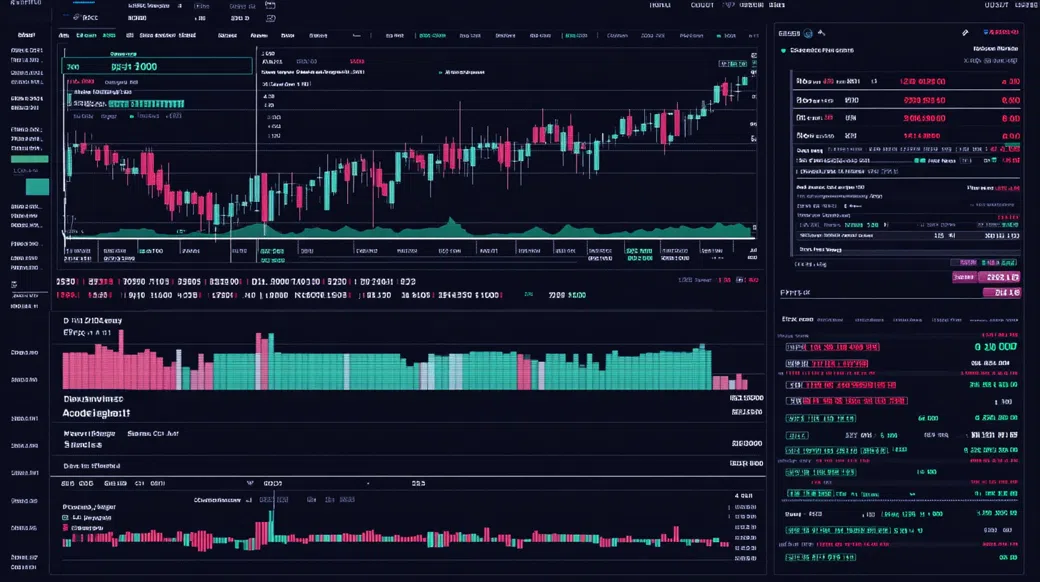
Multi-asset CFD trading with offshore-style leverage is the core pitch of Epargiance, built for traders who care more about execution and margin flexibility than about Tier‑1 badges. In my test account, the broker split pricing into a spread-only Standard tier and a tighter Raw/ECN-style option with commission—useful if you scalp around London/NY overlap. The lineup leans Forex-first but still covers indices, metals, oil, and big-name crypto CFDs. The platform stack is a proprietary WebTrader plus mobile apps; it’s functional, but you don’t get the deep plug-in ecosystem that comes with MT4/MT5. Biggest drawback: the dispute path and investor protections are lighter under an offshore registration model.
Epargiance looked operational and trade-capable in my hands-on checks, not like a “vanish after deposit” setup. That said, it runs under an offshore registration model (Mauritius FSC in the documentation I reviewed), so “safe” depends more on your risk controls than on regulator backstops.
What mattered most to me was process discipline. The provider required KYC before I could push the withdrawal request through—photo ID plus a proof of address under three months—which is consistent with AML expectations and reduces the “anonymous broker” risk. I also scanned for the usual red flags: aggressive sales calls, flashy “award” banners, and pressure to upsize leverage; none of that showed up during my test window, and the site language leaned more procedural than promotional. The offshore angle still changes the math: leverage is higher, complaint escalation is harder, and you typically don’t get the same compensation schemes seen in FCA/ASIC-type regimes. The broker references segregated client funds in its disclosures, which is a positive signal, but enforcement standards can vary by jurisdiction. CFDs are leveraged products; most retail accounts lose money, and capital is always at risk.
The platform generally accepts clients across parts of Latin America, MENA, and sections of Asia, with onboarding gated by KYC. The USA is blocked, and sanctioned/highly restricted jurisdictions are also excluded.
| Region | Status | Leverage Cap |
|---|---|---|
| Latin America (selected) | Accepted | Up to 1:500 |
| MENA (selected) | Accepted | Up to 1:500 |
| Southeast Asia (selected) | Accepted | Up to 1:500 |
| Europe (non‑EU, selected) | Accepted | Up to 1:500 |
| USA | Restricted | Not offered |
| Sanctioned jurisdictions | Restricted | Not offered |
Eligibility is enforced through a mix of residency declarations, document checks, and IP/phone verification patterns. Policies move with compliance pressure, so a country that works today can flip to “not offered” after an internal review.
From a trader’s point of view, this is a Forex-led CFD shelf with enough cross-asset exposure to build basic macro hedges (risk-on indices vs. gold, for example) without leaving the same account.
All exposure is via CFD contracts, not spot ownership. That means no shareholder voting on share CFDs, and no on-chain withdrawals for crypto—your P&L is price-based, with financing and margin mechanics in the background.
Costs are built around two lanes: Standard accounts pay via spread, while the Raw/ECN-style tier compresses spreads and adds commission. On EUR/USD I saw pricing that lands in the normal offshore-CFD band—good enough for active trading if you pick the right tier, not a miracle cure for bad entries.
| Asset | Spread/Fee | Market Average Comparison |
|---|---|---|
| EUR/USD (Standard) | from 1.4 pips | In line with typical spread-only CFD accounts |
| EUR/USD (Raw/ECN) | from 0.2 pips + $7 round-turn/lot | Competitive for commission models in this segment |
| Bitcoin (BTC/USD) | from $30 | Roughly average; widens around volatility spikes |
| Gold (XAU/USD) | from $0.35 | Slightly better than some spread-only peers |
| US500 Index | from 0.8 points | Within the normal range for CFD index pricing |
Non-spread costs that actually matter: Overnight swap/financing will show up fast if you hold leveraged FX or indices across sessions; I checked the swap panel before keeping positions open. Dormant accounts can be charged an inactivity fee of $10 per month after 90 days, which quietly drags returns for “set-and-forget” users. On funding rails, conversion costs apply if you deposit in one currency and margin-trade in another, and crypto CFD positions can carry weekend financing effects that widen the all-in cost. For the official schedule and current conditions, I cross-checked the fee page inside Epargiance after login.
WebTrader was stable across multiple sessions on my side, with no forced logouts while I kept charts open and jumped between instruments. Market/limit/stop orders were easy to find, and I could set stop-loss and take-profit at entry; execution felt consistent on liquid pairs during the NY morning, with only modest slippage when spreads flared around scheduled data. If you live inside MT4/MT5 custom indicators, you’ll feel the difference here—this platform is more “built-in toolkit” than “open ecosystem.”
The Epargiance app handled real-time quotes cleanly and mirrored the WebTrader watchlists, which matters when you’re managing risk away from the desk. I used biometric unlock on Android and the Epargiance login stayed sticky across restarts, while one-tap position close worked without extra confirmation steps. Deposits and withdrawal requests are accessible from the same menu, and push notifications can be toggled for price alerts—useful, though I’d like more granularity on alert conditions.
Charting covers the usual indicator set (MA, RSI, MACD, Bollinger) plus drawing tools for levels and trendlines. An economic calendar and a basic news feed are integrated, which is enough to avoid trading blind into CPI/FOMC, but it’s not a substitute for a dedicated research terminal. For systematic traders, the ceiling is clear: fewer automation paths than MT5/cTrader, so you’re trading discretion or semi-discretion here.
My onboarding started with a short form (email, phone, residency) and moved quickly into identity checks once I tried to unlock withdrawals. KYC required a government-issued photo ID and a recent proof of address (I used a bank statement), and verification cleared within the same business day. The workflow felt compliance-driven rather than “upload later,” which I prefer because it reduces last-minute friction when you want your funds back.
The phrase to remember for budgeting is “Epargiance minimum deposit = $200,” but your practical starting capital depends on the leverage you plan to use and the instruments you trade. Base currency options were standard for an international CFD setup; still, if you deposit in BRL or another local currency, watch the conversion spread and any card issuer fees.
I tested support with a practical question: how swaps are displayed and whether they can change intraday around rollovers. Live chat replied in about 3 minutes with a clear pointer to the contract-spec sheet and where the platform shows long/short financing. I also opened an email ticket asking about withdrawal processing steps after KYC; the written response landed roughly 9 hours later, confirming internal handling is typically 24–48 hours once documents are approved.
Coverage is the familiar 24/5 model, aligned to market hours, and the agent’s tone was more “help desk” than “sales.” Language depth depends on region; English was fine, and Portuguese wasn’t consistently available in my checks. Phone support wasn’t prominent on the site, so assume chat/email are the primary rails, with slower cadence on weekends when markets are shut.
If you’re considering the broker, start by checking the live spread panel on your target instruments and confirming your country eligibility before funding. A demo run can also tell you a lot about slippage, margin behavior, and whether the WebTrader workflow fits your style.
Visit EpargianceYes, it can work for beginners who stay small and use the demo first. The WebTrader is not overloaded, and the $200 entry point is manageable. Still, leverage up to 1:500 can magnify mistakes, so risk limits matter more than platform features.
Yes, crypto is available as CFDs, typically led by BTC/USD and ETH/USD. You’re trading price exposure with margin, not buying coins you can withdraw on-chain. Expect wider spreads during volatility and additional financing effects over weekends.
No, my test did not show classic scam behaviors like blocked withdrawals or heavy-pressure tactics. It operates under offshore registration (Mauritius FSC), which is a real caveat: protections and dispute routes are thinner than Tier‑1 regulators. Treat it as a high-risk CFD venue and size accordingly.
No, the USA is restricted and accounts are not offered there. The provider also blocks sanctioned jurisdictions and may limit other countries based on compliance rules. Check eligibility during signup because policies can change.
Most withdrawals start with 24–48 hours of internal processing after KYC is cleared. After that, card withdrawals typically land in 2–5 business days, bank wires in about 3–7 business days, and crypto transfers often arrive the same day. The exact timeline depends on method, banking hours, and verification status.
The Epargiance minimum deposit is $200 for the standard retail account setup I used. That’s enough to test order flow, but it doesn’t mean you should use maximum leverage. If you plan to hold positions overnight, budget for swap and volatility swings.
Yes, the broker offers mobile apps for iOS and Android alongside its WebTrader. You can monitor charts, place orders, and manage deposits/withdrawals from the phone. For active traders, the ability to close positions quickly is the key feature—not the indicator count.
Overall Score: 4.0/5
Spreads and execution were the deciding factors for me, and on the Raw/ECN-style tier the all-in pricing landed where an active CFD trader expects it to be. The $200 entry point, 1:500 leverage ceiling, and clean WebTrader/mobile pairing give Epargiance a practical edge for short-horizon strategies—especially if you don’t depend on MT4/MT5 add-ons. The non-negotiable reality is jurisdictional: offshore registration can limit formal recourse if things go wrong. Keep risk tight, and remember CFDs are leveraged; losses can exceed what most beginners anticipate.
Best for: active FX/index traders who want a Standard vs. Raw/ECN choice and can manage leverage professionally. Avoid if: you require Tier‑1 regulation, extensive research content, or a full MT4/MT5 automation ecosystem.