Fruit Avoirançe Review 2026: Is It Safe & Worth Your Money?
In-depth Fruit Avoirançe review updated for 2026. We tested spreads, key features, supported countries, and safety. Read our full verdict.

In-depth Fruit Avoirançe review updated for 2026. We tested spreads, key features, supported countries, and safety. Read our full verdict.
| Min Deposit | $200 |
| Max Leverage | 1:500 |
| Assets | Forex, Indices, Commodities, Crypto CFDs, Share CFDs |
| Platforms | WebTrader + iOS/Android apps |
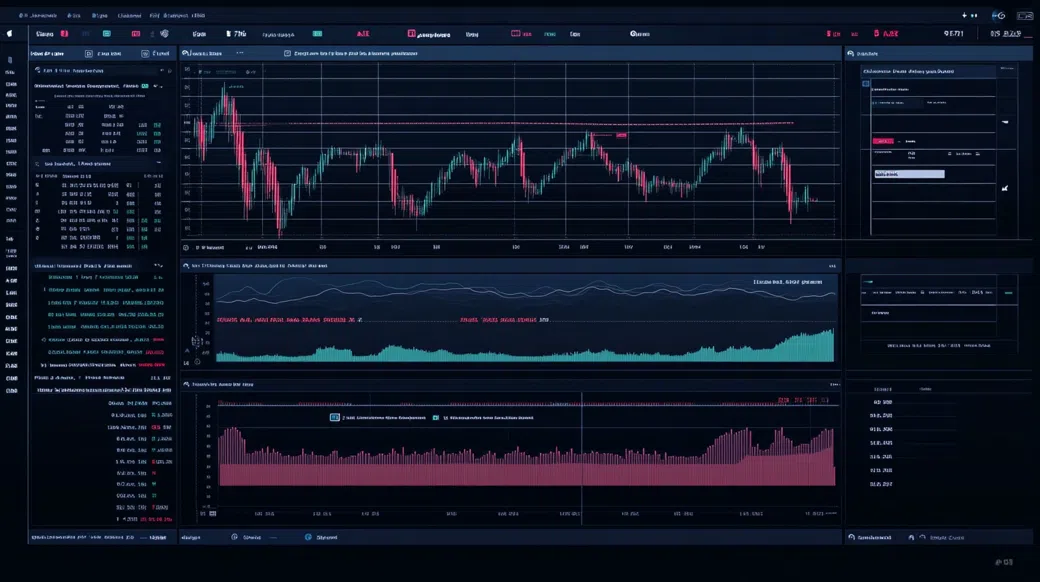
Built as a multi-asset CFD venue, Fruit Avoirançe targets traders who want flexible leverage and a clean WebTrader, with the obvious trade-off being an offshore framework rather than a top-tier license. In my 2026 check, the account menu split into a spread-only Standard tier and a tighter Raw/ECN-style option aimed at higher turnover. The instrument list leans Forex and index CFDs first, then adds crypto and a curated set of share CFDs. Execution on majors felt crisp enough for intraday work, but research depth is light and the platform ecosystem is smaller than MT4/MT5-heavy brokers. If you’re evaluating the basics—spreads, funding rails, and withdrawals—start with the live interface at Fruit Avoirançe.
Fruit Avoirançe looks operational and legitimate as a functioning CFD broker, not a “vanish-with-your-deposit” setup. The caveat is safety is capped by offshore oversight—so you’re relying more on the firm’s controls than on a strong regulator-backed safety net.
From a paperwork standpoint, the provider presented itself under a Mauritius FSC registration model in the legal footer and onboarding documents I reviewed. That matters: offshore regulation often goes hand-in-hand with higher leverage (here up to 1:500) and fewer formal compensation mechanisms if a dispute turns ugly. My red-flag scan focused on the stuff that usually breaks first—withdrawals, pressure from “account managers,” and flashy badges that don’t link to verifiable sources. I didn’t run into pushy sales tactics, and the withdrawal screen required completed KYC before submission, which is a positive friction point for AML. The site also referenced segregated client funds language, though—like most offshore brokers—this is a policy claim, not a government guarantee. Remember the product risk: CFDs are leveraged instruments, margin calls happen fast, and most retail traders lose money when sizing gets sloppy.
This broker generally accepts clients across parts of LATAM, MENA, and segments of Asia and Africa, depending on local rules. The USA is not supported, and sanctioned or heavily restricted jurisdictions are blocked.
| Region | Status | Leverage Cap |
|---|---|---|
| Latin America (selected countries) | Accepted | Up to 1:500 |
| MENA (non-sanctioned) | Accepted | Up to 1:500 |
| Southeast Asia (selected) | Accepted | Up to 1:500 |
| Sub-Saharan Africa (selected) | Accepted | Up to 1:500 |
| USA | Restricted | Not offered |
| Sanctioned jurisdictions | Restricted | Not offered |
Eligibility isn’t a checkbox you set once and forget: IP checks, document nationality, and proof-of-address screening all feed the final decision. Policies can shift quickly when compliance teams tighten country lists, so it’s worth confirming at signup before funding.
The lineup is Forex-led, with indices and metals doing the heavy lifting for macro traders; crypto CFDs are there for volatility, not for long-term custody. If your workflow is “FX majors + a couple of indices,” the coverage is more than adequate.
All exposure here is via CFDs, so you’re trading price movement, not owning the underlying asset. That means no shareholder voting, no on-chain withdrawals for crypto, and “dividends” on share CFDs are typically handled as cash adjustments.
Fruit Avoirançe fees follow a two-tier structure: Standard accounts pay via the spread, while the Raw/ECN-style account compresses spreads and adds a per-lot commission. On EUR/USD, the Standard pricing starts around 1.5 pips, and the Raw side can print near 0.2 pips plus commission—broadly in line with offshore CFD peers.
| Asset | Spread/Fee | Market Average Comparison |
|---|---|---|
| EUR/USD (Standard) | From 1.5 pips | In line |
| EUR/USD (Raw/ECN) | From 0.2 pips + $7 round-turn/lot | Competitive |
| Bitcoin (BTC/USD) | From $38 | Slightly better than average |
| Gold (XAU/USD) | From $0.28 | In line |
| US500 Index | From 0.8 points | In line |
Beyond spreads, the real P&L leak is financing. Swap/overnight fees apply when you carry CFDs past rollover, and crypto positions tend to pick up extra weekend financing that punishes “hold and hope.” I also noted an inactivity fee of $10 per month after 90 days with no trading activity, which matters if you park an account between macro cycles. Withdrawals can be free on some rails, but card processors and bank intermediaries may still clip you, and currency conversion costs show up fast if you fund in BRL or EUR while the account base is USD.
On desktop, the WebTrader loaded consistently and stayed stable across repeated sessions, including the NY overlap when quotes update aggressively. Order tickets supported market and pending orders with SL/TP controls; I used a small EUR/USD position to check fill quality around a data release and saw minor slippage rather than a “frozen” ticket. If you live inside the MT4/MT5 plugin universe (EAs, custom indicators, trade copiers), this service feels narrower—functional, but not an ecosystem.
The Fruit Avoirançe app is more than a companion: quotes, charts, and full trade management are available, and the deposit/withdrawal tabs sit one layer from the main screen. The Fruit Avoirançe login supported biometric unlock on my device, and push alerts for price levels were easy to set, which helps if you trade indices around US cash open. One-tap close worked cleanly, though chart drawing tools are naturally tighter on mobile than on desktop.
Charting covers the basics—multiple timeframes, popular indicators (RSI, MACD, moving averages, Bollinger-style bands), plus drawing tools for structure. There’s an economic calendar and a news feed good enough for “what’s next on the tape,” but it won’t replace a dedicated research terminal. For systematic traders, the limitation is less about indicators and more about automation options compared with MT5 or cTrader.
A clean onboarding funnel matters, and here the signup screens asked for the usual: email, phone, residency, and a short suitability-style prompt before the dashboard opened. KYC was not optional in practice—I uploaded a government photo ID and a recent bank statement (under three months) and got verification approval the same business day. The compliance flow felt structured rather than improvised, which I prefer when you later request a withdrawal.
My first funding was via USDT, credited quickly after network confirmation and reflected immediately in free margin. If you prefer cards, expect issuer-side checks; if you prefer wires, plan for longer settlement windows. For readers searching “Fruit Avoirançe broker review 2026,” the practical takeaway is simple: the workflow is designed to get you trading fast, but identity checks will surface before you can pull money out.
I tested live chat with a specific question: whether swap rates were visible before holding XAU/USD overnight, and how the Raw/ECN commission is charged on partial closes. The chat agent answered in about 3 minutes with a clear pointer to the contract-spec screen and confirmed the $7 round-turn commission is proportional when you scale out. For a paper trail, I also sent an email asking about Fruit Avoirançe withdrawal timing for cards versus crypto; the ticket reply landed roughly 9 hours later with method-by-method estimates.
Support coverage ran on a 24/5 cadence, which is the minimum bar for FX-focused brokers. Language availability felt region-dependent—English was solid, and I saw Portuguese/Spanish options in the menu, though I’d still expect escalations to revert to English. Phone support wasn’t prominent, so treat the platform as chat-and-email first, with slower pacing on weekends.
If you’re curious, start by comparing spreads on your usual instruments and checking whether your country is eligible before funding. A demo run can reveal a lot—order ticket logic, swap visibility, and how margin behaves at 1:500 leverage—without committing real capital.
Visit Fruit AvoirançeYes, if you keep position sizes small and actually use the demo first. The WebTrader is not intimidating, and the Standard account avoids commission math. The weak spot for brand-new traders is leverage: 1:500 can amplify mistakes faster than most people expect.
Yes, crypto is available as CFDs, with BTC and ETH as the main contracts. You’re trading price exposure, not receiving coins to a wallet. Financing can be meaningful on weekends, so check the contract specs before holding.
No—based on my hands-on checks, it behaved like a functioning offshore CFD broker, including KYC enforcement and a working withdrawal flow. That said, offshore registration means fewer formal investor protections than Tier-1 regulators. Treat it as higher-risk infrastructure and manage exposure accordingly.
No, the USA is restricted. If you try to register with US residency, you’ll typically be blocked during onboarding or at KYC. US traders generally need a CFTC/NFA-regulated venue, not an offshore CFD provider.
Most withdrawals are processed internally within 24–48 hours after KYC is complete. Receipt time depends on the rail: cards commonly take 2–5 business days, bank wires 3–7 business days, and crypto can land the same day within a few hours. In my test, USDT arrived after the broker’s approval window plus network confirmation.
The Fruit Avoirançe minimum deposit is $200. That’s enough to open a Standard account and test small sizes, but it’s not enough to responsibly run high leverage unless you keep margin usage conservative. If you plan to trade indices or crypto, more buffer helps.
Yes, it offers iOS and Android apps for trading and account management. You can place orders, manage stops, and handle deposits/withdrawals from the phone. Biometric login support is a plus if you’re monitoring positions on the move.
Overall Score: 4.1/5
What decides this one is pricing flexibility: the Raw/ECN-style tier (0.2 pips on EUR/USD plus $7 round-turn) gives active traders a measurable edge versus spread-only routing, while the Standard account keeps things simple. The platform won’t satisfy automation purists, but for discretionary CFD trading it does the job, and my crypto withdrawal hit within the stated window. Offshore status remains the big “so what”—you’re not getting Tier-1-style backstops, so size accordingly and respect margin. For a current snapshot, I’d re-check terms directly on Fruit Avoirançe.
Best for: active FX/index traders who want a Raw-style cost model and can manage leverage risk. Avoid if: you need Tier-1 regulation, deep research, or MT4/MT5 automation.