Haute Mondrève Review 2026: Is It Safe & Worth Your Money?
In-depth Haute Mondrève review updated for 2026. We tested spreads, key features, supported countries, and safety. Read our full verdict.

In-depth Haute Mondrève review updated for 2026. We tested spreads, key features, supported countries, and safety. Read our full verdict.
| Min Deposit | $200 |
| Max Leverage | 1:500 |
| Assets | Forex, Indices, Commodities, Crypto CFDs, Share CFDs |
| Platforms | Proprietary WebTrader, iOS app, Android app |
Positioning itself as an offshore CFD venue, Haute Mondrève targets traders who want leverage and multi-asset access in one screen, with the trade-off being lighter investor-protection plumbing than a Tier-1 broker. My test account landed with two clear pricing lanes (spread-only Standard and a Raw/ECN-style option), and the product menu leaned liquid: majors, US indices, gold, plus the usual large-cap crypto CFDs. The stack is proprietary—WebTrader plus mobile—which is convenient, but it also means you’re not stepping into the MT4/MT5 plugin universe. If you can price risk first and story later, Haute Mondrève is more about execution and margin efficiency than education.
Haute Mondrève looked operational and tradeable in my checks, not a “vanish after deposit” operation. That said, it sits in an offshore framework, so “safe” depends more on your own risk limits and process discipline than on regulator backstops.
The account I opened routed onboarding through standard AML gates: email/phone verification first, then full KYC before withdrawals. The legal footer and client-area docs pointed to a Mauritius FSC registration model, which typically allows higher leverage but offers fewer formal safety nets if you end up in a dispute. I scanned for the classic red flags—aggressive “account manager” pressure, suspicious trophies, forced bonuses—and didn’t get hard-sold; the promo prompts were present but not coercive. On safeguards, the provider markets segregated client funds and negative balance protection for retail profiles, though offshore status means enforcement can be less predictable than in the UK/EU. Keep the product reality in mind: CFDs are leveraged instruments; margin calls happen fast, and most retail traders lose money when risk controls are loose.
This broker accepts clients across a mix of LATAM, parts of Europe, and several emerging-market corridors, while blocking the USA and sanctioned jurisdictions.
| Region | Status | Leverage Cap |
|---|---|---|
| Latin America (select countries) | Accepted | Up to 1:500 |
| Europe (non-EU/EEA) | Accepted | Up to 1:500 |
| MENA (select countries) | Accepted | Up to 1:500 |
| Southeast Asia (select countries) | Accepted | Up to 1:500 |
| USA | Restricted | Not offered |
| Sanctioned jurisdictions | Restricted | Not offered |
Eligibility isn’t just a dropdown choice: IP checks and KYC nationality/address matching can trigger a block at signup or before first withdrawal. Country coverage can also shift with compliance policy, so confirm your region inside the client area before funding.
The lineup is built for fast-moving CFD traders: liquid benchmarks first, then a thinner layer of single-name share CFDs. If your playbook is macro (rates, USD, commodities) or index momentum, the catalog makes sense.
All exposure here is via CFD contracts, not underlying ownership. That means no shareholder voting rights, no real crypto withdrawals to a wallet, and “dividends” are typically reflected as cash adjustments rather than actual corporate distributions.
Costs hinge on account type: Standard is spread-only, while the Raw/ECN-style tier compresses spreads and adds a per-lot commission. On EUR/USD, the pricing I saw sits in the middle of the offshore CFD pack—competitive if you’re active, merely average if you trade small and infrequently.
| Asset | Spread/Fee | Market Average Comparison |
|---|---|---|
| EUR/USD (Standard) | From 1.6 pips | In line with typical offshore spread-only accounts |
| EUR/USD (Raw/ECN) | From 0.2 pips + $7 round-turn/lot | Competitive for active traders; commission is standard for the segment |
| Bitcoin (BTC/USD) | From $30 spread (variable) | Roughly average; widens on volatility spikes and weekends |
| Gold (XAU/USD) | From $0.30 (30 cents) | Near market norms for CFD pricing |
| US500 Index | From 0.8 points | Comparable to multi-asset CFD brokers |
Non-spread costs that matter: swaps/overnight financing were visible in the instrument specs and can dominate P&L for multi-day holds, especially on indices and FX. The platform also applies an inactivity fee of $10 per month after 90 days dormant, which is a real drag for low-touch accounts. On funding rails, watch conversion: if you deposit in a currency that doesn’t match your base wallet, you’re effectively paying a hidden spread on FX. For withdrawals, I didn’t see a “platform fee” line item, but card issuers and banks can still clip you on their side.
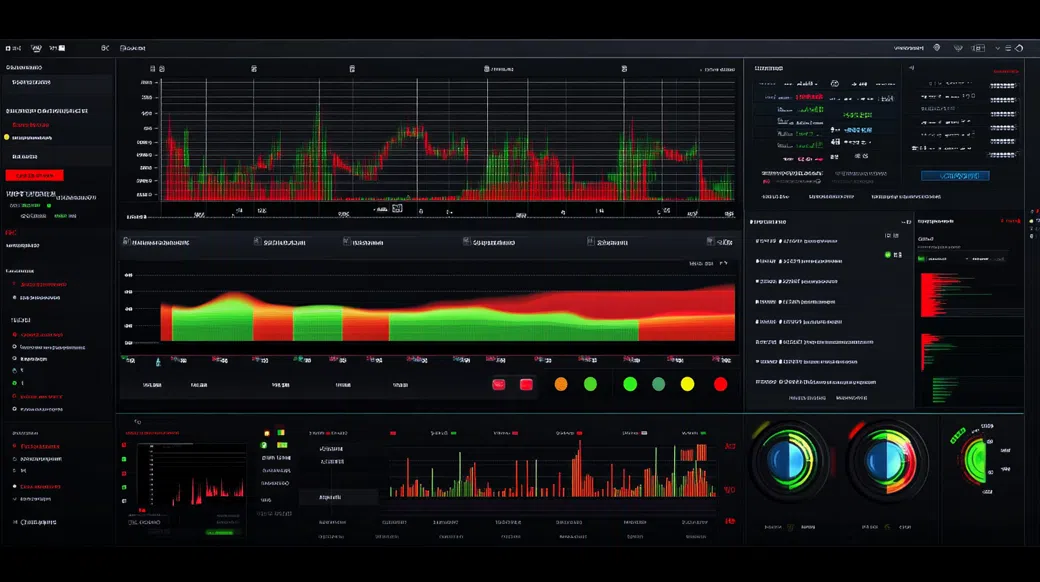
On desktop, the WebTrader held up under repetitive logins and chart switching without the “frozen ticket” feel some white-label terminals get. Order tickets covered market and pending orders, with stop-loss and take-profit embedded, and execution on EUR/USD during the London open was consistent with what you’d expect from a CFD model (no guaranteed fills, but no weird re-quotes loop either). If you live inside MT4/MT5 EAs and custom indicators, this proprietary environment will feel slimmer—functional, not an ecosystem.
The Haute Mondrève app mirrors the web layout closely, which lowers the learning curve when you move from laptop to phone. The Haute Mondrève login supported biometric unlock on my device, and I could manage deposits and withdrawals without jumping to a browser. Quotes stayed live, one-tap close was available, and push notifications worked for price alerts—handy during the NY overlap when volatility compresses then breaks. My main gripe: chart real estate is tight, so multi-timeframe analysis is better done on desktop.
Charting includes the staples—MA, RSI, MACD, Bollinger—and enough drawing tools for clean levels and trendlines. There’s an economic calendar and a lightweight news feed that’s useful for “what’s next on the tape,” but it won’t replace a dedicated research terminal. Alerting and watchlists do the job; just don’t expect cTrader-grade depth or MT5-style strategy tooling baked in.
From the first screen, the signup flow asked for the essentials (email, phone, country, basic profile questions) and then pushed into identity verification once I tried to unlock full funding/withdrawal permissions. KYC required a government photo ID plus proof of address (bank statement or utility bill dated within three months). My verification cleared the same business day after upload, and the client area showed AML status clearly so I wasn’t guessing what was pending.
One practical note for LATAM traders: base-currency choices can influence your all-in cost if you’re depositing BRL or MXN via a card that settles in USD. I funded the test wallet via USDT to avoid card FX, and the balance updated after network confirmations with a clear receipt trail inside the platform. For a deeper look at the onboarding screens and account tiers, the quickest path is inside Haute Mondrève itself.
Support quality showed up where it matters: when money is trying to leave. I used live chat to ask about Haute Mondrève withdrawal timing and whether KYC was required before the first cash-out; the agent responded in roughly three minutes and pointed me to the internal processing window (24–48 hours after verification). I then opened an email ticket requesting the swap rate source for XAU/USD; the reply landed in about nine hours with a link to the symbol specification page and a short explanation of triple-swap days.
Coverage ran on a 24/5 rhythm, which matches the FX week rather than full crypto-weekend staffing. Language availability looked region-dependent (English was fine; Portuguese options appeared in the help menu but not for every queue). Phone support wasn’t prominently marketed in my region, so assume chat/email are the main rails unless your account tier unlocks something else.
If you’re considering this broker, start by checking pricing on your core instruments and verifying your country eligibility inside the client portal. A demo run helps you map spreads, margin impact, and order behavior before you commit real capital—especially with leverage up to 1:500.
Visit Haute MondrèveIt can be, but only if you treat it as a trading tool—not a classroom. The interface is simple enough and the $10,000 demo helps, yet the leverage (up to 1:500) punishes sloppy sizing. Beginners should keep position sizes small and learn margin mechanics first.
Yes, crypto trading is available via crypto CFDs like BTC/USD and ETH/USD. You’re speculating on price movements, not buying coins to withdraw on-chain. Weekend financing and spread widening are the two costs to monitor most closely.
No—based on my account test, it operated like a functioning offshore CFD broker, with KYC checks and a usable withdrawal workflow. The “scam” question usually comes down to expectations: offshore registration means fewer formal protections than Tier-1 regulators provide. Manage risk accordingly and document every deposit/withdrawal step.
No, Haute Mondrève is not offered to USA residents. The platform blocks US onboarding as part of its regional restrictions. If you’re in the US, you’ll need a broker authorized under local rules.
Most withdrawals clear internal processing in 24–48 hours once KYC is approved. After that, delivery depends on the rail: cards typically take 2–5 business days, bank wires 3–7 business days, and crypto transfers are often the same day. Your bank or wallet provider can add extra time.
The minimum deposit is $200. That threshold is enough to open a Standard account and test small sizes, but it’s still real risk capital in a leveraged CFD setup. If you’re new, consider using the demo first to understand margin and swaps.
Yes, it offers iOS and Android apps alongside the WebTrader. The mobile build supports core order types, account management, and funding/withdrawal access. For detailed chart work, desktop remains the cleaner workspace.
Overall Score: 4.0/5
Execution and cost structure are the two reasons traders will keep this one on the shortlist. In my workflow, the Standard vs. Raw/ECN-style split made it easy to match pricing to trade frequency, and the WebTrader/mobile pairing stayed stable across sessions. Where I stay cautious is the offshore wrapper: if something goes wrong, escalation paths are thinner than with Tier-1 regulation, so you need tight risk limits and clean documentation. Used with discipline, Haute Mondrève fits traders who prioritize liquid CFDs over “bells-and-whistles” research. CFDs are leveraged; capital is at risk.
Best for: active CFD traders in accepted regions who want multi-asset access and can quantify total cost (spread + commission + swaps). Avoid if: you require Tier-1 regulatory protection, intend to invest long-term in real shares/crypto, or tend to overuse leverage.