Index iPlex 200 Trading Platform Alternatives 2026
Compare Index iPlex 200 alternatives for 2026: regulated brokers, platform stacks, fees, execution quality, and migration steps for US/EU-focused traders.

Compare Index iPlex 200 alternatives for 2026: regulated brokers, platform stacks, fees, execution quality, and migration steps for US/EU-focused traders.
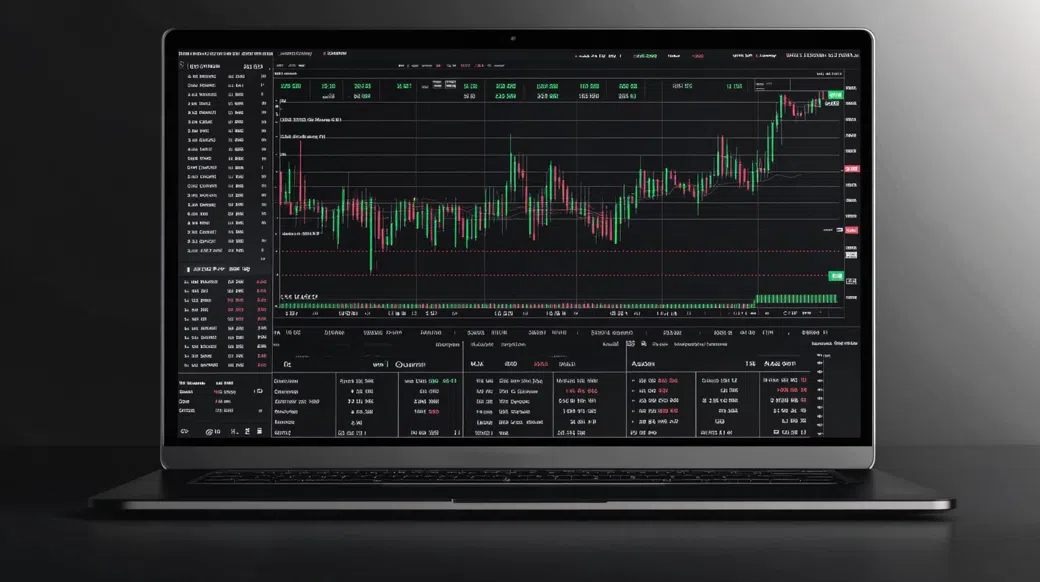
Spreads are a tax you pay every time you click. If you’re running a short-term FX book—20 trades a week, one-lot sizing—the difference between 2.0 pips and 0.7 pips is not “marketing,” it’s a line item in your P&L. That’s the lens I use for this review of Index iPlex 200 and the most credible Index iPlex 200 alternatives for 2026.
Index iPlex 200 appears positioned in the offshore CFD lane: a proprietary WebTrader, mobile apps, and a menu that typically centers on FX and CFDs (with crypto CFDs commonly nearby). Public-facing information for this category of provider tends to be lighter than what you get from FCA- or NFA-supervised firms, so the practical question becomes less about “features” and more about verifiability: licensing clarity, client-fund handling, and how disputes are handled when withdrawals or slippage go wrong.
Traders usually start exploring Index iPlex 200 alternatives when they need tighter execution (STP/ECN/DMA access), better platform tooling (MT4/MT5/cTrader), or a clean path to real stocks/ETFs instead of stock CFDs. US residents should also note that platforms in this segment frequently restrict the USA entirely, and the compliance posture around KYC/AML can vary meaningfully by jurisdiction.
Disclaimer: This article is for informational purposes only and does not constitute investment advice. CFDs and other leveraged products carry a high risk of loss and may not be suitable for all investors.
From a desk-analyst perspective, Index iPlex 200 looks like a CFD-first brokerage offering access to leveraged trading through an offshore framework under the Seychelles FSA. The typical customer profile is the retail trader who wants fast onboarding, a single web interface, and higher leverage than what EU/UK rules allow. Based on what’s commonly observable in this segment, expect coverage focused on forex pairs, major indices, a handful of commodities, and a crypto CFD list—rather than a full multi-asset lineup with cash equities, options, or exchange-traded futures. If you’re comparing brokers similar to Index iPlex 200, the key distinction is transparency: top-tier firms publish execution policies, disclose conflicts, and sit under regulators with enforceable consumer rules.
The platform stack is typically a proprietary WebTrader with a companion iOS/Android app. Charting is usually functional (multiple timeframes, basic indicators, drawing tools), but it rarely matches the depth of MT5 or institutional-grade platforms for workflow speed. Order tickets in this category often cover market and pending orders, with stop-loss and take-profit controls; advanced order types (like server-side trailing stops, partial fills analytics, or detailed depth-of-market) can be limited. Mobile parity is usually decent for monitoring and basic execution, while heavier tasks—multi-chart layouts, systematic rule testing, or granular trade logs—tend to be easier on desktop. Account dashboards commonly show margin usage, equity, open P&L, and a simplified funding/withdrawal path.
For costs, the clean way to think is: what’s the typical round-trip in pips or dollars? In this offshore CFD bracket, a Standard-style account often quotes EUR/USD around 2.0 pips. Some firms advertise “raw” pricing where spreads can compress (often 0.0–0.4 pips) but then add a commission, commonly in the ballpark of $6–$8 per round turn per standard lot. Overnight financing (swap) is a real cost center for CFD holding periods beyond a day, and it’s where fee opacity hurts. Also watch for non-trading fees—withdrawal charges, currency conversion markups, and inactivity fees—because competitors to Index iPlex 200 under strict regulators tend to document these items more clearly.
The first red flag I watch is mismatch between strategy and plumbing. A tight intraday approach does not tolerate wide spreads, inconsistent fills, or vague execution disclosures—and those friction points are exactly why Index iPlex 200 alternatives enter the conversation. Regulation also matters, but not as a slogan: it affects how client money is held (segregated client funds), what happens in a dispute, and whether negative balance protection is mandated. Finally, asset access can become a ceiling: traders who start in CFDs often graduate into real stocks/ETFs or exchange-listed futures once position sizing grows.
Think of broker selection like a risk-budget decision: you’re not only choosing charts and spreads, you’re choosing a legal framework, an execution model, and operational reliability. Alternatives to the Index iPlex 200 trading platform should be filtered through “can I verify it?” before you even compare pricing. After that, match the broker’s market access and tools to your strategy, then stress-test the funding/withdrawal flow with a small amount.
For US/EU readers, FCA, ASIC, CySEC, and NFA oversight changes the game because rules are enforceable and public. In the UK, the FSCS can cover eligible clients up to £85,000 if an FCA-regulated firm fails; in Cyprus, the ICF coverage can reach up to €20,000 for eligible retail clients. Segregated client funds, clear complaints procedures, and negative balance protection (common in EU/UK retail CFDs) reduce tail risks that offshore setups may not structurally address.
Start with what you actually need to trade. If your edge is in FX and index CFDs, an FX/CFD specialist may be enough. If you want real stocks and ETFs (with corporate actions, voting rights, and the ability to transfer positions), look for a multi-asset broker built around cash products and DMA routing. Platforms like Index iPlex 200 often focus on CFDs; regulated alternatives can extend into options, futures, and bonds depending on jurisdiction and account type.
Ignore “from 0.0 pips” headlines until you compute round-turn cost. For example, a raw account might show 0.1–0.3 pips on EUR/USD but add commission; a standard account might show ~0.8–1.2 pips with no separate ticket fee. Then layer in swap/overnight financing (critical for swing trades), plus non-trading charges like inactivity and withdrawals. In active strategies, 0.5 pip per trade can be the difference between positive expectancy and grind-down.
Tooling is not cosmetic—it’s risk control. MT4/MT5 and cTrader support broader indicator ecosystems, EAs, and more granular order handling than many proprietary WebTrader builds. Execution model matters too: market maker pricing can be fine for some traders, but STP/ECN/DMA-style routing tends to be more transparent about slippage and liquidity. If you’re evaluating regulated options vs Index iPlex 200, ask how the broker handles requotes, partial fills, and volatile-market execution.
Operational quality shows up on the worst day, not the best day. Check support hours across time zones, language coverage, and whether you can reach a real person when a margin call hits. Education isn’t just “videos”—it’s platform documentation, margin policy clarity, and risk tools that prevent accidental over-leverage. Mobile apps should match core desktop functionality for monitoring, alerts, and position management, especially if you trade around macro headlines.
In FX/CFDs, the comparison is mostly arithmetic: spreads, commissions, and execution. Index iPlex 200 in this category typically runs a proprietary platform with EUR/USD around 2.0 pips on a standard setup and leverage often marketed near 1:500—powerful, but unforgiving when volatility spikes. Traders who prioritize tighter pricing and better tooling usually gravitate to Pepperstone or IC Markets, where Raw-style accounts can price EUR/USD near 0.0–0.3 pips plus commission, and platforms like MT4/MT5/cTrader support automation and more robust trade management. The execution-model nuance matters: when your stop gets filled during a fast candle, slippage policies and liquidity routing decide whether your risk limits behave as expected. That’s why “competitors to Index iPlex 200” isn’t just a list—it’s a search for more predictable microstructure.
This is where many offshore CFD platforms hit a ceiling. With Index iPlex 200, stock exposure is typically offered as CFDs (price tracking without ownership), meaning no shareholder rights and different financing/overnight cost dynamics. If you’re US/EU-focused and want real equities and ETFs—especially for longer holding periods—the cleaner substitutes for Index iPlex 200 are multi-asset brokers with DMA access. Interactive Brokers (IBKR) is built for broad market reach: stocks, ETFs, options, futures, bonds, and FX, with professional-grade reporting. Saxo Bank is another strong choice for global multi-asset access, with robust order types and portfolio tools. For traders coming from a CFD-only environment, that shift matters: you’re moving from leveraged synthetic exposure to cash products where fees, taxation, and corporate actions behave differently.
Crypto is often available on offshore CFD menus, but it’s usually crypto CFDs—price exposure, not on-chain ownership, and not a wallet you can withdraw to. That distinction becomes critical during high-volatility regimes: CFD margin rules, weekend pricing, and financing charges can dominate returns. If you want regulated crypto CFD exposure within a stricter framework, IG and Plus500 are commonly used in eligible regions, offering crypto CFDs alongside index/FX CFDs with clearer risk disclosures and standardized KYC/AML. Traders who only need directional exposure may be fine with CFDs, but those who want spot ownership and transfers should consider dedicated crypto exchanges (a different risk stack entirely). For most risk-managed portfolios, “top substitutes for Index iPlex 200” in crypto means better disclosure, lower operational uncertainty, and clearer product labeling.
Regulation: SEC/FINRA (US), FCA (UK), IIROC (Canada)
Markets: Stocks, ETFs, options, futures, FX, bonds
Fees: FX spreads often from ~0.1–0.6 pips (plus commissions depending on schedule); equities priced per-share or tiered
Platform: Trader Workstation (TWS), IBKR Desktop/Web, mobile app, APIs
Best For: Multi-asset traders who want real market access and deep reporting
Regulation: FCA (UK), ASIC (Australia), CySEC (EU), DFSA (Dubai)
Markets: FX and CFDs (indices, commodities, some shares CFDs)
Fees: Standard spreads often ~1.0–1.2 pips on EUR/USD; Raw/Razor-style pricing can be ~0.0–0.3 pips + commission
Platform: MT4, MT5, cTrader, TradingView integrations (region-dependent), mobile apps
Best For: Scalpers and algorithmic traders focused on execution and tooling
Regulation: FCA (UK), MAS (Singapore), DFSA (Dubai)
Markets: Stocks, ETFs, options, futures, FX, bonds, CFDs
Fees: FX spreads typically from ~0.6–1.2 pips depending on tier; commissions apply on exchange-traded products
Platform: SaxoTraderGO, SaxoTraderPRO
Best For: Portfolio-style investors who want strong platform UX and global markets
Regulation: ASIC (Australia), CySEC (EU), FSA (Seychelles, group-level)
Markets: FX and CFDs (indices, commodities, crypto CFDs in some regions)
Fees: Raw spreads often ~0.0–0.3 pips on EUR/USD + commission; Standard accounts commonly ~0.8–1.2 pips
Platform: MT4, MT5, cTrader, mobile apps
Best For: High-frequency FX traders who optimize for tight spreads
Regulation: FCA (UK), ASIC (Australia), MAS (Singapore)
Markets: CFDs (FX, indices, commodities, shares CFDs), spread betting (UK/IE where eligible)
Fees: FX spreads often from ~0.6–1.2 pips (pair/region dependent); financing applies on CFD holds
Platform: IG web platform, mobile app, MT4 (availability varies)
Best For: Macro-driven CFD traders who want a long-established regulated venue
Regulation: FCA (UK), CySEC (EU), ASIC (Australia), MAS (Singapore)
Markets: CFDs (FX, indices, commodities, shares CFDs, crypto CFDs in eligible regions)
Fees: Costs embedded in spreads; EUR/USD often around ~0.8–1.5 pips depending on conditions; overnight fees apply
Platform: Plus500 proprietary WebTrader and mobile app
Best For: Simplicity-first users who prefer a clean CFD interface
| Platform | Regulation | Main Markets | Typical Costs | Best For |
|---|---|---|---|---|
| Interactive Brokers (IBKR) | SEC/FINRA, FCA, IIROC | Stocks/ETFs, options, futures, FX, bonds | FX ~0.1–0.6 pips + commissions (schedule-based) | Multi-asset traders who want real market access and deep reporting |
| Pepperstone | FCA, ASIC, CySEC, DFSA | FX + CFDs | Raw ~0.0–0.3 pips + commission; Standard ~1.0–1.2 pips | Scalpers and algorithmic traders focused on execution and tooling |
| Saxo Bank | FCA, MAS, DFSA | Stocks/ETFs, options/futures, FX, CFDs | FX ~0.6–1.2 pips by tier; exchange commissions apply | Portfolio-style investors who want strong platform UX and global markets |
| IC Markets | ASIC, CySEC (plus FSA Seychelles group-level) | FX + CFDs | Raw ~0.0–0.3 pips + commission; Standard ~0.8–1.2 pips | High-frequency FX traders who optimize for tight spreads |
| IG | FCA, ASIC, MAS | CFDs (FX, indices, commodities, shares CFDs) | FX often ~0.6–1.2 pips; financing on holds | Macro-driven CFD traders who want a long-established regulated venue |
| Plus500 | FCA, CySEC, ASIC, MAS | CFDs across major asset classes | Spread-only pricing; EUR/USD ~0.8–1.5 pips; overnight fees | Simplicity-first users who prefer a clean CFD interface |
Switching platforms is operational risk, not just admin. Treat the move like a controlled cutover: verify regulation, set up the new account, then unwind exposure and cashflows in a sequence that doesn’t leave you trapped mid-withdrawal. If you’re coming from Index iPlex 200 with high leverage (often marketed around 1:500 in this segment), reduce position sizes before the transition—margin errors during a transfer week are an expensive lesson.
If you’re comparing Index iPlex 200 alternatives, it still helps to verify the current onboarding flow, fees, and regional restrictions at the source before making a decision. Review the platform stack, read the withdrawal terms, and compare your expected monthly trading cost side-by-side with regulated substitutes.
Visit Index iPlex 200The best alternative depends on whether you need real multi-asset access or just better FX/CFD execution. For real stocks/ETFs plus futures/options, Interactive Brokers (IBKR) is hard to beat on breadth and reporting. For FX-focused trading with MT4/MT5/cTrader and sharper pricing, Pepperstone or IC Markets are typically stronger Index iPlex 200 alternatives for 2026.
Index iPlex 200 appears to operate under an offshore framework (commonly seen under Seychelles FSA for this category), which generally provides fewer investor-protection mechanisms than FCA/NFA-supervised firms. That doesn’t automatically mean a trader will have a bad experience, but it does raise the bar for how carefully you validate withdrawals, fund segregation language, and dispute processes. If safety is the priority, regulated options vs Index iPlex 200 are usually the more defensible choice for US/EU retail users.
With platforms like this, stocks and indices are typically offered as CFDs rather than as real exchange-traded assets, and exchange-listed futures are often not part of the core lineup. Crypto exposure, when offered, is commonly via crypto CFDs (price exposure without on-chain ownership). If you need real stocks/ETFs or futures, brokers similar to Index iPlex 200 won’t match what IBKR or Saxo provide in those markets.
Before switching, confirm the new broker’s legal entity on the regulator’s register and read the execution and fee disclosures end-to-end. Next, complete KYC at the new broker, then export your full trade and funding history from Index iPlex 200 for taxes and reconciliation. Finally, test deposits/withdrawals with a small amount and validate how margin calls, negative balance protection, and slippage handling work under stress.
About the Author: Carlos Mendes is a former equity desk analyst from São Paulo who covers emerging-market brokerages and Latin American fintech with a trader’s bias for measurable inputs—spreads, slippage, and balance-sheet-level safeguards. He focuses on what can be verified: regulation, execution terms, and the real cost of trading over time.