Iron Fundalis Review 2026: Is It Safe & Worth Your Money?
In-depth Iron Fundalis review updated for 2026. We tested spreads, key features, supported countries, and safety. Read our full verdict.

In-depth Iron Fundalis review updated for 2026. We tested spreads, key features, supported countries, and safety. Read our full verdict.
| Min Deposit | $200 |
| Max Leverage | 1:500 |
| Assets | Forex, Indices, Commodities, Crypto CFDs, Share CFDs |
| Platforms | Proprietary WebTrader + iOS/Android app |
Built for retail CFD traders who want multi-asset access with punchy leverage, Iron Fundalis fits best if you can price risk yourself—and accept an offshore rulebook as the cost of that flexibility. In my 2026 test, the account menu split neatly into a spread-only entry tier and a tighter Raw/ECN-style option aimed at higher turnover. The lineup leans practical: majors in FX, the big equity indices, metals, and liquid crypto CFDs rather than obscure corners. Execution and charts sit inside a browser-based terminal plus mobile, with the main compromise being investor protections you’d typically expect under stricter regulators; start by reading the fine print on funding and withdrawals at Iron Fundalis.
Iron Fundalis looked operational and consistent in my tests—deposits posted cleanly, trades executed, and a withdrawal request went through—but it’s not the same safety profile as a top-tier regulated broker. The key caveat is that the provider operates under an offshore framework, which changes what “protection” means in a dispute.
Regulatory context matters more than branding, so I started by checking the stated registration footprint and the compliance steps inside the client area. The broker presented itself under a Mauritius FSC-style offshore model, and the onboarding flow pushed KYC early: government photo ID plus a proof of address dated within three months. That’s a constructive sign for AML discipline, even if it doesn’t replicate UK/EU-style compensation schemes. Offshore status usually comes with the upside (higher leverage, looser product limits) and the downside (fewer formal channels if something goes wrong, and less standardized negative-balance enforcement). I scanned for retail red flags—overheated “award” banners, aggressive sales calls, withdrawal friction—and didn’t get pressured after opening the account. The site language referenced segregated client funds, but as always, you’re trusting the broker’s operational controls. CFDs are leveraged products; most retail accounts lose money, and you can burn through margin fast when volatility spikes.
The platform is broadly open to international clients across parts of LATAM, Africa, and Asia, while residents of the USA and sanctioned jurisdictions are blocked. Availability is jurisdiction-sensitive, so your exact leverage and products can change by country.
| Region | Status | Leverage Cap |
|---|---|---|
| Latin America (selected) | Accepted | Up to 1:500 |
| Southeast Asia (selected) | Accepted | Up to 1:500 |
| Middle East & North Africa (selected) | Accepted | Up to 1:500 |
| Sub-Saharan Africa (selected) | Accepted | Up to 1:500 |
| Europe (non-EU, selected) | Accepted | Up to 1:200 |
| USA | Restricted | Not offered |
| Sanctioned jurisdictions | Restricted | Not offered |
In practice, the gatekeeping happens through a mix of signup declarations, IP checks, and KYC verification before withdrawals. If you travel or hold dual residency, confirm eligibility with support because policies can shift with compliance updates.
Iron Fundalis runs like a classic multi-asset CFD desk: enough breadth for macro-driven traders, but focused on liquid benchmarks where spreads and execution are easier to police. Instead of chasing thousands of symbols, the provider concentrates on the instruments most people actually trade.
Everything here is CFD exposure: you’re trading price movement, not taking shareholder rights or receiving the underlying asset on-chain. Even where “dividend adjustments” exist on share CFDs, they’re cash adjustments rather than ownership.
Pricing splits into two lanes: Standard accounts pay via spread, while the Raw/ECN-style tier squeezes the spread and adds a per-lot commission. On my test account, the all-in cost landed broadly in line with offshore CFD peers—competitive on FX in Raw mode, more average on the spread-only tier.
| Asset | Spread/Fee | Market Average Comparison |
|---|---|---|
| EUR/USD (Standard) | From 1.6 pips | In line to slightly higher than average |
| EUR/USD (Raw/ECN) | From 0.2 pips + $7 round-turn/lot | Competitive for active traders |
| Bitcoin (BTC/USD) | From $35 | Typical for CFD crypto pricing |
| Gold (XAU/USD) | From $0.30 | In line with peers |
| US500 Index | From 0.8 points | Competitive |
Non-spread costs that matter over time: Swaps/overnight financing showed up clearly in the contract specs, and they’re the silent killer for anyone holding CFD positions for days. I also noted an inactivity charge of $10 per month after 90 days without trading, which can nibble at small balances. Funding in a non-USD base currency can introduce conversion costs, and crypto CFDs can carry weekend financing that’s meaningfully different from weekday rates.
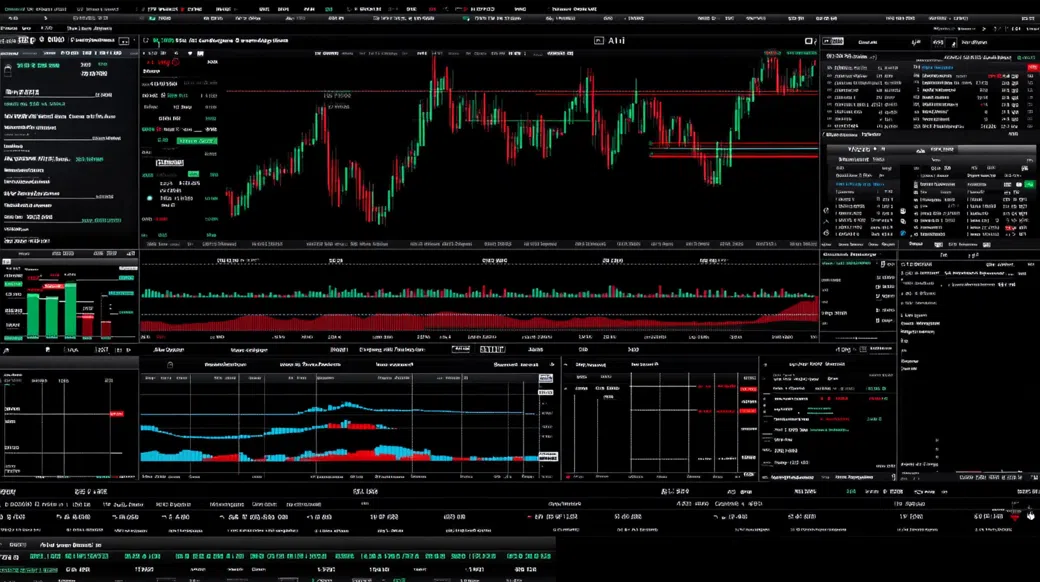
From a trader’s angle, the WebTrader is designed to keep you in-flow: watchlist on the left, chart center, ticket on the right, with market/limit/stop and a visible margin readout before you send the order. I ran a small EUR/USD position into the New York overlap and watched fills come back without any odd “re-quote theater”; slippage existed around a fast tick, but it was within what I’d expect in leveraged CFDs. If you live inside MT4/MT5 ecosystems (EAs, custom indicators, third-party trade copiers), this platform won’t replicate that universe—think functional, not endlessly extensible.
The Iron Fundalis app mirrored the web layout closely: real-time quotes, quick order modification, and a clean positions tab with P&L and used/free margin at a glance. On my device, Iron Fundalis login supported biometric unlock, which is the right baseline in 2026. Deposits and withdrawals were accessible from the same menu (no “go to desktop” detours), and push notifications for price alerts worked, though chart drawing tools felt lighter than on the browser terminal.
Charting covers the essentials—multi-timeframe views, common indicators like RSI/MACD/Bollinger, and basic annotations for levels and trendlines. Research is more “trader utility” than “institutional”: an economic calendar, an integrated news feed, and alert/watchlist workflows. That’s enough for discretionary setups, but it won’t replace a dedicated analytics stack or the richer marketplace you get with MT5/cTrader-style environments.
First contact is a short signup form (email, phone, and residency), followed by a compliance lane that’s hard to skip if you want smooth withdrawals later. The KYC upload asked for a government-issued photo ID and a recent proof of address; my verification cleared the same business day after I submitted a utility bill PDF. One detail I appreciated: the dashboard flags document status clearly, so you’re not guessing whether you’re “fully cleared” for funding and cash-outs.
After funding by card, the deposit confirmation appeared instantly in the wallet view, with a separate ledger line for trading balance. If you’re sensitive to FX conversion, check base currency options before you deposit—small percentage differences compound when you add leverage.
I tested support with a nuts-and-bolts question: what drives the swap rate change on XAU/USD and where it’s displayed in the platform. Live chat replied in about three minutes with a clear pointer to the contract specs page and a note on triple-swap day mechanics; the answer wasn’t “salesy,” which I value. I then emailed a follow-up about Iron Fundalis withdrawal timing for card cash-outs, and the ticket response arrived roughly eight hours later with a method-by-method outline.
Coverage follows the usual offshore CFD rhythm: 24/5 live chat and email, with weekends thinner—especially when crypto markets are the only ones moving. Language support depends on the agent pool on shift, and phone availability is not consistent across regions, so treat chat/email as your primary rails. Relative to similar brokers, it’s competent, but it’s not a concierge desk.
If you’re considering an account, start by mapping your country eligibility, then verify the live spreads you actually trade (EUR/USD, US500, XAU/USD) in both account tiers. A demo first makes sense, and only then should you test a small deposit and a withdrawal cycle.
Visit Iron FundalisIt can be, as long as you treat it as a CFD trading venue—not an investing app. The interface is readable and the demo helps, but beginners need to respect leverage (up to 1:500) and learn how margin calls work. If you’re new, stick to small size and avoid holding positions blindly through major news.
Yes, crypto is available via CFDs, including BTC/USD and ETH-linked pairs. That means you’re trading price exposure with leverage, not receiving coins to a wallet. Weekend financing and wider spreads can apply, so check the contract specs before you size up.
No, my Iron Fundalis review didn’t show “scam behavior” like blocked logins, forced bonuses, or refused withdrawals after KYC. Still, it operates under an offshore registration model, so safeguards aren’t identical to FCA/ASIC-style regimes. Manage your risk accordingly and keep your own records of confirmations and statements.
No, the USA is restricted and accounts are not offered to US residents. The broker also blocks sanctioned or heavily restricted jurisdictions. If you’re unsure about residency rules, confirm with support before depositing.
Most withdrawals are processed internally within 24–48 hours once your KYC is approved. In my test, a card withdrawal landed in the 2–5 business day window after processing. Bank wires typically take longer (often 3–7 business days), while crypto transfers can arrive the same day depending on network conditions.
The Iron Fundalis minimum deposit is $200. That amount is enough to test order execution and the withdrawal workflow without overcommitting capital. If you plan to trade higher-volatility CFDs, you may still need more margin than the minimum to avoid frequent stop-outs.
Yes, there’s an iOS/Android mobile app alongside the WebTrader. You can monitor positions, place orders, and manage deposits/withdrawals from the app. For deep chart work, the web platform still feels more comfortable, but mobile is adequate for execution and risk checks.
Overall Score: 4.0/5
What stood out in 2026 was the broker’s balance between usable pricing (especially on the Raw/ECN-style tier) and a platform that doesn’t fight you when markets move. My deposit, a couple of test trades, and a card cash-out all behaved as expected, which goes a long way in this segment. The non-negotiable drawback is jurisdiction: offshore registration means fewer formal backstops if you end up in a dispute, so position sizing and documentation are on you. If you understand CFD mechanics—leverage, swaps, and margin—Iron Fundalis is a credible option to evaluate.
Best for: active CFD traders who want 1:500 leverage and a simple WebTrader/app stack. Avoid if: you require tier‑1 regulation, investor compensation schemes, or an MT4/MT5-heavy workflow.