Is Invexium Invest Legit in 2026? Safety Review
Is Invexium Invest legit and safe in 2026? A numbers-first review of legitimacy signals, fund safety checks, withdrawals, security, and what to verify pre-deposit.

Is Invexium Invest legit and safe in 2026? A numbers-first review of legitimacy signals, fund safety checks, withdrawals, security, and what to verify pre-deposit.
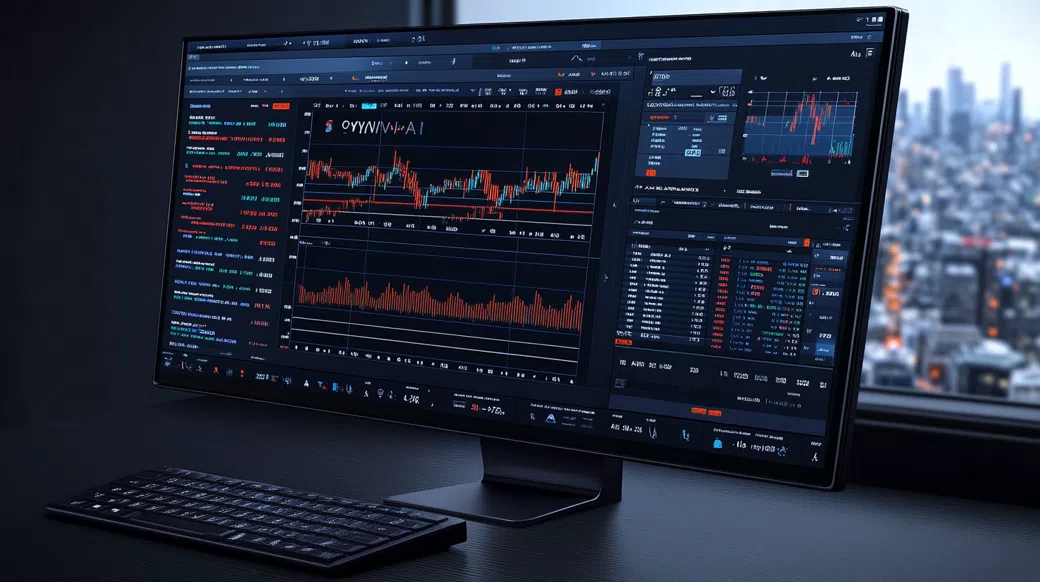
Capital doesn’t care about slogans—people want to know whether Invexium Invest is a real brokerage operation or just a shiny front-end that can trap deposits. The right way to frame it is simple: Is Invexium Invest legit? and is Invexium Invest safe for real-money funding and withdrawals. Based on publicly visible signals, there isn’t enough transparent, regulator-verifiable detail to call it “low risk.” Treat it as higher uncertainty until you can confirm the operating entity, licensing status, and written withdrawal rules before sending funds.
Invexium Invest presents as a retail trading platform in the broker bucket—typically the FX/CFD model where the firm intermediates trades and holds client balances in an account ledger. In that category, regulation isn’t decoration; it’s the difference between enforceable rules (capital requirements, audit trail, complaint handling) and a website that can rewrite terms when pressure hits. One practical starting point: identify the exact legal entity behind the brand, then cross-check that entity on the relevant financial regulator register—names must match, and any “license” claim should be verifiable without guesswork. This is where the question Invexium Invest legit becomes measurable: documents, entity clarity, and a register match, not marketing copy.
| Entity Name | The brand name is visible publicly; the operating legal entity should be stated in the footer or terms—confirm the full company name and registration details match across documents. |
| Compliance Signals | Expect KYC/AML language, a risk disclosure, and jurisdiction clarity; verify any license claim directly on the applicable regulator’s public register before depositing. |
| Security | Transport encryption (HTTPS/TLS) should be standard; check whether 2FA is offered and whether a privacy/data-protection policy is clearly published. |
Direct Answer: For the question “is my money safe with Invexium Invest?”, the honest answer is: it depends on what you can verify about licensing, client-funds handling, and withdrawal terms. Without regulator-verifiable identity and clear custody language, is Invexium Invest safe cannot be confirmed from surface-level branding alone.
Start with the money plumbing. A reputable FX/CFD broker spells out whether client funds are held in segregated accounts, which payment rails are used, and what internal processing times look like (think 24–72 hours before bank/card timelines). Next, stress-test the security basics: TLS on every page that touches credentials, strong password rules, and 2FA (authenticator-app 2FA is a stronger signal than SMS). Finally, run three checks you can do quickly: (1) read the withdrawal section for fees, minimums, and “additional verification” triggers, (2) confirm the dispute/complaints channel exists in writing, and (3) search for the operating entity name on a regulator register. That sequence answers “how safe is Invexium Invest” with evidence instead of vibes.
A broker earns credibility when product disclosure is boringly precise. That means: execution model described in plain language, spreads/commissions published, leverage and margin rules visible, and risk disclosure not buried in a PDF that changes names mid-document. For an Invexium Invest trading platform review in 2026, the key legitimacy tell is whether the offer is quantified—fees, swaps/financing, and order handling—rather than pitched with lifestyle language. If details are only revealed after signup or deposit, you’re not looking at “premium”—you’re looking at information asymmetry, and that’s where clients usually pay more than they expect.
In the FX/CFD broker lane, the standard menu usually starts with major/minor FX pairs, then expands into index CFDs, commodities, and sometimes crypto-linked CFDs (not the same as spot crypto custody). Some brokers also list single-stock CFDs, which carry their own costs (spreads plus overnight financing) and require clear risk warnings. Whether is Invexium Invest a legit choice comes down to the details attached to each instrument: contract specs, trading hours, margin, and a clean fee schedule that doesn’t move when volatility spikes. If asset lists exist publicly, compare them against the broker’s legal documents for consistency.
Online reputation is a noisy dataset, and treating it like audited financials is a rookie mistake. Review aggregators and app stores can reflect real friction points, but they also attract incentivized posts, bot waves, and the classic survivorship bias (people post when very happy or very upset). For Invexium Invest scam or legit discussions, triangulation is the only sensible approach: check whether the broker provides a formal complaint path, look for regulator bulletins or warnings tied to the operating entity (where applicable), and read community threads that focus on mechanics—withdrawal timing, verification steps, and fee surprises—rather than generic praise. Publicly visible feedback suggests focusing on withdrawal clarity and support responsiveness as the most decision-relevant variables.
Think of this as a pre-deposit audit you can run in under an hour. If the data points don’t line up—entity name, documents, and real-world contact routes—the question “is Invexium Invest a legit broker” stays open, and your position size should be zero until it’s closed.
Use a verification-first walkthrough before you even think about funding: read the terms and withdrawal pages end-to-end, confirm the operating entity in the footer matches the legal documents, and try to locate the entity on the appropriate regulator register. Then compare the disclosed fees/spreads with peers in the same category. That process tells you more than any promo page.
Visit Invexium InvestOn the numbers-and-controls test, the safest conclusion is “insufficient evidence to confirm.” In other words, Invexium Invest might operate as a standard FX/CFD brokerage, but is Invexium Invest legit cannot be responsibly answered with a clean yes unless the legal entity and any license claims are verifiable on a regulator register. The same logic applies to funds: is Invexium Invest safe depends on clearly published withdrawal rules, complaint handling, and credible client-funds protection language—ideally segregation statements plus a security stack that includes TLS and 2FA. If you proceed, keep size small until you verify the operating entity, written withdrawal conditions, and regulator-register match.
Risk Warning: Trading involves risk, and you can lose money. This article is for informational purposes only and does not constitute financial advice.
Not conclusively from surface-level information alone. is Invexium Invest legit becomes a “yes” only when you can match the operating entity and any claimed license on an official regulator register and see consistent legal documents. If that chain breaks, treat it as unverified.
It’s not something you should assume. is Invexium Invest safe for deposits and withdrawals depends on written withdrawal policies (fees, minimums, verification triggers) and whether support/complaints channels are clearly published. Lack of clarity here is a practical risk even if trading execution looks fine.
There isn’t enough public evidence to label it definitively either way, so “is Invexium Invest a scam” should be treated as an open question. What matters is whether core facts are verifiable: legal entity, jurisdiction, and licensing status. If any of those are missing or inconsistent, risk rises fast.
Your money is only as safe as the controls you can verify. Look for client-funds protection language (segregation where applicable), clear withdrawal rules, and account security features like 2FA. If you’re asking “how safe is Invexium Invest,” the best answer comes from documents and register checks, not advertisements.
Verify (1) the exact legal entity and jurisdiction in the terms/footer, (2) any license claim by matching the entity on a regulator’s public register, (3) the full withdrawal policy including fees, minimums, and KYC triggers, and (4) security features at login such as TLS and 2FA. Add a fifth step: compare the fee/spread disclosures versus two or three established brokers in the same category. Those checks make the “is Invexium Invest safe” question answerable with evidence.