Is Piast Kapitura Legit in 2026? Safety Review
Is Piast Kapitura legit and safe in 2026? An evidence-based review of legitimacy signals, fund-safety checks, and what to verify before depositing.

Is Piast Kapitura legit and safe in 2026? An evidence-based review of legitimacy signals, fund-safety checks, and what to verify before depositing.
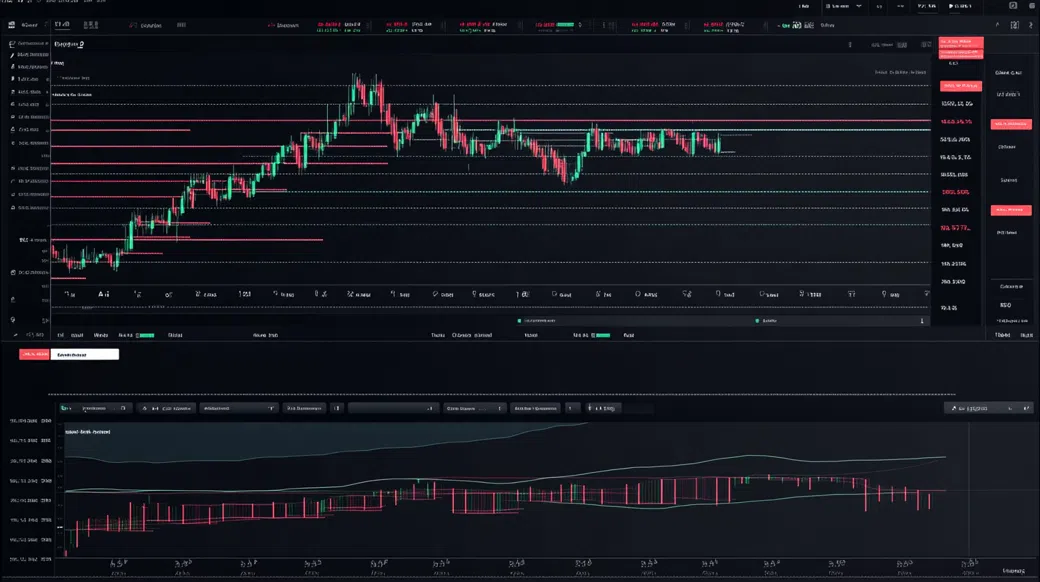
Verdict: Many users ask, "Is Piast Kapitura legit?" and "is Piast Kapitura safe?" Based on publicly checkable legitimacy signals (legal entity clarity, disclosures, and verifiable security/compliance practices), the responsible view is: it may be legitimate, but you should confirm the company identity, jurisdiction, and withdrawal terms before funding.
As a former equity desk analyst in São Paulo, I default to proof over marketing: if you can verify the operator, the rules, and the cash-out path, risk drops materially. This review of Piast Kapitura focuses on what can be validated in 2026 and what you should not assume.
From a due-diligence standpoint, Piast Kapitura reads as a general online trading platform/brokerage-style service (rather than a traditional exchange). Whether is Piast Kapitura a legit broker depends less on branding and more on whether there is a clearly identified legal entity, a stated jurisdiction, and verifiable compliance practices (KYC/AML) consistent with how serious brokerages operate. If you cannot independently confirm regulation or licensing, treat Piast Kapitura legit as an open question and use the checklist below before depositing.
| Entity Name | Piast Kapitura Brand |
| Compliance Signals | KYC, disclosures, clear jurisdiction OR “Verify before deposit” |
| Security | SSL / 2FA / Data Protection (verify availability) |
Direct Answer: For “is my money safe with Piast Kapitura?” the only evidence-based answer is conditional: is Piast Kapitura safe depends on confirmed controls—who holds client funds, what withdrawal rules apply, and what security features are actually enabled on your account. If any of those points are vague, assume higher operational risk until proven otherwise.
Minimum standard in this category is: documented client funds protection language (including segregated accounts disclosures where applicable), consistent KYC/AML, and a withdrawal process that is written, testable, and not subject to “bonus” traps. On the technical side, verify SSL encryption in the browser, confirm 2FA is available, and check whether account protections (device management, password policies) exist; these are basic but meaningful signals.
Whether is Piast Kapitura a legit choice comes down to how cleanly it explains product risk, pricing, and execution—especially for leveraged CFDs/FX/crypto where losses can exceed expectations fast. A Piast Kapitura trading platform should publish fee logic (spreads/commissions/financing), order execution descriptions, and risk disclosure in plain language; if any of these are missing, your risk is not market risk only—it becomes counterparty risk.
If the exact list is not clearly disclosed, don’t guess—confirm inside the product specs and legal terms before trading. Many platforms in this segment offer a mix such as forex, indices, commodities, crypto, and sometimes equities/ETFs via derivatives; what matters for legitimacy is transparency (contract specs, margin, overnight fees) and a consistent record of honoring withdrawals. If you plan to use Piast Kapitura, start with the smallest practical deposit and validate the full withdrawal loop early.
For Piast Kapitura scam or legit, user feedback can be useful—but only when it’s verifiable and consistent across multiple sources. Some traders typically praise fast onboarding or platform usability, while common complaints in this industry cluster around withdrawals, sudden account restrictions during KYC, or unclear fees; treat any pattern of unresolved withdrawal disputes as material. Cross-check dates, look for detailed narratives (not copy-paste praise), and prefer forum threads where users provide screenshots or ticket timelines.
We checked common red flags. Here is what matters most and what you should verify:
On the narrow question “is Piast Kapitura legit and is Piast Kapitura safe?”, the evidence-based conclusion is cautious: it may be legitimate if (and only if) you can verify the operating legal entity, jurisdiction/regulatory status, and written withdrawal and client-funds protections. If any of those cannot be confirmed, you should treat the risk as elevated and limit exposure—use small test deposits, complete KYC early, and confirm withdrawals before scaling. If you’re evaluating Piast Kapitura in 2026, prioritize proof: documents, timestamps, and the cash-out experience.
Risk Warning: Trading involves risk. This article is not financial advice.
Is Piast Kapitura legit is answerable only through verification: identify the contracting legal entity, confirm the jurisdiction, read the client agreement, and test support responsiveness. If those items are clear and consistent, legitimacy risk drops; if they’re missing or contradictory, treat it as high risk.
On is Piast Kapitura safe, focus on operational proof: documented deposit/withdrawal methods, written timelines, fees, and a policy for rejected withdrawals. If you’re asking how safe is Piast Kapitura, the practical test is a small deposit followed by a small withdrawal after KYC—if that works smoothly and consistently, confidence improves.
Is Piast Kapitura a scam cannot be responsibly stated without hard evidence, but you can screen for scam patterns: anonymous operators, no legal entity/jurisdiction, pressure tactics, unrealistic profit claims, and withdrawal friction. If multiple red flags show up, treat the “Piast Kapitura scam or legit” question as resolved in favor of avoiding deposits.
For “is my money safe with Piast Kapitura?” the minimum standard is clarity on who holds funds, whether segregated accounts are disclosed where applicable, and what happens in disputes. Also verify security controls (SSL encryption and 2FA) and read the withdrawal terms for conditions that can block cash-outs.
Before funding, confirm: (1) the legal entity + address + jurisdiction you contract with, (2) any licensing/registration claim via the relevant financial regulator register, (3) fee schedule (spreads/commissions/financing) and risk disclosure, (4) withdrawal rules and timelines in writing, and (5) security features like 2FA and device/session controls. If any point is unclear, reduce size or pause—numbers beat narratives.