Kapitwaard Trading Platform Alternatives 2026
Kapitwaard trading platform alternatives 2026: compare regulated brokers, costs, execution, and migration steps to pick safer platforms like Kapitwaard.

Kapitwaard trading platform alternatives 2026: compare regulated brokers, costs, execution, and migration steps to pick safer platforms like Kapitwaard.
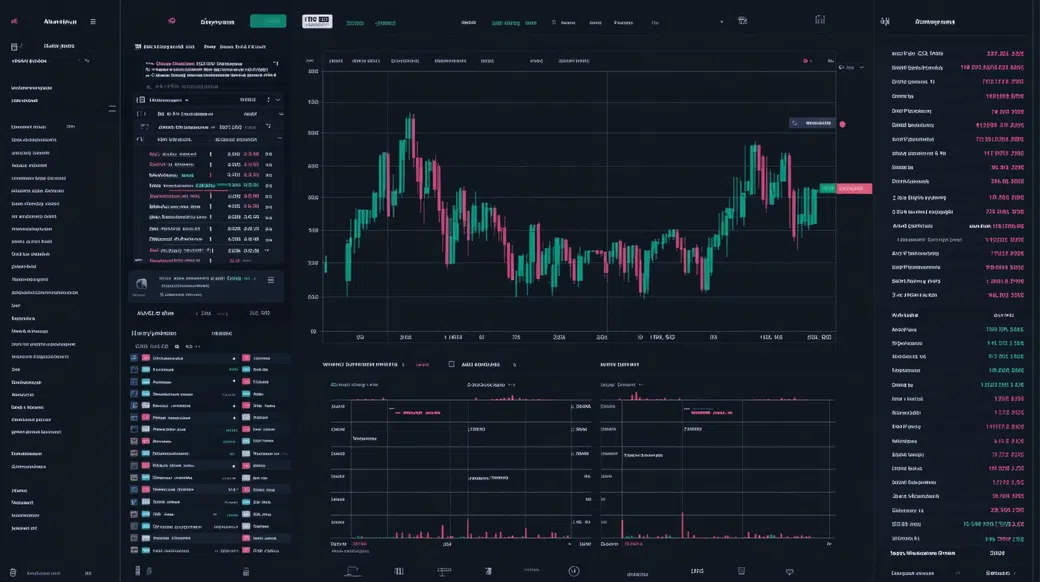
Leverage is a loud salesman. A 1:500 headline can make a modest account feel like a prop desk—right up until a margin call turns the screen red. That’s the context in which traders keep asking about Kapitwaard: typically positioned as an offshore-style Forex/CFD venue with a proprietary WebTrader, mobile apps, and a product shelf centered on FX pairs, indices, commodities, and crypto CFDs. In this segment, the brochure rarely tells you the two numbers that matter most: the all-in cost per round-trip and the protections you actually have if something goes wrong.
Based on what’s commonly observed among offshore providers operating under a Seychelles FSA framework (or similar), the package tends to look like this: minimum deposit around $250, EUR/USD spreads often starting near 2.0 pips on a “standard” tier, and aggressive leverage up to 1:500. That can work for short-term speculation, but it also amplifies slippage risk, overnight financing drag, and the operational risk of being outside the tighter guardrails that US/EU traders are used to.
This guide is built for readers who want Kapitwaard alternatives without swapping one set of problems for another. I’ll focus on regulated options versus Kapitwaard, the platform stack (MT4/MT5/cTrader vs WebTrader), and a practical migration sequence so you don’t get trapped between withdrawals, KYC, and open positions.
Disclaimer: This article is for informational purposes only and does not constitute investment advice. CFDs and other leveraged products carry a high risk of loss and may not be suitable for all investors.
From a desk-analyst lens, Kapitwaard fits the common offshore CFD-first mold: access is usually centered on Forex and CFDs rather than true multi-asset custody, with higher permitted leverage and a simplified product menu. The practical target audience is the short-term retail trader who wants quick onboarding, a web interface, and a wide set of marginable instruments (FX, indices, commodities, and often crypto CFDs). The trade-off is that the “safety plumbing” can be thinner than at top-tier venues—think fewer investor-protection backstops and less transparency around execution model details (market maker vs STP/ECN/DMA) that directly affect fills and slippage.
Expect a proprietary WebTrader with basic-to-mid charting rather than a full institutional terminal. Chart layouts typically cover the essentials—timeframes, a standard indicator list, and drawing tools for levels and trendlines—enough for discretionary trading but not always ideal for systematic workflows. Order entry is usually straightforward (market/limit/stop), while depth-of-market style views and granular order routing are less common in this class of platform. Mobile apps for iOS/Android generally mirror the web experience: watchlists, basic charting, and account monitoring. The account dashboard tends to emphasize margin, free equity, and open P&L—useful, but it doesn’t replace a robust audit trail when you’re reconciling swaps, partial fills, and execution timestamps.
On costs, the headline number to anchor is often EUR/USD from about 2.0 pips on a standard-style setup. Some brokers in this segment advertise a tighter “raw/ECN” tier, typically pairing 0.0–0.4 pip spreads with a commission in the rough range of $5–$8 per round turn—but terms vary, and the real test is your effective spread during liquid hours. Add the hidden line items: swap/overnight financing (especially painful on leveraged holds), potential inactivity charges, and withdrawal fees depending on method. This is where platforms like Kapitwaard can look cheap at first glance yet print a higher all-in cost once you include financing and execution quality.
The moment your strategy gets “cost-sensitive,” the broker choice stops being cosmetic. A two-pip spread on EUR/USD looks small until you scale it to repetition: a trader doing 200 round turns a month is paying in pips the way a cardholder pays in APR. That’s why Kapitwaard alternatives show up in conversations after a few months of real trade logs—once slippage, swaps, and withdrawal friction stop being theoretical. Add the regulatory layer: in US/EU contexts, many traders prefer frameworks that enforce segregated client funds, negative balance protection (where applicable), and a paper trail you can verify on a public register.
Selection works best as “fit-to-strategy” plus a risk budget. First decide what you’re actually trading (FX scalps vs ETF accumulation), then price the operating costs (spread/commission/swap), and only then worry about interface preferences. For US/EU readers, the final filter is governance: can you verify the broker’s legal entity and regulator record in minutes, and does the structure match the protections you think you’re buying?
Start with the regulator and the legal entity you will sign with: FCA (UK), ASIC (Australia), CySEC (Cyprus/EU), or NFA/CFTC (US) are the names that change the enforcement temperature. Under FCA oversight, FSCS coverage can reach up to £85,000 in eligible cases; under CySEC, the ICF can cover up to €20,000 depending on eligibility. Look for segregated client funds language, and confirm it’s not just marketing. If you’re comparing competitors to Kapitwaard, this is where the difference is usually structural, not cosmetic.
Map instruments to goals. FX and index CFDs can be enough for tactical trading, but long-horizon portfolios usually require real stocks and ETFs (ownership, voting rights, and standard custody rules). Options and futures matter if you hedge systematically or want exchange-traded risk. Crypto is its own fork: CFD exposure tracks price but doesn’t give on-chain ownership or wallet transfer. Alternatives to the Kapitwaard trading platform should be judged on whether they offer the instruments you actually need, not the biggest instrument count.
Use round-turn cost-of-trade as your comparison unit. A “raw” account with 0.1–0.3 pip spreads plus $6 round turn can beat a 1.2–1.6 pip spread-only account, but only if your average trade size and frequency justify it. Then add swap/overnight fees (especially on leveraged CFDs), and check whether inactivity and withdrawal charges exist. A clean way to think about brokers similar to Kapitwaard is: what do you pay in a typical month of your own volume, not in an idealized screenshot?
Platform choice isn’t just comfort—it’s execution and workflow. MT4/MT5 ecosystems matter for automation and third-party analytics; cTrader is popular with traders focused on depth and order handling. Proprietary WebTrader stacks can be fine for discretionary trading, but the key is fill quality: market maker vs STP/ECN/DMA affects how price moves through the pipe. Watch for slippage disclosures and whether stop orders behave consistently during volatility. If you’re leaving Kapitwaard, make your next platform prove itself with logs, not promises.
Support becomes relevant at exactly the wrong time—withdrawals, margin issues, platform outages. Check live chat hours, ticket response times, and whether you can reach a human in your timezone. Education is a bonus, but clarity is mandatory: transparent margin rules, negative balance protection terms (where applicable), and clean reporting for tax and reconciliation. Mobile parity also matters more than people admit; if the app is your primary risk monitor, it needs to be stable and detailed.
In FX/CFDs, the two levers that decide your outcomes are execution quality and all-in transaction cost. Kapitwaard-type setups often advertise high leverage (commonly up to 1:500) and a broad CFD menu, but the typical retail experience can include wider effective spreads and more slippage during fast markets. With a standard-tier EUR/USD around 2.0 pips, a frequent trader can feel the drag quickly. Pepperstone and IC Markets are commonly used benchmarks among regulated FX/CFD specialists because they offer MT4/MT5/cTrader stacks and “raw” style pricing models where spreads can compress and commissions are explicit. That transparency helps you measure your edge: you can separate strategy performance from broker friction, and you can stress-test fills around news without guessing how the dealing model behaves.
Here’s the cleanest gap: many CFD-first venues offer equities as CFDs (price exposure) rather than real shares and ETFs in custody. CFDs can be useful for short-term directional trades, but they don’t give shareholder rights, and financing costs can punish longer holds. If your plan includes building a portfolio—US equities, European ETFs, maybe some EM exposure—Interactive Brokers and Saxo Bank are the workhorse alternatives because they provide access to real stocks and ETFs, plus options and futures for hedging. For a US/EU audience, that matters not only for product breadth but also for reporting, corporate actions, and the ability to hold assets without CFD rollover mechanics. Top substitutes for Kapitwaard in this category are the brokers that treat investing as custody, not just a leveraged bet.
Crypto is where terminology causes expensive confusion. If a platform offers crypto CFDs, you’re trading a derivative: no on-chain transfer, no wallet, no staking—just P&L linked to price. Offshore-style brokers frequently include 10–30 coins as CFDs because it’s operationally simpler than spot custody. For traders who want crypto price exposure inside a regulated CFD framework, IG and Plus500 are examples of heavily regulated brands that, in many jurisdictions, provide crypto CFDs (availability depends on region and rules). The key comparison isn’t the coin list; it’s risk controls and disclosures—margin rules, weekend pricing, and how stops behave in gaps. Kapitwaard alternatives in crypto should be evaluated with the same discipline as FX: execution, financing, and whether the product is a CFD or true ownership.
Regulation: SEC/FINRA (US), FCA (UK), IIROC (Canada)
Markets: Stocks, ETFs, options, futures, FX, bonds
Fees: FX spreads often competitive; commissions vary by market/venue (tiered or fixed schedules)
Platform: Trader Workstation (TWS), IBKR Desktop/Mobile, Client Portal API tools
Best For: Real multi-asset investing and hedging (DMA-style workflows)
Regulation: FCA, ASIC, CySEC, DFSA
Markets: FX, CFDs (indices, commodities, some shares as CFDs)
Fees: Standard spreads often around ~1.0–1.3 pips on EUR/USD; Raw-style pricing commonly ~0.0–0.3 pips + commission (varies by entity)
Platform: MT4, MT5, cTrader, TradingView (where available)
Best For: FX traders prioritizing low-latency execution and automation
Regulation: FCA, MAS, DFSA
Markets: Stocks, ETFs, bonds, options, futures, FX, CFDs
Fees: Pricing varies by tier; FX spreads generally tighter on higher tiers; commissions apply on exchange-traded products
Platform: SaxoTraderGO, SaxoTraderPRO
Best For: Portfolio builders who want research-grade tools and broad market access
Regulation: ASIC, CySEC, FSA Seychelles (group-level)
Markets: FX, CFDs (indices, commodities, some shares as CFDs)
Fees: Raw-style accounts often ~0.0–0.3 pip EUR/USD + commission around ~$6–$7 round turn; spread-only option typically higher
Platform: MT4, MT5, cTrader
Best For: High-frequency style FX/CFD trading where tight spreads matter
Regulation: FCA, ASIC, MAS
Markets: CFDs (FX, indices, commodities, shares as CFDs), plus broader offerings depending on region
Fees: Spread-based pricing on many CFDs; typical FX spreads often competitive on major pairs (varies by region and product)
Platform: IG web platform, mobile apps, MT4 (where available)
Best For: Macro-oriented CFD traders who want a long-established regulated venue
Regulation: CFTC/NFA (US), FCA, ASIC
Markets: FX, CFDs (availability varies by jurisdiction)
Fees: Spread-only and commission-based options depending on account type; majors often around ~0.8–1.4 pips on standard-style pricing
Platform: Forex.com web/mobile platforms, MT4 (where available)
Best For: US-based FX traders needing a domestically regulated setup
| Platform | Regulation | Main Markets | Typical Costs | Best For |
|---|---|---|---|---|
| Interactive Brokers (IBKR) | SEC/FINRA, FCA, IIROC | Real stocks/ETFs, options, futures, FX, bonds | Market-based commissions; FX pricing typically competitive | Real multi-asset investing and hedging (DMA-style workflows) |
| Pepperstone | FCA, ASIC, CySEC, DFSA | FX + CFDs | ~0.0–0.3 pip + commission (Raw); ~1.0–1.3 pips (Standard) | FX traders prioritizing low-latency execution and automation |
| Saxo Bank | FCA, MAS, DFSA | Stocks/ETFs, options, futures, FX, CFDs, bonds | Tiered pricing; commissions on exchanges; FX spreads vary by tier | Portfolio builders who want research-grade tools and broad market access |
| IC Markets | ASIC, CySEC (plus group-level Seychelles FSA) | FX + CFDs | ~0.0–0.3 pip + ~$6–$7 round turn (Raw); higher on spread-only | High-frequency style FX/CFD trading where tight spreads matter |
| IG | FCA, ASIC, MAS | CFDs across FX/indices/commodities; shares as CFDs | Mostly spread-based; majors often competitive (region-dependent) | Macro-oriented CFD traders who want a long-established regulated venue |
| Forex.com (StoneX) | CFTC/NFA, FCA, ASIC | FX (and CFDs where permitted) | Often ~0.8–1.4 pips on standard-style; commission options vary | US-based FX traders needing a domestically regulated setup |
Switching brokers is an ops project, not a vibe shift. Treat it like you would treat counterparty risk: verify the new venue first, reduce exposure during the transition, and keep your records clean. One more point that retail traders underestimate: leveraged CFDs can move faster than your withdrawal timeline, so avoid running oversized positions while you’re changing platforms. If you’re exiting Kapitwaard, sequence matters more than speed.
If you’re still evaluating whether Kapitwaard fits your risk limits, take five minutes to cross-check regional eligibility, funding methods, and platform tools against the regulated substitutes listed above. The details that matter—execution, fees, and protections—are usually in the fine print, not the banner.
Visit KapitwaardThe best choice depends on whether you need real assets or just CFDs. For real stocks/ETFs plus options and futures, Interactive Brokers and Saxo Bank are strong Kapitwaard alternatives because they cover true multi-asset access under top-tier regulation. For FX/CFD trading with tight, transparent pricing models, Pepperstone and IC Markets are frequently selected by cost-focused traders. For US residents, Forex.com is often the practical starting point due to CFTC/NFA oversight for FX.
Kapitwaard appears to operate in an offshore-style setup consistent with Seychelles FSA frameworks, which typically means fewer investor-protection backstops than FCA/ASIC/CySEC/NFA regimes. Safety is not just about platform stability; it’s also about legal recourse, segregation rules, and whether a compensation scheme exists. If you keep trading there, keep position sizing conservative and be extra strict on withdrawals and documentation.
Kapitwaard is typically positioned around Forex and CFDs, with crypto commonly offered as crypto CFDs rather than on-chain ownership. Stocks and ETFs, when available in this model, are often CFDs (price exposure without custody), and exchange-traded futures are generally not the core offering. If you need real equities/ETFs or listed futures, brokers like Interactive Brokers or Saxo Bank are usually better-aligned to that requirement.
Before switching, verify the new broker’s entity on the regulator register (FCA/ASIC/CySEC/NFA) and confirm client-fund segregation and negative balance protection terms where applicable. Next, compare round-turn trading costs (spread + commission + swap) against your own monthly volume, not a marketing example. Finally, complete KYC at the new broker first, then withdraw from Kapitwaard using the original funding method to reduce AML-related delays.
About the Author: Carlos Mendes is a former equity desk analyst from São Paulo who covers emerging market brokerages and Latin American fintech with a trader’s eye for execution and cost. He focuses on the numbers that change outcomes—spreads, financing, slippage, and the legal structure behind the platform.