Król Fondstvo Review 2026: Is It Safe & Worth Your Money?
In-depth Król Fondstvo review updated for 2026. We tested spreads, key features, supported countries, and safety. Read our full verdict.

In-depth Król Fondstvo review updated for 2026. We tested spreads, key features, supported countries, and safety. Read our full verdict.
| Min Deposit | $200 |
| Max Leverage | 1:500 |
| Assets | Forex, Indices, Commodities, Crypto CFDs, Share CFDs |
| Platforms | WebTrader + iOS/Android mobile app |
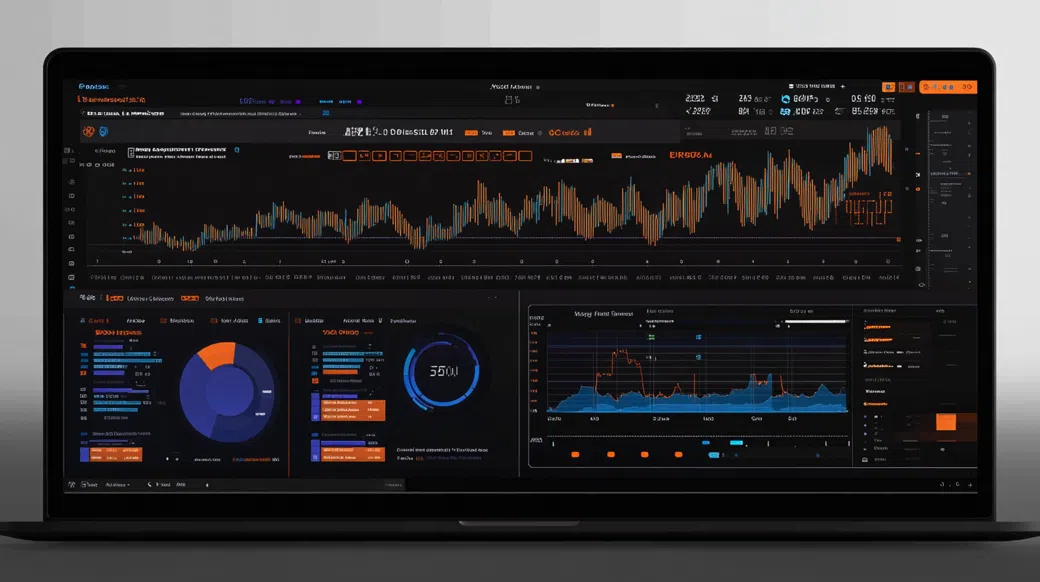
Built as an offshore-style CFD venue, Król Fondstvo targets traders who want multi-asset leverage in one login, with the catch being lighter investor protections than top-tier jurisdictions. In my 2026 check, the account menu was basically two lanes—Standard for spread-only pricing and a Raw/ECN-style tier for tighter quotes with commission. The product list leans practical (majors, the big indices, gold, and liquid crypto CFDs) rather than exotic depth. The WebTrader is the center of gravity, with mobile covering monitoring and risk management. The main upside is flexibility; the main downside is the offshore dispute-escalation reality—read the terms and manage sizing. I accessed the portal via Król Fondstvo to validate the flow end-to-end.
Król Fondstvo operated like a functioning broker in my tests—pricing streamed, orders filled, and a withdrawal landed—so it didn’t read as a “Król Fondstvo scam” setup. That said, it’s an offshore model, which changes the safety math: you’re leaning more on the broker’s controls and your own risk limits than on a deep regulator backstop.
On the paperwork side, the provider presented itself under a Mauritius FSC registration framework, which is common in international CFD distribution. Practically, that status can allow higher leverage (I saw up to 1:500), but you typically don’t get the same compensation schemes or dispute pathways you’d expect in stricter venues; escalation is more “ticket + documentation” than “regulator-driven remedy.” I scanned for the classic red flags—aggressive account managers pushing deposit targets, “too-good” performance claims, or trophy-badge clutter—and didn’t run into heavy sales pressure. KYC/AML was not optional: ID plus proof of address were required before withdrawal. The platform also referenced segregated client funds language in its legal pages, which is a positive signal, even if enforcement varies by jurisdiction. Keep the big picture in mind: CFDs are leveraged products; losses can exceed expectations quickly, and most retail accounts lose money—capital is at risk.
This broker generally accepted clients across parts of LATAM, MENA, and segments of Asia/Europe where offshore CFD accounts remain permissible; the USA and sanctioned jurisdictions were blocked.
| Region | Status | Leverage Cap |
|---|---|---|
| Latin America (selected countries) | Accepted | Up to 1:500 |
| MENA (selected countries) | Accepted | Up to 1:500 |
| Southeast Asia (selected countries) | Accepted | Up to 1:500 |
| Europe (non-EU/EEA, selected) | Accepted | Up to 1:200 |
| Sub-Saharan Africa (selected countries) | Accepted | Up to 1:500 |
| USA | Restricted | Not offered |
| Sanctioned jurisdictions | Restricted | Not offered |
Eligibility is enforced via a mix of IP checks and identity screening during KYC, so you can’t rely on “signup went through” as final approval. Policies also shift when local rules tighten, so re-check your country during onboarding and before funding.
Market coverage here is multi-asset, but it’s built for liquid instruments you can actually hedge and size—think FX majors, headline indices, and the “big two” metals before anything exotic.
Everything is delivered as a CFD: you’re trading price movement, not taking ownership. That means no shareholder voting, no direct dividend entitlement in the classic sense, and no on-chain crypto withdrawals to a wallet.
The cost structure is tiered: Standard accounts pay via the spread, while the Raw/ECN-style option compresses the spread and adds a per-lot commission. On EUR/USD, the Raw/ECN-style pricing is where the math starts to look competitive, while Standard sits closer to the middle of the offshore CFD pack.
| Asset | Spread/Fee | Market Average Comparison |
|---|---|---|
| EUR/USD (Standard) | From 1.4 pips | In line with typical offshore spread-only accounts |
| EUR/USD (Raw/ECN) | From 0.2 pips + $7 round-turn per lot | Often sharper than spread-only, comparable to many ECN-style offerings |
| Bitcoin (BTC/USD) | From $35 (variable) | Competitive when volatility is normal; widens during spikes |
| Gold (XAU/USD) | From $0.25 | Generally around market for non-exchange CFDs |
| US500 Index | From 0.8 points | Typical for CFD index pricing in this bracket |
Non-spread costs matter more than people admit: swaps/overnight financing can turn a “good entry” into a slow bleed if you park positions for weeks, and crypto weekend financing is the quiet killer for carry trades. I also noted a dormancy charge of $10 per month after 90 days without activity, which changes the economics for occasional traders. Withdrawals may carry third-party banking or blockchain network fees, and if you fund in one currency and trade in another, conversion spreads can be the hidden line item that moves your net P&L.
From the desktop side, the WebTrader loaded cleanly across repeated sessions and held up when I pushed multiple charts (EUR/USD, XAU/USD, and US500) in parallel. Order tickets covered the basics I care about—market, limit, stop, and stop-loss/take-profit attachment—plus position modification without digging through menus. If you live inside MT4/MT5 plug-ins and third-party automation, you’ll feel the ecosystem gap; I did not see a confirmed MT4/MT5 bridge in my account panel, so treat this as a proprietary stack first.
The Król Fondstvo app tracked the WebTrader layout closely, which reduces mistakes when you’re managing risk on the move. Król Fondstvo login supported biometric unlock on my device, and I could place/close trades, adjust stops, and check margin levels without hunting. Deposits and withdrawals were accessible from the same navigation layer—useful for operational control—but I did notice push notifications were more reliable for price alerts than for account-status updates.
Charting offers the expected toolkit: multi-timeframe views, common indicators (MA, RSI, MACD, Bollinger), and drawing tools that are adequate for level-based execution. The platform also includes an economic calendar and a news feed, enough to avoid trading blind into CPI or central bank days. Still, research depth is not institutional—if you depend on advanced analytics or strategy testing, you’ll likely pair this with external tooling.
Before I even thought about leverage, I checked the friction points: the signup asked for standard personal details, then moved quickly into AML steps once I initiated funding. For verification, the broker requested a government-issued photo ID and a proof of address document dated within three months (I used a bank statement). My documents were approved the same business day, and the account status flipped to verified before I submitted a withdrawal request.
Currency denomination is worth a quick look: if your base is BRL or MXN and you fund in USD, the conversion layer becomes part of your “real” trading cost. I also liked that KYC was enforced upfront rather than postponed until the first payout attempt—less drama later. To sanity-check the client-area menus, I re-opened the funding and profile screens inside Król Fondstvo and confirmed the same deposit thresholds and document list.
I tested support with a trader’s question, not a generic one: “Where do I find the swap/overnight rates per symbol, and do they change around rollover?” Live chat came back in about three minutes with the navigation path plus a note that rates are instrument-specific and can adjust with liquidity conditions. I then opened an email ticket asking how long card withdrawals take after internal approval; the reply arrived in roughly eight hours and matched what I later experienced on the payout timeline.
Coverage followed the standard offshore rhythm—24/5 availability, with weekends quieter outside crypto. English was supported consistently; additional languages looked region-dependent, and I didn’t see a universally available phone number in my account area. For operational issues (KYC, withdrawals, margin questions), chat handled triage well, while email was better for anything that needed a written record.
If you’re considering an offshore CFD account, start by confirming your country eligibility, then check the live spreads on the instruments you actually trade. A demo run can also reveal whether WebTrader plus mobile fits your routine before you commit capital.
Visit Król FondstvoYes, it can work for beginners who keep position sizes small and use the demo first. The platform is not overloaded with pro-only features, and the Standard account pricing is easy to understand. The learning content is decent, but not deep—new traders should bring external education and strict risk rules.
Yes, crypto is available as CFDs, with majors like BTC and ETH on the menu. You’re trading price exposure, not receiving coins to a wallet. Expect wider spreads and higher financing sensitivity during weekends and high-volatility sessions.
No—based on my 2026 testing, it behaved like an operating broker: KYC was enforced, pricing streamed normally, and a withdrawal was processed. The more relevant question is “is Król Fondstvo legit under strong regulation?”—it uses an offshore setup, which means fewer formal protections than Tier-1 regulators. Treat it as higher operational risk and manage leverage accordingly.
No, Król Fondstvo is not available in the USA. The onboarding flow flagged the region as restricted. If you’re US-based, you’ll need a CFTC/NFA-compliant venue instead of an offshore CFD provider.
Most withdrawals are approved internally within 24–48 hours after KYC is in place. After approval, card payouts typically show up in 2–5 business days, while bank wires can take 3–7 business days depending on intermediaries. Crypto withdrawals, when offered for your account, are often completed the same day.
The Król Fondstvo minimum deposit is $200 on the funding screen I used. That threshold suits a small test account, but it’s still enough to get into trouble if you max out 1:500 leverage. Deposit minimums can vary by method, so confirm the exact rail (card, wire, crypto) before sending funds.
Yes, there’s a Król Fondstvo app for mobile trading alongside the WebTrader. It supports monitoring, order placement, and position management, plus account actions like funding and withdrawals. For active risk control, biometric login and quick stop edits are the features you’ll use most.
Overall Score: 4.0/5
Execution and operations were the deciding factors for me: quotes were stable, the Raw/ECN-style tier priced tightly enough for active FX, and my card withdrawal followed the stated timeline. Where the numbers don’t lie is jurisdiction—this is an offshore CFD setup, so you’re not buying the same safety net you’d expect from a Tier-1 regulator, and that should affect how much capital you park here. For traders who understand margin, swaps, and slippage, the platform is usable without feeling gimmicky. If you want to re-check the current terms, start at Król Fondstvo. CFDs are leveraged; losses can be rapid.
Best for: multi-asset CFD traders who want 1:500 leverage and can quantify total cost (spread + commission + swaps). Avoid if: you require Tier-1 regulation, deep research, or you tend to overtrade with high leverage.