Majorfunds pro Review 2026: Is It Safe & Worth Your Money?
In-depth Majorfunds pro review updated for 2026. We tested spreads, key features, supported countries, and safety. Read our full verdict.

In-depth Majorfunds pro review updated for 2026. We tested spreads, key features, supported countries, and safety. Read our full verdict.
| Min Deposit | $200 |
| Max Leverage | 1:500 |
| Assets | Forex, Indices, Commodities, Crypto CFDs, Share CFDs |
| Platforms | Proprietary WebTrader + iOS/Android apps |
Built for traders who want CFD access to FX and indices with punchy leverage, Majorfunds pro targets the “move fast” crowd—and the headline trade-off is operating under an offshore framework rather than a top-tier rulebook. On my test account I saw two clear pricing lanes: a spread-only Standard setup and a tighter Raw/ECN-style option aimed at active tickets. The market list leans practical (majors, US indices, gold, and large-cap crypto CFDs) rather than exotic. Platform-wise, you’re in a proprietary WebTrader plus mobile apps, not a confirmed MT4/MT5 stack. If you value execution and instrument coverage over deep research, Majorfunds pro lands on the shortlist—but risk controls need to be your job, not theirs.
Majorfunds pro looked operational and tradeable in my checks, not a “vanish-after-deposit” setup. That said, it sits in the offshore bracket, so the safety profile depends more on internal controls than on strong external enforcement.
What anchored my view was process, not marketing. The provider presented itself as registered with the Mauritius FSC, which usually translates into lighter leverage limits and fewer investor-compensation backstops than you’d see under FCA/ASIC-style regimes. In practice, that means you can often access higher leverage, but if you have a dispute, escalation routes are narrower and slower. I scanned for the classic red flags—fake trophy badges, aggressive “account manager” pressure, and withdrawal friction. The sales tone stayed restrained, and the platform pushed KYC before I could complete a withdrawal request, which is a basic but meaningful AML gate. The legal pages referenced segregated client funds language; that’s a positive signal, though it’s not the same as a robust compensation scheme. One more reminder: CFDs are leveraged products; most retail accounts lose money, and margin calls arrive faster than narratives.
This broker broadly caters to international clients across parts of LATAM, Africa, and segments of Asia and non-EU Europe, while blocking the USA and sanctioned locations.
| Region | Status | Leverage Cap |
|---|---|---|
| Latin America (select countries) | Accepted | Up to 1:500 |
| MENA (non-sanctioned) | Accepted | Up to 1:500 |
| Southeast Asia (select countries) | Accepted | Up to 1:500 |
| Africa (select countries) | Accepted | Up to 1:500 |
| Non-EU Europe (select countries) | Accepted | Up to 1:500 |
| USA | Restricted | Not offered |
| Sanctioned jurisdictions | Restricted | Not offered |
Eligibility isn’t just a dropdown choice: IP location checks and KYC document review can override what you select at signup. Policies also shift with local rules, so it’s worth re-checking availability before funding.
The lineup is built for short-horizon CFD trading: enough variety to rotate between risk-on and risk-off, without trying to be a “everything exchange” platform.
Everything here is CFD exposure: you’re not getting shareholder voting rights, on-chain withdrawals, or “true” coin custody. Dividends—when applicable—are typically handled as cash adjustments rather than ownership income.
Costs at Majorfunds pro depend on the account tier: Standard wraps pricing into the spread, while the Raw/ECN-style option tightens spreads and adds a per-lot commission. On balance, the total cost-of-trade sits in the expected range for offshore CFD providers—competitive on the raw lane, average on the spread-only lane.
| Asset | Spread/Fee | Market Average Comparison |
|---|---|---|
| EUR/USD (Standard) | From 1.6 pips | In line to slightly wider |
| EUR/USD (Raw/ECN) | From 0.2 pips + $7 round-turn/lot | Competitive for active traders |
| Bitcoin (BTC/USD) | From $35 | About average (weekends can widen) |
| Gold (XAU/USD) | From $0.25 | Competitive |
| US500 Index | From 0.8 points | Roughly market-average |
Non-spread costs that matter: swap/overnight financing can dominate your P&L if you hold leveraged CFDs for days, and crypto positions often carry “weekend-style” financing effects that don’t forgive sloppy sizing. I also noted an inactivity fee of $10 per month once an account sits dormant past 90 days, which quietly punishes “set-and-forget” users. Finally, funding in a non-USD base can introduce conversion costs from your bank or card issuer—those aren’t broker spreads, but they hit the same balance.
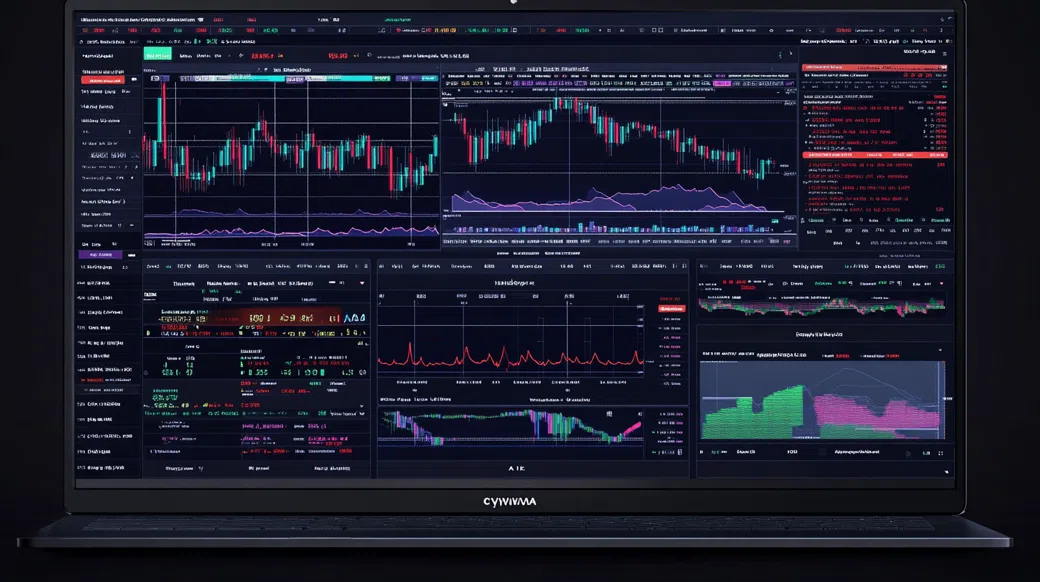
WebTrader is the main workstation here. The session stayed stable through repeated logins, and execution felt consistent on market orders; on a quick EUR/USD scalp around the London open, I saw fills land without drama, but you still need to expect slippage when liquidity thins or headlines hit. Order coverage was practical (market, limit, stop, SL/TP), though power users will notice the gap versus the plugin-heavy MT4/MT5 ecosystem—no custom EAs confirmed, and fewer third-party integrations.
The Majorfunds pro app is geared to monitoring and fast intervention: real-time quotes, watchlists, and one-tap position management are all in reach. The Majorfunds pro login flow supported biometric unlock on my device, and deposits/withdrawals were accessible from the same menu tree, which reduces friction when you need to de-risk quickly. Push notifications were available for price moves and order updates; the only quirk I noticed was that dense charts feel cramped on smaller screens, so I kept analysis on desktop and used mobile for execution checks.
Charting covers the retail essentials—multiple timeframes, common indicators (RSI, MACD, moving averages, Bollinger), plus basic drawing tools for levels and trendlines. There’s an economic calendar and a lightweight news feed; useful for “what’s next on the tape,” not for deep fundamentals. If your edge depends on advanced backtesting, custom indicators, or institutional research, you’ll hit the ceiling faster than on MT5/cTrader-style environments.
My onboarding started with the usual email + password, then a short profile covering experience, trading objectives, and a few AML-style declarations. Identity checks required a government-issued photo ID plus a proof of address dated within three months; verification cleared the same business day for me. Funding came next: I used a Visa card deposit, and the balance updated immediately after the confirmation screen.
For readers searching “Majorfunds pro minimum deposit,” the number is simple: $200, and you’ll want a bit more than that if you plan to trade indices with sensible stop distances. Base currency choices can affect conversion drag, so check your funding rail before you size up. I kept my first withdrawal small to test the plumbing before scaling—basic desk discipline for any offshore setup.
I tested support twice: first on live chat to ask how swap rates are displayed for the Raw/ECN-style account, then via email to confirm withdrawal processing steps after KYC. The chat queue didn’t linger—my reply came in roughly three minutes with a clear pointer to the instrument info panel and a note that overnight financing updates with market conditions. Email follow-up landed in about nine hours on a business day, with a checklist-style answer that matched what I saw in the portal.
Coverage is largely aligned with the segment: live chat runs 24/5, and email/tickets handle anything that needs a paper trail. Language breadth depends on staffing and region; Portuguese/Spanish support felt plausible in the flow, but I wouldn’t assume every desk has a native speaker at all times. Phone support may exist in some geographies, yet chat remains the primary lane—especially outside local business hours.
If you’re considering this broker, start by checking the live spreads on your target instruments and confirming your country’s eligibility before you fund. A demo pass is useful to understand margin impact at 1:500 leverage and how quickly stops trigger when volatility spikes.
Visit Majorfunds proIt can be, as long as you treat leverage with respect and start small. The WebTrader layout is not intimidating, and a $10,000 demo helps you practice order placement and risk sizing. Beginners should still expect a learning curve around swaps, margin calls, and volatility on indices and crypto CFDs.
Yes, crypto is available as CFDs, including large-cap pairs like BTC/USD and ETH-based listings. You’re trading price exposure, not taking delivery of coins, so there’s no on-chain wallet withdrawal. Financing and spreads can widen on weekends, which matters for position traders.
No—based on my 2026 hands-on checks, it functioned like an operating CFD broker with KYC enforcement and a working withdrawal workflow. The bigger question is protection level: it’s offshore-registered (Mauritius FSC), so you don’t get the same regulator backstops as Tier-1 venues. Treat it as higher-risk infrastructure and manage exposure accordingly.
No, the USA is restricted. US residents typically can’t open accounts due to local regulatory constraints around CFDs and derivatives. If you attempt signup from a blocked jurisdiction, KYC review usually stops the process.
Most withdrawals are processed internally within 24–48 hours after your KYC is approved. Receipt time then depends on the rail: cards commonly take 2–5 business days, bank wires 3–7 business days, and crypto transfers are often same-day. I recommend doing a small test withdrawal first, then scaling.
The Majorfunds pro minimum deposit is $200. That amount opens the door, but it may be tight if you plan to trade volatile instruments with wide stops. Consider your margin buffer, not just the entry requirement.
Yes, there are iOS and Android apps alongside the WebTrader. You can monitor prices, manage orders, and access deposits and withdrawals from mobile. For heavy chart work, desktop still feels more comfortable.
Overall Score: 4.0/5
From a trader’s lens, the product is coherent: decent instrument coverage, a usable Raw/ECN-style lane, and a WebTrader/mobile setup that does the job when you need to execute. The offshore wrapper (Mauritius FSC) is the real filter—fine for experienced users who understand counterparty risk, less ideal for anyone who expects strong regulator-led dispute pathways. My card deposit posted instantly and a small withdrawal followed the expected processing window, which is what I want to see before sizing up. If you go ahead with Majorfunds pro, keep leverage modest—CFDs are high-risk, and losses can exceed what new traders expect.
Best for: active CFD traders who want Raw/ECN-style pricing and multi-asset access on a proprietary platform. Avoid if: you require Tier-1 regulation, deep research tooling, or you’re prone to over-leveraging.