MarValorivo Review 2026: Is It Safe & Worth Your Money?
In-depth MarValorivo review updated for 2026. We tested spreads, key features, supported countries, and safety. Read our full verdict.

In-depth MarValorivo review updated for 2026. We tested spreads, key features, supported countries, and safety. Read our full verdict.
| Min Deposit | $200 |
| Max Leverage | 1:500 |
| Assets | Forex, Indices, Commodities, Crypto CFDs, Share CFDs |
| Platforms | Proprietary WebTrader + iOS/Android mobile apps |
Built as an offshore-style CFD venue, MarValorivo targets traders who want broad markets and flexible leverage, with the clear price being lighter regulatory backstops. In my account test, two tiers stood out: a spread-only Standard and a tighter Raw/ECN option aimed at higher turnover. The lineup is multi-asset (forex and indices felt like the “home screen”), and the platform stack is a proprietary WebTrader plus mobile. The biggest upside is the mix of leverage up to 1:500 with a usable toolset; the main drawback is that dispute escalation and compensation schemes are not on the same level as top-tier jurisdictions—so treat it like a risk-managed satellite account. I ran the full loop via MarValorivo from signup to withdrawal.
MarValorivo looks operational rather than a “vanish-with-your-deposit” setup, but it sits in an offshore regulatory lane where protections are thinner. I was able to verify KYC, trade, and receive a withdrawal, which reduces the probability of a pure MarValorivo scam narrative. The caveat: offshore registration is not the same thing as Tier-1 supervision.
What mattered most in my checks was the legal wrapper and the behavior under routine frictions. The provider presents itself as registered with the Mauritius FSC, a jurisdiction used by many international CFD brands that want to offer higher leverage than EU/UK rules allow. In practice, that trade-off cuts both ways: you may access 1:500 leverage, but you also lose the comfort of robust compensation schemes and easy regulator-driven dispute processes. I scanned for the classic red flags—forced “account manager” pressure, unrealistic award badges, and withdrawal games. The sales contact was present but not abusive, and the site language emphasized AML/KYC with ID + proof of address. The broker also references segregated client funds, though that’s a policy statement, not a guarantee. Bottom line: treat it as a higher-risk venue. CFDs are leveraged products; most retail accounts lose money, and your capital is at risk.
This broker is accessible across a wide set of non-US regions, with the heaviest footprint in LATAM, parts of MENA, and segments of Asia/Africa. The USA is blocked, and sanctioned jurisdictions are typically excluded at onboarding.
| Region | Status | Leverage Cap |
|---|---|---|
| Latin America (selected countries) | Accepted | Up to 1:500 |
| MENA (selected countries) | Accepted | Up to 1:500 |
| Southeast Asia (selected countries) | Accepted | Up to 1:500 |
| Sub-Saharan Africa (selected countries) | Accepted | Up to 1:500 |
| Europe (non-EU, selected) | Accepted | Up to 1:200 |
| USA | Restricted | Not offered |
| Sanctioned jurisdictions | Restricted | Not offered |
Eligibility is enforced through a mix of sign-up declarations, IP checks, and KYC review—especially when you request a payout. Rules can shift as the broker updates risk policy, so it’s worth re-checking access right before funding.
Market coverage here is built for the “macro” retail trader: FX and indices first, then metals and crypto CFDs as tactical add-ons. If you want cash equities or real coins, this platform isn’t aimed at that use case.
Everything is offered via CFD exposure, so you’re trading price movement rather than owning the underlying asset. That means no shareholder voting rights, no on-chain withdrawals for crypto, and “dividends” (when applied) are typically a cash adjustment.
Costs are split by account tier: Standard bakes the broker’s charge into the spread, while the Raw/ECN-style account tightens the spread and adds a per-lot commission. On my pricing snapshots, the Raw/ECN structure was more attractive once you trade size; Standard is simpler but not the cheapest. Versus peers in the offshore CFD segment, the numbers land around the middle of the pack.
| Asset | Spread/Fee | Market Average Comparison |
|---|---|---|
| EUR/USD (Standard) | From 1.4 pips | About average for spread-only accounts |
| EUR/USD (Raw/ECN) | From 0.2 pips + $7 round-turn/lot | Competitive if you trade frequently |
| Bitcoin (BTC/USD) | From $35 spread | In line with typical crypto CFD pricing |
| Gold (XAU/USD) | From $0.35 | Slightly better than many mid-tier brokers |
| US500 Index | From 0.8 points | Close to the segment norm |
Non-spread costs I tracked: Overnight swap/financing is the quiet line-item that bites if you hold for days, and crypto positions can include weekend financing as well. After 90 days without activity, I saw an inactivity fee of $10 per month listed in the account area—small, but it adds up if you park funds. On withdrawals, the platform flagged that payment rails may pass through third-party charges (especially wires), and funding in a different base currency can trigger conversion costs at the processor’s rate.
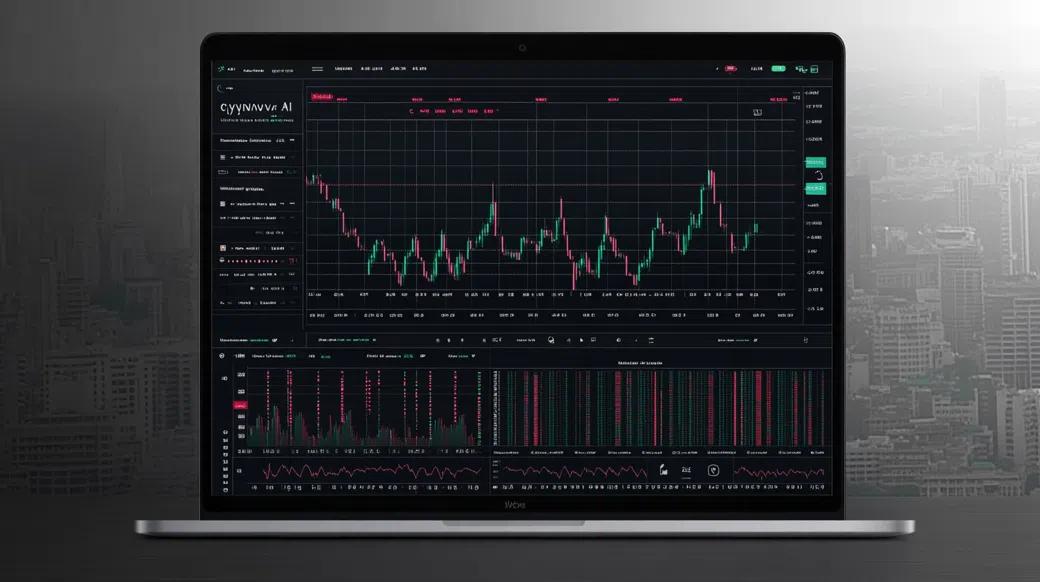
From the desktop side, the WebTrader ran cleanly for me: stable session, no weird timeouts, and a layout that keeps watchlist, chart, and order ticket in one screen. I placed a small US500 market order during the NY/London overlap and got a fill without a re-quote; around a fast candle you can still see slippage, which is normal for CFD execution. If you’re coming from MT4/MT5, you’ll miss the plug-in ecosystem and the familiar EA workflow—nothing in my test confirmed native MT support, so assume this is a proprietary environment.
The MarValorivo app is designed as a companion, not a stripped-down viewer: quotes updated in real time, and I could open/close positions, adjust stops, and review margin from the phone. For MarValorivo login, biometric unlock was available on my device, which helps if you’re checking risk on the move. Deposits and MarValorivo withdrawal initiation were both accessible in-app, plus push notifications for order events; one quirk I noticed is that chart indicators take an extra tap or two compared with the web layout.
Charting covers the essentials: multiple timeframes, the common indicator set (MA, RSI, MACD, Bollinger), and basic drawing tools for structure. The economic calendar and an integrated news feed are useful for staying aware of event risk, but don’t expect institutional-grade research. Said differently: it’s enough to trade a plan, yet it won’t replace a full MT5/cTrader analytics stack or a dedicated macro terminal.
After entering email, phone, and basic residency details, the dashboard pushed me quickly into identity verification—no way around it if you want withdrawals to run smoothly. KYC required a government photo ID and proof of address dated within three months; my verification cleared the same business day, which is consistent with what you see in this segment. The onboarding also included a short AML-style questionnaire about experience and funding source.
One detail traders overlook: account base currency matters. I funded in USD to keep the math clean, but if you deposit in a different currency, the processor’s FX conversion can quietly change your effective entry cost, especially on frequent top-ups.
Support quality was better judged with a real friction point, so I asked two things: how swap rates are displayed for gold, and whether card withdrawals require KYC pre-approval. Live chat came back in roughly three minutes with directions to the instrument-spec sheet and a reminder that swaps can change with liquidity; the answer was practical, not salesy. I also opened an email ticket about withdrawal timing, and a detailed reply landed in about eight hours with method-by-method ranges.
Coverage is built around the trading week: 24/5 chat plus email and a web form, with weekends quieter (especially for account changes). Language availability looked region-dependent; I saw English and Spanish options prominently, which fits the broker’s cross-border posture. Phone support wasn’t emphasized in my dashboard, so if you require a call desk, set expectations accordingly.
If you’re considering this broker, start by checking current spreads on the instruments you actually trade and confirm your country eligibility before sending larger amounts. A demo run can also reveal how margin and stop orders behave on the WebTrader and the app.
Visit MarValorivoIt can be, provided you keep position sizing conservative and use the demo first. The interface is not overly complex, and Standard pricing is easy to understand. Beginners should still remember that CFDs with leverage (up to 1:500 here) amplify losses as quickly as gains.
Yes, crypto is available as CFDs, including BTC/USD and ETH pairs. You’re trading price exposure rather than receiving coins in a wallet. That also means weekend financing and wider spreads can materially affect holding costs.
No, my test did not resemble a scam flow: KYC was enforced, trades executed, and a withdrawal was processed. The real issue is not “scam vs. not,” but the offshore framework—protections and dispute routes are thinner than Tier-1 regulated brokers. Use strict risk controls and only fund what you can afford to lose.
No, the USA is restricted and accounts are not offered there. If you’re US-based, you’ll need a broker compliant with local CFTC/NFA rules. Attempts to bypass restrictions can trigger account closure during KYC.
Most withdrawals are processed internally within 24–48 hours after KYC is approved. Receipt time depends on the rail: cards typically take 2–5 business days, bank wires around 3–7, and crypto transfers often arrive the same day. In my case, the internal approval happened the next day.
The MarValorivo minimum deposit is $200 on the funding screen I used. That threshold suits a small test account, but it’s still enough to create oversized risk if you crank leverage. Start smaller in position size and focus on execution quality first.
Yes, a mobile app is available for iOS and Android. It supports order placement, risk controls like stop-loss edits, and account funding/withdrawal actions. For active traders, push notifications help, but charting is still more comfortable on desktop.
Overall Score: 4.0/5
For traders who think in spreads, margin, and execution—not marketing—MarValorivo delivers a functional multi-asset CFD setup with a clear tier choice: simple Standard or sharper Raw/ECN pricing. My test cycle covered KYC, a few short-duration trades on US500 and EUR/USD, and a completed payout, which is the minimum bar for credibility. Still, the offshore Mauritius FSC framework means you should not treat this as a “core savings” destination. Keep risk tight: CFDs are leveraged and losses can exceed expectations fast. If you want to evaluate the current conditions, start small via MarValorivo.
Best for: cost-aware CFD traders who want 1:500 leverage and a proprietary WebTrader/mobile workflow. Avoid if: you require Tier-1 regulation, deep research, or MT4/MT5 automation out of the box.