Model Maxalt Opt Review 2026: Is It Safe & Worth Your Money?
In-depth Model Maxalt Opt review updated for 2026. We tested spreads, key features, supported countries, and safety. Read our full verdict.

In-depth Model Maxalt Opt review updated for 2026. We tested spreads, key features, supported countries, and safety. Read our full verdict.
| Min Deposit | $200 |
| Max Leverage | 1:500 |
| Assets | Forex, Indices, Commodities, Crypto CFDs, Share CFDs |
| Platforms | Proprietary WebTrader + iOS/Android mobile apps |
Built as an offshore CFD venue, Model Maxalt Opt targets traders who want broad market access with higher leverage, and the headline trade-off is lighter investor recourse than a top-tier licensed broker. In my test run, the account ladder split cleanly into a spread-only Standard and a tighter Raw/ECN-style tier, with pricing that makes more sense once you size up to frequent lots. The product menu leans practical—majors in FX, the big index contracts, and liquid crypto CFDs—rather than thousands of tiny single-stocks. Execution sits inside a proprietary WebTrader plus mobile apps; no MT4/MT5 was presented to me as a confirmed option. For the curious, start by checking the product list and terms on Model Maxalt Opt.
Model Maxalt Opt looked operational and functional in my testing—deposits, trading, and withdrawals followed a normal broker workflow—so I would not tag it as a “scam” based on observed behavior. The caveat is structural: it operates under an offshore framework, which changes how protections and complaints work.
Regulation-wise, the paperwork and footer disclosures pointed to a Mauritius FSC registration, which is common in the international CFD segment but not the same thing as FCA/ASIC-style supervision. That matters in practice: you typically get more flexible leverage (here up to 1:500), but you don’t get robust compensation schemes, and disputes are harder to push uphill if something goes wrong. I also ran a basic red-flag sweep—no aggressive “account manager” pressure, no fake trophy cabinet on the dashboard, and no impossible-profit messaging in the client area. On the safeguards side, the provider did force KYC (ID plus proof of address) before processing my withdrawal request and referenced segregated client funds language in its legal pages. Remember the product itself is risky: CFDs are leveraged instruments, margin calls happen fast, and most retail accounts lose money.
This broker is set up for international onboarding across parts of LATAM, Africa, and Asia, with access depending on residency and KYC results. The USA is blocked, and sanctioned/highly restricted jurisdictions are also excluded.
| Region | Status | Leverage Cap |
|---|---|---|
| Latin America (selected countries) | Accepted | Up to 1:500 |
| Southeast Asia (selected countries) | Accepted | Up to 1:500 |
| MENA (non-sanctioned) | Accepted | Up to 1:500 |
| Africa (selected countries) | Accepted | Up to 1:500 |
| USA | Restricted | Not offered |
| Sanctioned jurisdictions | Restricted | Not offered |
In practice, eligibility is enforced through residency checks during sign-up and document verification at KYC; IP signals can also trigger additional review. Country availability can shift with compliance policy, so re-check the allowed list before funding.
The lineup is built for “liquid-first” CFD trading: majors and headline indices are easy to find, and the crypto list sticks to big names rather than obscure tokens. For most retail traders, that’s a feature—not a limitation—because spreads and fills tend to behave better in the deep markets.
All exposure here is via CFDs, not spot ownership—so you don’t receive shareholder voting rights, and crypto positions are not on-chain. Any dividends on share CFDs are typically handled as cash adjustments rather than true dividend ownership.
Costs at Model Maxalt Opt depend on the account tier: Standard pricing is spread-only, while the Raw/ECN-style account aims for near-zero spreads plus a per-lot commission. On EUR/USD, my pricing snapshots landed in the expected offshore-CFD band—competitive on the Raw tier, more average on Standard.
| Asset | Spread/Fee | Market Average Comparison |
|---|---|---|
| EUR/USD (Standard) | From 1.6 pips | In line with offshore CFD averages |
| EUR/USD (Raw/ECN) | From 0.2 pips + $7 round-turn/lot | Often cheaper for frequent traders |
| Bitcoin (BTC/USD) | From $35 (variable) | Typical for crypto CFD venues |
| Gold (XAU/USD) | From $0.35 | Competitive to average depending on session |
| US500 Index | From 0.9 points | Broadly comparable to peers |
Non-spread costs that matter: Overnight swap/financing was the biggest “silent” cost on my held positions, and it compounds if you swing-trade indices or metals for multiple days. The platform also applied a $10/month inactivity fee after 90 days without trading, which is easy to forget if you park the account. On withdrawals, the broker side processed my request without adding an extra internal fee, but your payment rail can still impose charges (bank wire fees, card FX conversion, or wallet network costs). If you want to sanity-check current charges and swap tables, I’d verify them directly inside the client portal of Model Maxalt Opt.
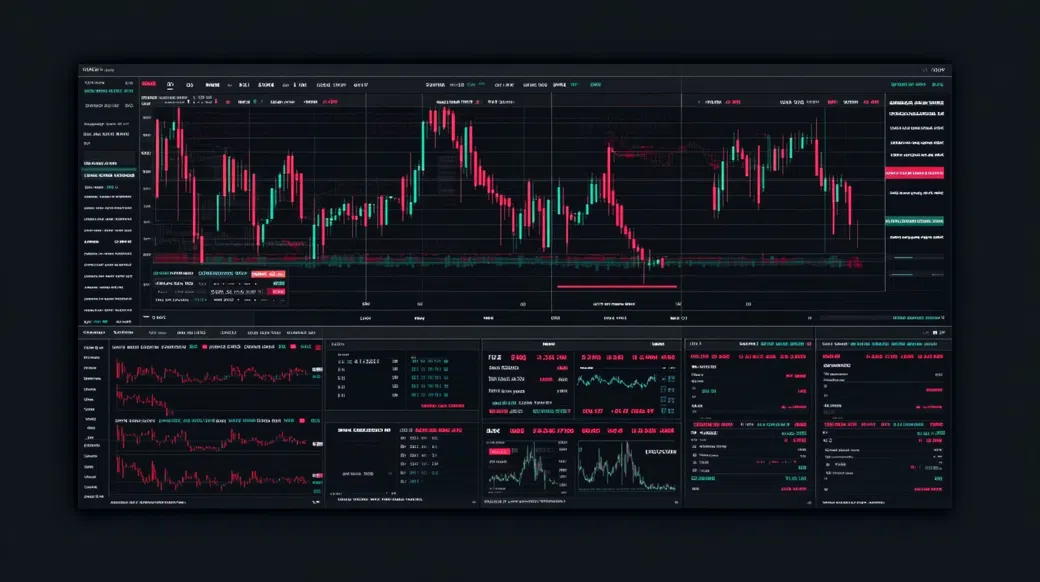
On desktop, the WebTrader loaded reliably across repeated sessions, and the order ticket covered the essentials: market/limit, stop-loss, take-profit, and position sizing tied to margin impact. I stress-tested execution around the NY overlap on US500 with back-to-back entries; fills were consistent, with mild slippage when I pushed market orders into faster candles. The gap versus MT4/MT5 is less about “can you trade” and more about ecosystem—no EAs marketplace, fewer third-party analytics add-ons, and less flexibility for advanced workflow.
The Model Maxalt Opt app handled the basics well: live quotes, chart viewing, position management, and deposit/withdrawal controls inside the same menu. For Model Maxalt Opt login, I used biometric unlock on Android, which reduced friction when checking margin mid-session. Order edits (SL/TP adjustments) were responsive, and push notifications for price alerts worked, though I’d like more granular alerts tied to margin level. One mobile quirk: charts felt slightly crowded in multi-indicator layouts, so I kept it to RSI plus moving averages.
Tooling is functional rather than institutional: multiple timeframes, common indicators (MA, RSI, MACD, Bollinger), drawing tools, and a clean watchlist system. The integrated economic calendar and news feed are enough to flag macro events, but it’s not a replacement for a dedicated terminal or a full MT5/cTrader research stack. For discretionary traders, it covers the bases; systematic traders will feel the ceiling quickly.
After entering email, phone, and a short personal details form, the dashboard immediately prompted identity checks—good AML hygiene, even if it adds friction. For KYC I uploaded a passport photo plus a recent utility bill (under three months), and verification cleared the next business day. Funding was unlocked right away, but the withdrawal screen remained gated until KYC was approved, which is exactly how these offshore setups try to keep chargeback risk under control.
One practical note from the São Paulo desk mindset: check base currency options before you wire—FX conversion costs can quietly eat into smaller accounts. If you plan to trade sporadically, calendar the 90-day inactivity mark to avoid the monthly dormancy charge.
I tested support with a specific question: how swap is calculated on XAU/USD and whether triple-swap applies midweek. Live chat routed me to an agent in roughly three minutes, and the answer referenced the instrument’s swap table plus the day-count convention in plain language. I followed up via email to confirm if swap rates could change intraday; the ticket reply came about eight hours later with the expected “rates are variable” clarification and where to view the current numbers inside the platform.
Coverage is broadly 24/5, which matches the FX week, and agents can handle standard topics (KYC, funding, platform navigation, basic fee questions). Language breadth felt region-dependent; English was solid, while Portuguese support wasn’t consistently available when I checked. Phone support wasn’t promoted as a primary channel, and weekends are predictably lighter—crypto trades run 24/7, but human support generally doesn’t.
If you’re considering this broker, start by opening a demo, then compare Standard vs. Raw pricing on the instruments you actually trade. Also confirm your country eligibility and withdrawal method before you scale up deposits—small operational details matter more than marketing banners.
Visit Model Maxalt OptYes, it can work for beginners if they stay small and use the demo first. The interface is simpler than pro terminals, but leverage up to 1:500 is not beginner-friendly behaviorally. New traders should start with low position sizes and treat CFDs as high-risk instruments.
Yes, crypto trading is available via CFDs, including BTC/USD and ETH/USD in my test account. That means you’re speculating on price with leverage rather than buying coins for self-custody. Weekend financing can apply, so check holding costs before keeping positions open.
No—based on my 2026 test cycle, the platform behaved like a functioning offshore CFD broker: I could fund, place trades, and request a withdrawal. The important nuance is oversight: it’s not a Tier-1 regulated setup, so your protections depend heavily on the broker’s internal controls and your own risk management.
No, USA residents are restricted. This is consistent with most offshore CFD providers that avoid US regulatory requirements. If you have US residency, you’ll need a CFTC/NFA-compliant alternative.
A Model Maxalt Opt withdrawal typically clears internal processing in 24–48 hours after KYC is complete. Receipt time then depends on the rail: cards usually take 2–5 business days, bank wires 3–7 business days, and crypto transfers often land the same day. My test withdrawal followed that pattern.
The Model Maxalt Opt minimum deposit is $200 on the onboarding flow I used. That level is enough to test live pricing, but it’s still small relative to the drawdown potential of leveraged CFDs. If you’re new, consider staying on demo until your process is stable.
Yes, there is a Model Maxalt Opt app for iOS and Android. You can monitor quotes, manage orders, and handle funding tasks from the phone, including withdrawals once verified. For heavier chart work, I still preferred WebTrader on a larger screen.
Overall Score: 4.0/5
Numbers first: pricing on the Raw/ECN-style tier is the main reason to consider Model Maxalt Opt, especially if you’re trading liquid FX and indices and care about all-in cost per round trip. The platform experience is competent, deposits and KYC followed a predictable AML path, and my withdrawal request moved through within the stated window. Where I stay cautious is jurisdictional—offshore registration changes the safety net, so your position sizing and withdrawal discipline matter more than usual. If you decide to proceed, keep risk tight; CFDs are leveraged and capital is at risk. For the latest conditions, check Model Maxalt Opt directly.
Best for: active CFD traders who want Raw-style pricing and can manage leverage responsibly. Avoid if: you require Tier-1 regulation, guaranteed compensation schemes, or MT4/MT5-specific workflows.