Model Maxalt Opt Trading Platform Alternatives 2026
Compare Model Maxalt Opt alternatives for 2026: regulated brokers, real costs (spreads/commissions), platforms, execution, and a safer switch checklist.

Compare Model Maxalt Opt alternatives for 2026: regulated brokers, real costs (spreads/commissions), platforms, execution, and a safer switch checklist.
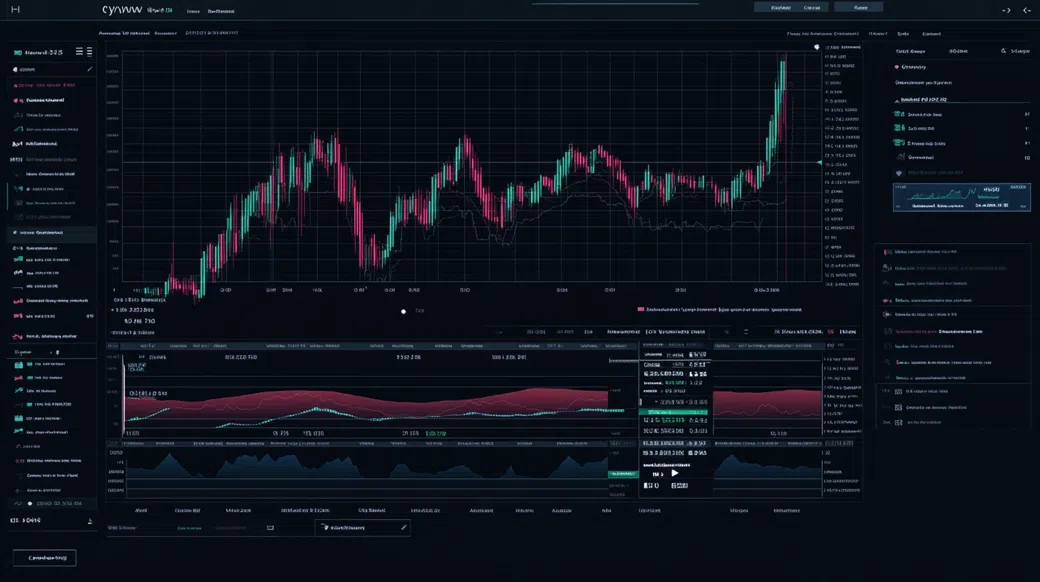
Leverage sells dreams fast; spreads collect reality one pip at a time. That’s the lens I use when readers ask about Model Maxalt Opt alternatives in 2026—especially those trading from the US/EU where rules, reporting, and product design are tighter. Model Maxalt Opt, as typically observed in the offshore CFD space, looks built around forex and CFDs via a proprietary WebTrader plus mobile apps. The numbers tend to be familiar for this category: EUR/USD “from ~2.0 pips” on a standard-style setup, leverage up to roughly 1:500, and a minimum deposit that often lands around $250. Those inputs matter because they drive your breakeven per trade and your risk of a margin call.
On the safety side, the bigger question is jurisdiction. Providers in this segment commonly operate under an offshore framework such as the Seychelles FSA rather than a Tier‑1 regime like the FCA, ASIC, CySEC, or the US NFA/CFTC. That doesn’t automatically make a platform unusable, but it does change the dispute process, disclosure standards, and the practical meaning of “client protection.” If your trading plan depends on consistent execution, predictable funding/withdrawals, and tools like MT4/MT5 or cTrader, you’ll want to benchmark it against regulated options—not marketing pages. This guide lays out what to compare, which regulated brokers fit different profiles, and how to migrate capital safely from Model Maxalt Opt without turning a platform change into a P&L event.
Disclaimer: This article is for informational purposes only and does not constitute investment advice. CFDs and other leveraged products carry a high risk of loss and may not be suitable for all investors.
From an execution and product standpoint, Model Maxalt Opt fits the “CFD-first” template: forex pairs (roughly 30–50), index and commodity CFDs, and usually a menu of crypto CFDs (often 10–30 coins). The operating model in this corner of the market is commonly market-maker style, where pricing and fills are internalized rather than routed to an exchange or true DMA venue. That matters because slippage and order re-quotes can show up precisely when volatility is highest—exactly when retail traders tend to size up. For anyone comparing brokers similar to Model Maxalt Opt, the practical distinction is whether the broker is built to support systematic execution and transparent reporting, or mainly to keep things simple and high-leverage.
The proprietary WebTrader experience is typically functional, not institutional. Charting usually covers the basics: multiple timeframes, standard indicators, and common drawing tools. Order placement tends to focus on market/limit/stop with basic risk controls, while advanced order types and deeper analytics are less consistent than on MT4/MT5 or cTrader. Mobile apps on iOS/Android often mirror the essentials—watchlists, quick tickets, and account history—though desktop browsers usually get the smoother workspace. Execution “feels” acceptable in calm markets; the real test is news spikes, where latency and price gaps expose the platform stack.
Costs are where the math gets loud. A typical standard-style quote of EUR/USD from about 2.0 pips is common in offshore CFD offerings, and it’s expensive for active traders. Some brokers in this tier advertise a Raw/ECN-style option; if present, the pattern is often ~0.0–0.4 pips plus a commission around $5–$8 round turn. Add the less visible line items: swap/overnight financing on held positions, potential withdrawal charges depending on method, and inactivity fees that can quietly penalize low-frequency accounts. Put differently: competitors to Model Maxalt Opt can win simply by being cheaper and more explicit about the fee schedule.
A platform switch rarely starts with a headline; it starts with small discrepancies that compound. For many, it’s not even the spread—it’s the combination of offshore leverage, limited platform tooling, and uncertainty around how quickly funds move when you need them. Model Maxalt Opt alternatives are most compelling when your strategy needs reliable execution (slippage control matters), your jurisdiction demands stronger supervision, or your product needs expand beyond a CFD menu. High leverage such as 1:500 can magnify outcomes, but it also shortens the distance to a margin call when volatility jumps.
Think of broker selection like a risk-budget decision, not a UI preference. Start by defining what can break you—execution quality, funding reliability, or product mismatch—then choose the broker whose structure reduces that specific risk. For alternatives to the Model Maxalt Opt trading platform, I like to score candidates on regulation first, then costs, then platform/execution, and only then on “features.” A pretty chart doesn’t compensate for weak safeguards.
In the US/EU context, regulation is not a badge—it’s a legal framework. FCA-regulated firms can fall under the FSCS (up to £85,000, eligibility rules apply). CySEC oversight can connect to the ICF (up to €20,000, subject to conditions). ASIC and NFA/CFTC bring their own disclosure and enforcement standards. Also ask how client money is held: segregated client funds is a minimum expectation in many regulated setups, while offshore arrangements can be looser and harder to enforce cross-border.
Match instruments to your actual plan. FX and index CFDs cover many active retail strategies, but investors who want long-term exposure often need real stocks and ETFs (with shareholder rights) rather than stock CFDs. Options and futures matter for hedging and defined-risk structures; they’re also where you’ll feel the difference between a “trading app” and a true multi-asset broker. Platforms like Model Maxalt Opt typically lean toward CFDs; some regulated peers add exchange routing and broader product access.
Costs come in layers: spread (in pips), commission (often per lot), and financing (swap/overnight) if you hold. The clean comparison is round‑turn cost-of-trade for your typical size and frequency. For a scalper doing 200 round turns per month, shaving 1.0 pip on EUR/USD can be the difference between a viable edge and a slow bleed—before you even price in slippage. Read the fee schedule for inactivity and withdrawals too; those hit account equity just the same.
Platform choice decides what you can actually execute. MT4/MT5 and cTrader support deeper automation, broader indicator ecosystems, and standardized workflows across brokers. Proprietary WebTrader stacks can be fine for discretionary trading, but they vary widely in stability under load. Execution model matters: market maker vs STP/ECN/DMA changes how your orders are filled and how slippage shows up. When you compare, don’t rely on a demo—test small live orders during liquid and fast markets.
Support quality is measurable: response time, escalation clarity, and whether funding/withdrawals are handled by people who can actually solve issues. US/EU traders should also look for transparent KYC/AML workflows, clean reporting, and mobile parity that doesn’t hide key controls. Education is a bonus, not a substitute for safeguards. If you’re migrating from Model Maxalt Opt, prioritize brokers with clear documentation on margin policies, negative balance protection (where applicable), and complaint procedures.
Forex/CFDs are the core product here, and the comparison is mainly cost + execution. With EUR/USD often framed around ~2.0 pips on a standard-style account and leverage up to ~1:500, the platform can look attractive to small accounts—but that spread is a tax on every entry and exit. Regulated FX/CFD specialists like Pepperstone or IC Markets are frequently chosen by active traders because they offer raw-spread accounts where EUR/USD can be near 0.0–0.3 pips plus commission (conditions vary by entity), and they support MT4/MT5 and cTrader for systematic workflows. The second differentiator is execution: STP/ECN-style routing (where offered) and robust trade reporting can make slippage and fills easier to audit. Remember: higher leverage increases sensitivity to price moves; it doesn’t improve expectancy.
This is where many traders discover the real gap between “CFD access” and ownership. Offshore CFD platforms often provide stock/ETF exposure only through CFDs (if offered at all), which means no shareholder rights, no direct participation in corporate actions as an owner, and pricing that depends on the broker’s CFD terms. If you need real shares and ETFs with broad market reach, Interactive Brokers (IBKR) is hard to ignore: it’s built for multi-asset investing and trading with exchange access, and it scales from small portfolios to professional workflows. Saxo Bank is another multi-asset option for investors who want a consolidated view across stocks, ETFs, bonds, and derivatives. For US/EU readers, the practical question is simple: do you want to trade price moves (CFDs) or build ownership exposure (cash equities/ETFs)?
Crypto on many CFD-first platforms is typically “crypto CFDs,” not on-chain ownership. That means you’re speculating on price via a derivative; you’re not withdrawing coins to a wallet, and you’re taking counterparty risk to the broker rather than protocol risk. In regulated markets, availability varies by region and entity, but brokers like IG and Plus500 often provide crypto CFDs for eligible clients alongside their broader CFD menus. The decision point is risk framing: crypto CFDs add leverage, spreads, and overnight financing to an already volatile asset. If your objective is directional trading with tight risk controls, regulated providers with clear product disclosures and margin rules usually offer a cleaner setup than offshore venues. If your objective is holding crypto as an asset, that’s a different infrastructure question entirely.
Regulation: SEC/FINRA (US), FCA (UK), IIROC (Canada) (entity depends on residency)
Markets: Stocks, ETFs, options, futures, bonds, FX (spot), funds (availability varies by region)
Fees: FX pricing is typically tight on major pairs with commission-based structures; equities pricing varies by venue and plan
Platform: Trader Workstation (TWS), IBKR Desktop, web portal, mobile; API access for advanced users
Best For: Multi-asset investors who want real market access
Regulation: FCA, ASIC, CySEC, DFSA (entity depends on residency)
Markets: FX and CFDs (indices, commodities; crypto CFDs where offered; product set varies by entity)
Fees: Standard spreads often around ~1.0+ pip on EUR/USD; Raw accounts commonly near ~0.0–0.3 pips + commission (varies)
Platform: MT4, MT5, cTrader, TradingView integration (availability varies)
Best For: Active FX traders optimizing for low spreads
Regulation: FCA, MAS, DFSA (entity depends on residency)
Markets: Stocks, ETFs, bonds, FX, options, futures, CFDs (product access varies by jurisdiction)
Fees: FX spreads are typically competitive on major pairs; investing fees depend on market and account tier
Platform: SaxoTraderGO, SaxoTraderPRO
Best For: Portfolio-style traders who still want derivatives
Regulation: FCA, ASIC, MAS (entity depends on residency)
Markets: CFDs (FX, indices, commodities, shares), spread betting (UK/IE), limited investing features in some regions
Fees: FX spreads often from ~0.6+ pips on major pairs (account type and region matter); financing applies on CFD holds
Platform: IG web platform, mobile apps; MT4 available in some regions
Best For: Macro CFD traders who value a mature risk framework
Regulation: ASIC, CySEC (plus offshore entities in the group for some regions)
Markets: FX and CFDs (indices, commodities; crypto CFDs where offered; product set varies by entity)
Fees: Raw spreads commonly near ~0.0–0.3 pips on EUR/USD + commission; Standard accounts typically wider (varies)
Platform: MT4, MT5, cTrader
Best For: Algorithmic traders needing MT4/MT5/cTrader
Regulation: FCA, CySEC, ASIC, MAS (entity depends on residency)
Markets: CFDs on FX, indices, commodities, shares; crypto CFDs where permitted
Fees: Spread-based pricing; typical EUR/USD can be around ~0.6–1.5 pips depending on conditions; overnight fees apply
Platform: Proprietary web platform and mobile apps
Best For: Beginners who want a simple CFD interface
| Platform | Regulation | Main Markets | Typical Costs | Best For |
|---|---|---|---|---|
| Interactive Brokers (IBKR) | SEC/FINRA, FCA, IIROC | Real stocks/ETFs, options, futures, bonds, FX | Commission-based; FX typically tight on majors | Multi-asset investors who want real market access |
| Pepperstone | FCA, ASIC, CySEC, DFSA | FX + CFDs (indices/commodities; crypto CFDs where available) | Raw ~0.0–0.3 pips + commission; Standard ~1.0+ pip | Active FX traders optimizing for low spreads |
| Saxo Bank | FCA, MAS, DFSA | Stocks/ETFs/bonds + FX + options/futures + CFDs | Competitive FX spreads; investing fees vary by market/tier | Portfolio-style traders who still want derivatives |
| IG | FCA, ASIC, MAS | CFDs (FX, indices, commodities, shares); spread betting (UK/IE) | FX spreads from ~0.6+ pips; financing on CFD holds | Macro CFD traders who value a mature risk framework |
| IC Markets | ASIC, CySEC | FX + CFDs (indices/commodities; crypto CFDs where available) | Raw ~0.0–0.3 pips + commission; Standard wider | Algorithmic traders needing MT4/MT5/cTrader |
| Plus500 | FCA, CySEC, ASIC, MAS | CFDs on FX, indices, commodities, shares, crypto (where allowed) | Spread-based; EUR/USD often ~0.6–1.5 pips; overnight fees | Beginners who want a simple CFD interface |
Migration is a controls problem: reduce operational risk while keeping market risk intentional. The clean approach is to set up the destination first, then unwind exposure, then move cash—because brokers don’t “transfer” CFD positions the way equity custodians can. Also, don’t let leverage seduce you into oversizing during the changeover; execution differences can turn a routine switch into a drawdown. If you’re exiting Model Maxalt Opt, treat funding and documentation as seriously as the trading strategy itself.
If you’re still evaluating, check the current onboarding steps, eligible countries, and the exact product list you’d receive under your account entity. Then benchmark spreads, swap rates, and platform tooling against the regulated substitutes in this guide before committing meaningful capital.
Visit Model Maxalt OptThe best choice depends on whether you need real multi-asset access or just FX/CFDs with lower trading costs. For real stocks/ETFs, Interactive Brokers (IBKR) is a frequent first stop; for FX execution and automation, Pepperstone or IC Markets are more directly comparable to platforms like Model Maxalt Opt. In the UK/EU CFD lane, IG and Plus500 are often picked for their regulated frameworks and straightforward platforms.
Model Maxalt Opt appears consistent with an offshore/unregulated-style CFD provider, commonly associated with jurisdictions such as the Seychelles FSA rather than Tier‑1 regulators like the FCA, ASIC, CySEC, or NFA/CFTC. That structure can mean fewer investor-protection mechanisms and a weaker path for formal complaints compared with regulated brokers. If safety is your priority, compare regulated options vs Model Maxalt Opt and verify the exact legal entity on the regulator’s register.
Model Maxalt Opt is typically oriented to forex and CFDs, and any “stocks” exposure is often via stock CFDs rather than owning shares. Futures access is commonly limited on CFD-first offshore platforms, while crypto is usually offered as crypto CFDs (price exposure, not on-chain ownership). If you need exchange-traded stocks/ETFs or futures, brokers similar to Model Maxalt Opt are usually less suitable than IBKR or Saxo Bank for that specific requirement.
Before switching, verify regulation and the correct legal entity, then map your strategy to the new broker’s costs (spread + commission + swap) and platform stack (MT4/MT5/cTrader vs proprietary). Confirm funding rails, withdrawal rules, and whether negative balance protection applies under your region’s entity. Finally, test execution with small live trades so you can see slippage behavior under real market conditions.
About the Author: Carlos Mendes is a former equity desk analyst from São Paulo who covers emerging-market brokerages and Latin American fintech through a numbers-first lens. He focuses on trading costs, execution quality, and the practical impact of regulation on client outcomes rather than platform hype.