Monsteadleaf Review 2026: Is It Safe & Worth Your Money?
In-depth Monsteadleaf review updated for 2026. We tested spreads, key features, supported countries, and safety. Read our full verdict.

In-depth Monsteadleaf review updated for 2026. We tested spreads, key features, supported countries, and safety. Read our full verdict.
| Min Deposit | $200 |
| Max Leverage | 1:500 |
| Assets | Forex, Indices, Commodities, Crypto CFDs, Share CFDs |
| Platforms | WebTrader (browser) + iOS/Android app |
Built as a multi-asset CFD venue, Monsteadleaf fits traders who want leverage and fast market access more than they want a long regulatory paper trail—the headline trade-off is flexibility versus an offshore framework. In my account, Standard pricing ran spread-only, while the tighter Raw/ECN-style tier was geared toward frequent tickets. The menu leans practical: majors and indices first, then metals, energy, and a workable set of crypto CFDs. Platform-wise it’s a proprietary WebTrader plus mobile, with clean execution controls but a smaller ecosystem than MT4/MT5-heavy brokers. For a quick read on features and limits, start at Monsteadleaf.
Monsteadleaf looks operational and tradable, not a “vanishing broker” scam, based on my ability to verify identity, place orders, and withdraw funds. The caveat is structure: it operates under an offshore registration model, which typically offers higher leverage but thinner investor-protection scaffolding than top-tier regulators.
I started with the paperwork, not the spreads. The broker presented a Mauritius FSC registration pathway in its onboarding and disclosures, and the KYC gate was real: government photo ID plus a proof of address dated within three months. Offshore regulation matters in practice because compensation schemes and complaint escalation are usually lighter, and that’s the price paid for features like 1:500 leverage and broader product menus. On my red-flag scan, I looked for the usual suspects—pushy “account manager” upsells, fake awards, or withdrawal friction—and didn’t hit the worst of it. The site language referenced segregated client funds, and verification was enforced before cash-out, which is at least consistent with AML expectations. Still, this is CFD trading: leverage magnifies both wins and losses, and most retail accounts lose money—risk control beats marketing every day.
This broker mainly targets clients in Latin America, parts of MENA, and selected non-EU European jurisdictions; access is blocked for the USA and sanctioned countries.
| Region | Status | Leverage Cap |
|---|---|---|
| Latin America (selected) | Accepted | Up to 1:500 |
| MENA (selected) | Accepted | Up to 1:500 |
| Southeast Asia (selected) | Accepted | Up to 1:500 |
| Non-EU Europe (selected) | Accepted | Up to 1:200 |
| USA | Restricted | Not offered |
| Sanctioned jurisdictions | Restricted | Not offered |
Eligibility is enforced in layers: IP checks at the front door, then country and document consistency during KYC. Policies move with compliance and banking rails, so the “accepted” list can change even if the website hasn’t caught up.
Instruments are arranged like a trader built the shelf: liquid indices and FX pairs are easy to reach, with commodities and crypto CFDs as the tactical add-ons. Depth is adequate for directional trading and hedging, less so for niche or long-tail exposure.
All of this is CFD exposure, meaning you’re trading price differences rather than owning the underlying asset. No shareholder voting, no physical delivery, and crypto positions aren’t on-chain custody—risk is managed via margin, stops, and position sizing.
Costs hinge on which account tier you pick: Standard folds the charge into the spread, while the Raw/ECN-style option compresses spreads and adds a per-lot commission. On balance, the totals are broadly in line with offshore CFD peers—competitive on majors in the active tier, more average on the entry tier.
| Asset | Spread/Fee | Market Average Comparison |
|---|---|---|
| EUR/USD (Standard) | From 1.6 pips | Slightly higher than the tightest global brokers; typical for offshore CFD accounts |
| EUR/USD (Raw/ECN) | From 0.2 pips + $7 round-turn/lot | Competitive for active traders when combined cost is considered |
| Bitcoin (BTC/USD) | From $28 | In the middle of the pack; varies with volatility and session |
| Gold (XAU/USD) | From $0.35 | Reasonable versus CFD peers; widens around macro releases |
| US500 Index | From 0.9 points | Close to category norms for proprietary platforms |
Non-spread costs that moved my P&L math: Overnight swap/financing is the silent expense—hold leveraged FX or indices for a week and you’ll feel it. The broker also applies a $10 monthly inactivity fee after 90 days without trading, which turns “set and forget” into a slow leak. On withdrawals, the platform’s side didn’t add a surprise admin charge in my test, but your card issuer, bank, or crypto network fees still apply; conversion costs can bite if you fund in one currency and settle in another.
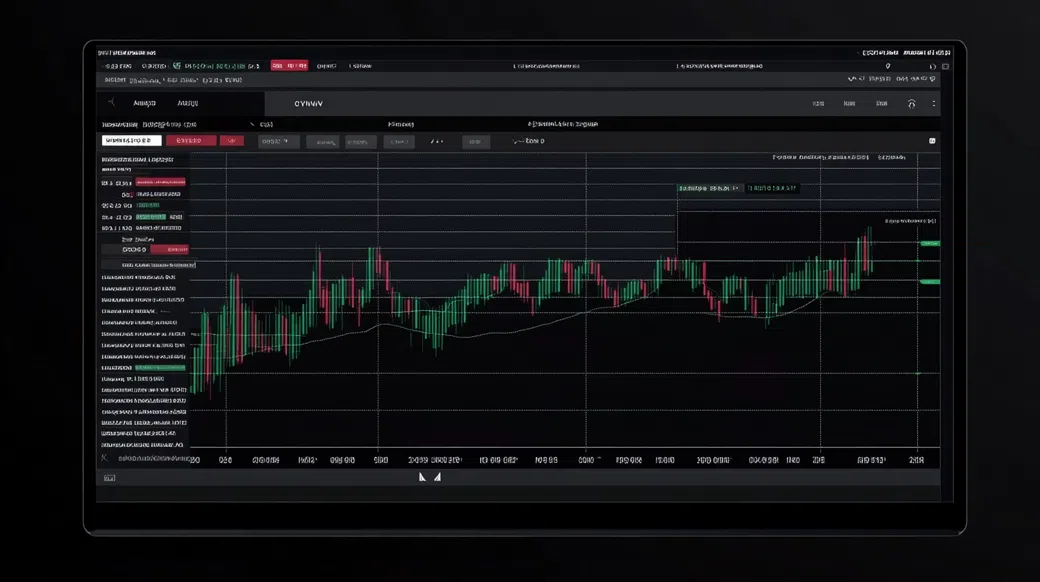
WebTrader is built for execution, not for bragging rights. My browser session stayed stable through the New York overlap, and market/limit/stop orders were easy to stage with clear margin impact before sending. There’s no need to hunt through menus for position controls, but power users will notice the gap versus an MT4/MT5 plugin universe—custom indicators and automation aren’t the platform’s natural habitat.
The Monsteadleaf app focuses on speed: quotes update cleanly, you can manage stops/limits from the position screen, and deposits/withdrawals are accessible without switching devices. Monsteadleaf login supported biometric unlock on my phone, which helped for quick checks during commute hours. Push notifications covered order status and margin alerts; the one quirk I saw was occasional chart “snap-back” when rotating the screen, more annoyance than deal-breaker.
Charting comes with the expected toolkit—multi-timeframe views, indicator staples like RSI/MACD/Bollinger, and drawing tools for levels and channels. An economic calendar and integrated news feed are present, useful for avoiding obvious event risk, though the research depth won’t replace a dedicated terminal. Alerts and watchlists do the job; systematic traders will still want external analytics for model-driven decisions.
My signup flow asked for the basics (email, phone, country, trading experience) before pushing me into verification. KYC required a government-issued photo ID and a proof of address (I used a bank statement under three months), and approval landed the same business day. The screens were more “compliance-first” than flashy, which I actually prefer—less sales theater, more checklists.
One practical note: base currency choices matter if you’re funding from LATAM—conversion fees can outweigh a “tight” spread over time. I also prefer verifying early; waiting until the first Monsteadleaf withdrawal is when small document mismatches become expensive delays.
I tested support with a trader’s question, not a generic “hello”: I asked for the swap rate basis on XAU/USD and whether triple-swap applied on a specific weekday. Live chat came back in about three minutes with a clear explanation and pointed me to where the nightly financing is displayed inside the platform; the agent didn’t dodge the numbers. For a second channel, I opened an email ticket about withdrawal sequencing (card vs. crypto) and had a complete answer in roughly nine hours.
Coverage is aligned with market hours—24/5 availability on chat fits FX/indices, while weekends are thinner and more “email-first.” Language support felt workable for international clients but will vary by shift, and phone help is not positioned as the main route. Relative to similar offshore CFD venues, responsiveness was above average; the quality was the real differentiator.
If you’re considering this broker, start by checking your country eligibility and opening a demo to stress-test spreads during your usual trading hours. After that, verify KYC before funding meaningful size—withdrawal friction is where brokers earn (or lose) credibility.
Visit MonsteadleafIt can be, provided you treat it as a leveraged CFD platform and keep position sizing conservative. The WebTrader and app are easy to navigate, and a $10,000 demo helps you learn margin mechanics without real losses. Beginners should still expect limited education content compared with big regulated brands.
Yes, crypto is available as CFDs, including BTC/USD and ETH/USD. That means you’re trading price moves with leverage rather than holding coins on-chain. Pay attention to weekend financing and wider spreads during volatility spikes.
No, my test account behaved like a functioning brokerage service: KYC was enforced, orders filled, and withdrawals processed. The more nuanced point is regulatory level—this is an offshore setup (Mauritius FSC), so protections differ from FCA/ASIC-style regimes. Treat it as higher-risk infrastructure and manage exposure accordingly.
No, the USA is restricted. The platform applies eligibility controls through location and KYC checks, so attempting to register from a blocked jurisdiction typically fails at verification. If you travel, expect extra scrutiny when documents and IP don’t match.
Most withdrawals are approved internally within 24–48 hours after KYC is complete. From there, delivery depends on the rail: cards typically land in 2–5 business days, bank wires in 3–7 business days, and crypto is often same-day once broadcast. Timing also shifts with weekends and compliance reviews.
The minimum deposit is $200. That’s enough to test real fills, but it doesn’t justify high leverage—margin can vanish fast in a two-way market. If you’re funding in a different currency, factor conversion costs into your starting balance.
Yes, it offers iOS and Android apps alongside the browser-based WebTrader. You can monitor positions, adjust stops/limits, and handle funding from the phone, including biometric access on supported devices. For complex analysis, the desktop charting still feels cleaner.
Overall Score: 4.0/5
Spreads won’t make you rich, but operational discipline matters more—and on that score, Monsteadleaf did enough things right in my tests: KYC was enforced, execution felt consistent on liquid markets, and the withdrawal arrived without the classic “one more document” loop. The offshore angle (Mauritius FSC) is the line you shouldn’t ignore, especially if you’re trading high leverage or planning to scale. Use it like a CFD tool, not like a bank account, and keep risk controls tight. For traders who value platform simplicity and multi-asset access, Monsteadleaf is a credible option in 2026.
Best for: active CFD traders in accepted regions who want a simple WebTrader/app setup and can manage leverage responsibly. Avoid if: you require Tier-1 regulation, deep research/education, or you’re prone to overtrading with 1:500 margin.