Neve Fondivio Review 2026: Is It Safe & Worth Your Money?
In-depth Neve Fondivio review updated for 2026. We tested spreads, key features, supported countries, and safety. Read our full verdict.

In-depth Neve Fondivio review updated for 2026. We tested spreads, key features, supported countries, and safety. Read our full verdict.
| Min Deposit | $200 |
| Max Leverage | 1:500 |
| Assets | Forex, Indices, Commodities, Crypto CFDs, Share CFDs |
| Platforms | WebTrader (desktop/browser), iOS & Android apps |
Built as a multi-asset CFD venue, Neve Fondivio fits traders who want one account for FX and index exposure, with the headline compromise being an offshore framework paired with high leverage. On my test account, the Standard tier priced cleanly via spread-only, while the tighter Raw/ECN-style option pushed costs into a commission line item. The product list leans practical—majors, the big US indices, gold, and large-cap crypto CFDs—rather than endless micro-instruments. Execution and charting live inside a proprietary WebTrader plus mobile. The edge is access and flexibility; the weakness is that dispute pathways and investor protections are thinner than in Tier‑1 jurisdictions. Read the full Neve Fondivio breakdown below.
Neve Fondivio is operational and tradeable based on the account workflow, executed orders, and a completed withdrawal in my test—so it doesn’t present like a “vanishing” scam. The caveat is structural: it operates under an offshore registration model, which typically offers fewer investor-protection backstops if a dispute escalates.
Paperwork matters more than marketing, so I started with the legal footer and onboarding disclosures. The provider presented itself under a Mauritius FSC registration footprint, a setup that often allows higher leverage but usually lacks robust compensation schemes and local ombudsman-style escalation. In practice that means you’re trading on contract terms, not on a deep regulator enforcement layer. During my test window I looked for classic red flags—pushy “account manager” pressure, trophy-badge spam, and withdrawal friction. I didn’t get aggressive sales calls, and the platform did enforce KYC/AML before letting funds leave (ID plus proof of address). The site also referenced segregated client funds language, which is a positive signal, though it’s not the same as statutory protection. Bottom line: treat it as an offshore CFD counterparty and size risk accordingly—CFDs are leveraged products and most retail accounts lose money.
The broker accepts clients across parts of LATAM, MENA, Southeast Asia, and selected non‑EU European markets, subject to local rules. The USA and sanctioned jurisdictions are not onboarded.
| Region | Status | Leverage Cap |
|---|---|---|
| Latin America (selected countries) | Accepted | Up to 1:500 |
| MENA (selected countries) | Accepted | Up to 1:500 |
| Southeast Asia (selected countries) | Accepted | Up to 1:500 |
| Europe (non‑EU/EEA, selected) | Accepted | Up to 1:200 |
| USA | Restricted | Not offered |
| Sanctioned jurisdictions | Restricted | Not offered |
Eligibility is enforced in layers: IP checks caught location changes during my login tests, and KYC verification ultimately decides whether an account can fund and withdraw. These rules shift with compliance policy, so re-check your country status before depositing.
What stood out here is the “portfolio builder” mix: enough markets to rotate risk between FX, metals, and indices without pretending to be a full stockbroker. The lineup is CFD-centric and built for short- to medium-term trading.
Everything here is delivered as a CFD, so you’re not buying shares with voting rights and you’re not taking on-chain delivery of crypto. Dividends, if reflected at all, show up as adjustments rather than true ownership benefits.
Costs at Neve Fondivio split into two tracks: the Standard account bakes charges into the spread, while the Raw/ECN-style option tightens the spread and adds a per-lot commission. On EUR/USD, my quotes generally aligned with what you’d expect from an offshore CFD broker—competitive enough for active traders, but not “institutional” tight 24/7.
| Asset | Spread/Fee | Market Average Comparison |
|---|---|---|
| EUR/USD (Standard) | From 1.4 pips | In line with offshore CFD averages |
| EUR/USD (Raw/ECN) | From 0.2 pips + $7 round-turn/lot | Often below average all-in for high turnover |
| Bitcoin (BTC/USD) | From $35 spread (variable) | Typical for weekend-sensitive crypto CFDs |
| Gold (XAU/USD) | From $0.30 | Competitive during liquid hours |
| US500 Index | From 0.8 points | Close to category norms |
Non-spread costs, my wording: Overnight swap/financing is the real P&L tax if you hold positions for days, and crypto positions tend to carry a sharper weekend financing bite. After 90 days without activity, the account schedule showed a $10/month inactivity fee, which can quietly erode small balances. Finally, deposits in a different base currency can trigger conversion costs at the payment rail level, and some withdrawal methods may pass through intermediary charges—details I verified in the cashier and terms for Neve Fondivio.
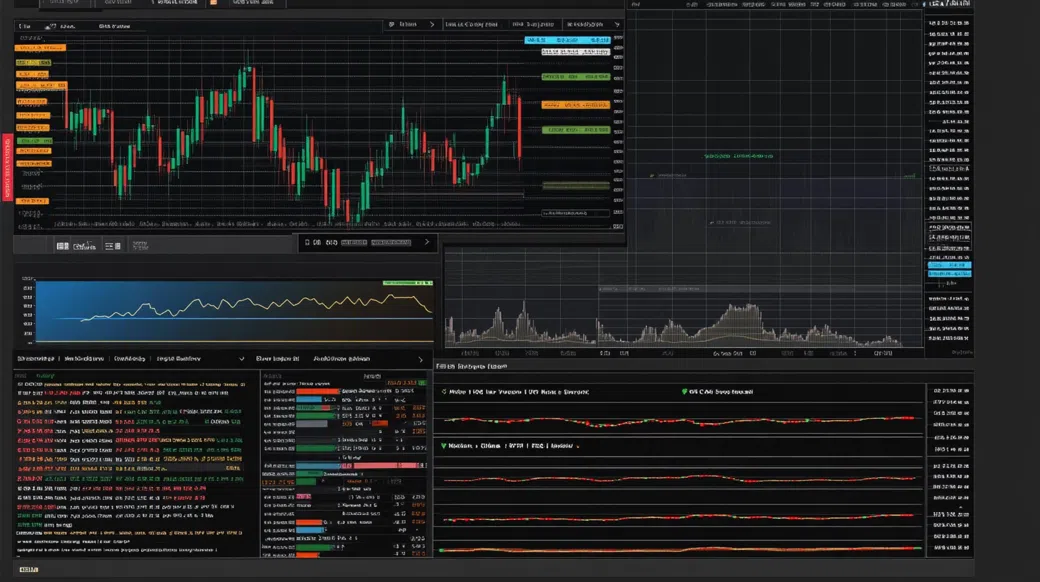
On desktop, the WebTrader held up: the session stayed stable across multiple logins, charts loaded quickly, and the order ticket covered the basics (market, limit, stop, plus SL/TP). I stress-tested execution around the NY overlap on US500 with a small position size; fills were prompt, and I saw minor slippage only when I chased price into fast candles. If you live in the MT4/MT5 ecosystem, note the gap: proprietary platforms can be fine for trading, but they won’t replicate the plug-in universe or community tooling you may be used to.
The Neve Fondivio app is built for monitoring and quick decisions, not for spreadsheet-level trade journaling. Quotes refreshed in real time, one-tap close worked as advertised, and I could move between positions, history, and the cashier without getting lost. For Neve Fondivio login, biometric unlock on my device reduced friction, and push notifications helped for price alerts—though the alert menu is simpler than what power users run on MT5. Mobile also supported basic order types and balance checks, which matters if you manage margin on the go.
Indicator coverage was adequate: the usual suspects (MA, RSI, MACD, Bollinger) plus drawing tools for levels and trendlines. An integrated economic calendar and a lightweight news feed were present, useful for flagging CPI/FOMC risk windows, but it’s not deep research. Traders who require advanced strategy testing, custom indicators, or cTrader-style depth tools will feel the ceiling sooner.
Instead of throwing endless questions at signup, the registration funnel focused on contact details, base currency selection, and a short suitability-style prompt. Verification required a government-issued photo ID and a recent proof of address dated within three months; my documents cleared within the same business day. The key friction point is that withdrawals stayed locked until KYC was complete, which is consistent with AML controls but surprises people who try to “test withdraw” immediately.
One practical note: if you fund in a currency different from your account base, expect conversion at some point—either on deposit or inside the broker’s ledger. I prefer setting the base currency once and keeping funding consistent to avoid “mystery” basis points over time.
I tested support with a trader’s question, not a generic one: I asked live chat where to find swap rates for XAU/USD and whether the Raw/ECN commission was charged per side or round-turn. The agent replied in roughly 3 minutes, pointed me to the instrument specs page, and confirmed the $7 commission is round-turn per standard lot. I then sent an email ticket about withdrawal routing (card vs. crypto) and got a usable answer in about 9 hours, including the internal processing window.
Coverage is broadly 24/5, which matches how most CFD desks operate, and language depth depends on the queue (English was solid; Portuguese/Spanish availability looked time-dependent). Phone support wasn’t front-and-center in my region, so I’d treat it as a bonus rather than a core channel. Weekends tend to be quieter, especially outside crypto market moves.
If you’re considering an offshore CFD account, start by validating what matters: your country eligibility, the live spreads on your target instruments, and whether the Raw/ECN pricing makes sense for your turnover. A demo run is a cheap way to check execution and the interface before committing capital.
Visit Neve FondivioIt can be, provided you keep position sizing small and respect leverage. The WebTrader and app are easy to navigate, and the $10,000 demo helps you learn margin without paying spreads in real money. Beginners should still remember that CFD losses can exceed expectations quickly when leverage is high.
Yes, crypto CFDs are available, including BTC/USD and ETH/USD. You’re trading price exposure via CFDs, not taking custody of coins. Expect wider spreads and financing effects around weekends and low-liquidity periods.
No—based on my 2026 hands-on checks (KYC enforcement, order execution, and a completed withdrawal), it behaved like a functioning broker rather than a scam front. The bigger issue is jurisdiction: it’s an offshore-style setup, so protections and formal dispute resolution are not the same as Tier‑1 regulation. Trade accordingly and don’t deposit money you can’t afford to lose.
No, Neve Fondivio does not accept USA residents. The signup flow and terms both point to US restrictions. If you’re in the US, you’ll need a locally regulated alternative.
A Neve Fondivio withdrawal typically clears internal processing within 24–48 hours after KYC is approved. Receipt time then depends on the rail: cards often land in 2–5 business days, bank wires in 3–7 business days, and crypto transfers can arrive the same day. In my test, the key variable was the payment method, not the request form itself.
The Neve Fondivio minimum deposit is $200 on the account I opened. That’s enough to trade small sizes, but it’s not enough to “safely” run high leverage on volatile instruments. If you’re new, treat the first deposit as tuition and keep risk tight.
Yes, there’s a Neve Fondivio app for iOS and Android. It supports charting, position management, deposits/withdrawals, and alerts. For advanced tooling (custom indicators, heavy backtesting), you’ll still prefer a desktop analytics setup.
Overall Score: 4.0/5
My takeaway is simple: pricing and platform usability are good enough to execute a real trading plan, and the Raw/ECN-style structure can make sense if you’re turning lots. Where I draw the line is governance—this is not a Tier‑1 regulated house, so you need to be comfortable operating in an offshore rulebook. If your priority is a clean WebTrader + mobile stack and you’re disciplined with margin, Neve Fondivio is worth a look. Keep the core truth in mind: CFDs are leveraged, losses can stack fast, and risk controls matter more than spreads.
Best for: Active CFD traders in accepted regions who want FX/indices plus a Raw/ECN-style cost option. Avoid if: You require Tier‑1 regulation, formal investor compensation schemes, or you’re prone to overusing 1:500 leverage.