Noble Fundaven Review 2026: Is It Safe & Worth Your Money?
In-depth Noble Fundaven review updated for 2026. We tested spreads, key features, supported countries, and safety. Read our full verdict.

In-depth Noble Fundaven review updated for 2026. We tested spreads, key features, supported countries, and safety. Read our full verdict.
| Min Deposit | $200 |
| Max Leverage | 1:500 |
| Assets | Forex, Indices, Commodities, Crypto CFDs, Share CFDs |
| Platforms | Proprietary WebTrader, iOS/Android mobile apps |
Built as an offshore CFD venue, Noble Fundaven targets traders who want multi-asset exposure and flexible leverage, with the catch being lighter regulatory protection than top-tier jurisdictions. In my 2026 walkthrough, I saw two clear tiers (Standard spread-only and a tighter Raw/ECN-style option), plus a clean WebTrader stack backed by mobile apps. Market coverage leans practical: majors in FX, headline indices, gold/oil, and the big crypto tickers. The edge is simplicity—deposit, trade, risk tools—without drowning you in features. The drawback is structural: dispute escalation and compensation schemes aren’t the same as FCA/ASIC worlds. I’ll break down what I measured on Noble Fundaven.
Noble Fundaven operated like a real broker in my test—pricing streamed normally, orders filled, and a withdrawal request completed—so it didn’t behave like a “disappearing” scam. The safety caveat is the framework: it runs under an offshore registration model, which typically means fewer formal protections if something goes wrong.
I started the trust check where numbers matter: KYC and money-out behavior. The provider requested a photo ID plus proof of address (dated within 3 months), and it wouldn’t let me push a withdrawal until the verification step cleared—good friction, not bad. The legal disclosures pointed to a Seychelles FSA registration, which is common for international CFD brokers that want to offer higher leverage (up to 1:500 here) and broader onboarding than strict onshore regimes. Offshore status also means you should not expect statutory compensation schemes or easy regulator-led dispute escalation; if there’s a conflict, it’s more contractual than supervisory. I didn’t see cartoonish “award” badges or aggressive phone pressure during the test window, and the terms referenced segregated client funds language—useful, though not the same as a Tier-1 trust setup. CFDs are leveraged products and the majority of retail accounts lose money; treat margin as a tool, not a plan.
This broker is broadly accessible across parts of LATAM, MENA, Africa, and non-EU Europe, with eligibility confirmed at signup and during KYC. The USA is blocked, and sanctioned jurisdictions are also excluded.
| Region | Status | Leverage Cap |
|---|---|---|
| Latin America (select countries) | Accepted | Up to 1:500 |
| MENA (select countries) | Accepted | Up to 1:500 |
| Sub-Saharan Africa (select countries) | Accepted | Up to 1:500 |
| Non-EU Europe (select countries) | Accepted | Up to 1:200 |
| Southeast Asia (select countries) | Accepted | Up to 1:500 |
| USA | Restricted | Not offered |
| Sanctioned jurisdictions | Restricted | Not offered |
Access is enforced with a mix of geolocation checks and document validation; you can create credentials, but trading and cash-outs hinge on eligibility. Policies move—especially around crypto CFDs—so treat jurisdiction rules as a living document, not a screenshot.
The lineup reads like a “get the essentials right” CFD shelf: liquid macro products first, then crypto and a smaller list of share CFDs for tactical trades. If you’re building a diversified watchlist, it covers the standard risk-on/risk-off pairs without pretending to be an exchange.
Everything here is CFD exposure: you’re trading price movement with leverage, not acquiring shareholder voting rights or on-chain coins. Dividend adjustments (where applicable) are typically internal cash flows rather than true equity income.
Costs are split by account tier: the Standard account pays via spread, while the Raw/ECN-style option tightens EUR/USD toward 0.2 pips and adds a per-lot commission. On an all-in basis, the Raw/ECN-style account is usually the cheaper route for frequent traders, while Standard suits lower turnover. Versus offshore CFD peers, the headline pricing lands in the middle of the pack.
| Asset | Spread/Fee | Market Average Comparison |
|---|---|---|
| EUR/USD (Standard) | From 1.6 pips | In line with many offshore CFD accounts |
| EUR/USD (Raw/ECN) | From 0.2 pips + $7 round-turn/lot | Competitive if you trade size and frequency |
| Bitcoin (BTC/USD) | From $30 spread (variable) | Typical for CFD crypto; widens on volatility |
| Gold (XAU/USD) | From $0.30 | Reasonable versus similar multi-asset CFD platforms |
| US500 Index | From 0.8 points | Near the market norm for retail CFD pricing |
Non-spread costs that matter: Overnight swap/financing charges show up quickly if you hold FX or indices beyond the session, and crypto carries weekend financing that can compound. I also noted an inactivity fee of $10 per month after 90 days without trading, which is small monthly but big over a quiet quarter. Withdrawal rails can add costs indirectly—bank wires can include intermediary fees, and card/crypto routes can trigger conversion spreads if your funding currency doesn’t match the account base.
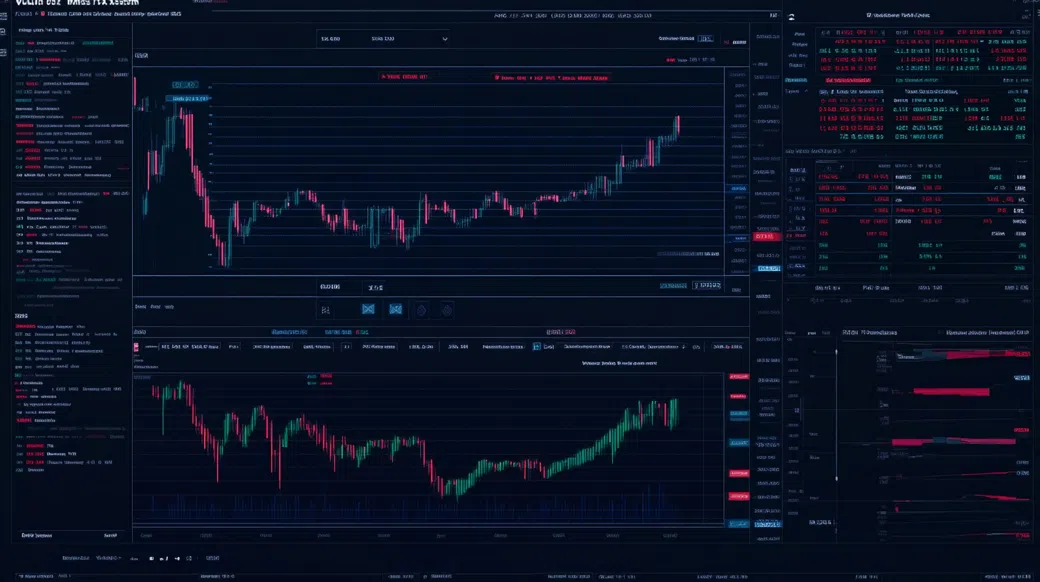
On desktop, the WebTrader felt oriented to execution rather than “social” noise: stable streaming quotes, one-click trade buttons, and a clean ticket that shows margin impact before you send. I tested a small US500 position during the New York cash open and watched fills land without obvious requotes; slippage existed around faster ticks, but it wasn’t wild. If you live inside MT4/MT5 plugins and third-party EAs, note that I didn’t see confirmed MT4/MT5 access in the client area—this stack is more self-contained.
The Noble Fundaven app mirrored the WebTrader layout closely, and the Noble Fundaven login stayed sticky across sessions with biometric unlock available on my device. From mobile I could place market and pending orders, set stop-loss/take-profit, and close positions with a single tap from the positions screen. Funding and withdrawals were reachable from the same bottom menu, and push notifications can be enabled for order status—handy, though I’d still prefer more granular alert controls for price levels.
Charting covers the basics traders actually use: multiple timeframes, common indicators (MA, RSI, MACD, Bollinger), and drawing tools for levels and trendlines. There’s an economic calendar and an integrated news feed, enough to keep you aware of CPI/FOMC risk without leaving the platform. The ceiling is real, though—power users will miss the strategy testing and ecosystem breadth you get on MT5 or cTrader.
My signup path was a two-step flow: create credentials, then complete a profile before unlocking funding. Verification required a government-issued photo ID and a recent utility bill/bank statement, and my KYC moved from “submitted” to “approved” within the same business day. That’s the right tempo for a broker that wants to stay on the right side of AML checks without punishing legitimate clients.
One practical note: account base currency choices can shape your real cost if you deposit in BRL or other non-USD currencies—conversion spreads are a silent fee. I also like that the dashboard makes documents easy to re-upload, which reduces friction if your proof of address gets flagged for being too old.
I tested support with a trader’s question, not a beginner one: “Where do I see the swap/overnight rate before holding gold through rollover?” Live chat answered in about three minutes, pointing me to the contract specs page and clarifying that financing can change with liquidity conditions. I followed up by email asking about withdrawal sequencing after KYC, and the ticket reply landed in roughly nine hours with method-by-method time windows and minimums; that matched what the portal later displayed.
Coverage is broadly what you’d expect in this segment: 24/5 live chat and email, with weekend gaps that show up most during crypto volatility. Language support feels region-dependent—English is solid, and the agent could handle basic Portuguese phrasing, but I wouldn’t assume full local-market desks. Phone support may exist by region, yet the primary workflow is chat + ticketing, which is fine if your questions are documented and specific.
If you’re considering this broker, start by verifying your country eligibility and checking live spreads during your usual trading hours. I’d also open the demo first to see how margin, stops, and financing are displayed before putting real capital at risk.
Visit Noble FundavenIt can be, but only if you treat leverage with respect and use the demo first. The interface is clean and the asset list is not overwhelming, yet beginners should understand CFD margin calls and swaps before holding positions overnight. Offshore registration also means you need to be more disciplined about risk and documentation.
Yes, crypto is available as CFDs, with BTC and ETH as the main contracts. That means you’re trading price movement with leverage rather than moving coins on-chain to a wallet. Keep an eye on weekend financing and wider spreads during high volatility.
No, it didn’t present scam-like behavior in my test: KYC was enforced, pricing streamed consistently, and withdrawals followed the stated process. The bigger question is not “scam” but “protections”—it’s offshore, so safeguards and escalation paths are lighter than Tier-1 regulated brokers. Trade only what you can afford to lose, especially with CFDs.
No, the USA is restricted. If you attempt to register from the US, eligibility checks and KYC typically prevent activation. US-based traders generally need a CFTC/NFA-compliant venue.
Most withdrawals are processed internally within 24–48 hours after KYC approval. Receipt time then depends on the rail: cards typically take 2–5 business days, bank wires around 3–7 business days, and crypto can arrive the same day (often within hours). Delays usually come from incomplete documents or intermediary bank fees.
The Noble Fundaven minimum deposit is $200. That’s enough to trade micro-sizing on FX or indices, but high leverage can still amplify losses fast. If you’re new, use smaller position sizes and test swaps first.
Yes, the Noble Fundaven app is available for iOS and Android. You can monitor charts, place orders, and manage deposits/withdrawals from the phone, with biometric login on supported devices. It’s a practical companion to WebTrader, especially for alerts and position management on the move.
Overall Score: 4.0/5
What stood out is the cost structure flexibility: Standard for low turnover, Raw/ECN-style for tighter pricing, plus a platform that stays focused on execution. The offshore setup (Seychelles FSA registration) is the line you can’t ignore—higher leverage is available, but legal protections and complaint routes are not Tier-1 grade. My deposit and subsequent cash-out worked as advertised, and KYC was taken seriously, which is a real signal. For active CFD traders who understand margin, Noble Fundaven can fit—just keep position sizing conservative because leveraged CFDs can wipe capital quickly.
Best for: active CFD traders who want WebTrader simplicity, 1:500 leverage, and a Raw/ECN-style pricing option. Avoid if: you require Tier-1 regulation, investor compensation schemes, or MT4/MT5-dependent workflows.