Piorun Kapitura Trading Platform Alternatives 2026
Compare Piorun Kapitura alternatives for 2026: regulated brokers, costs, platforms, and safety checks for US/EU-focused traders choosing a reliable option.

Compare Piorun Kapitura alternatives for 2026: regulated brokers, costs, platforms, and safety checks for US/EU-focused traders choosing a reliable option.
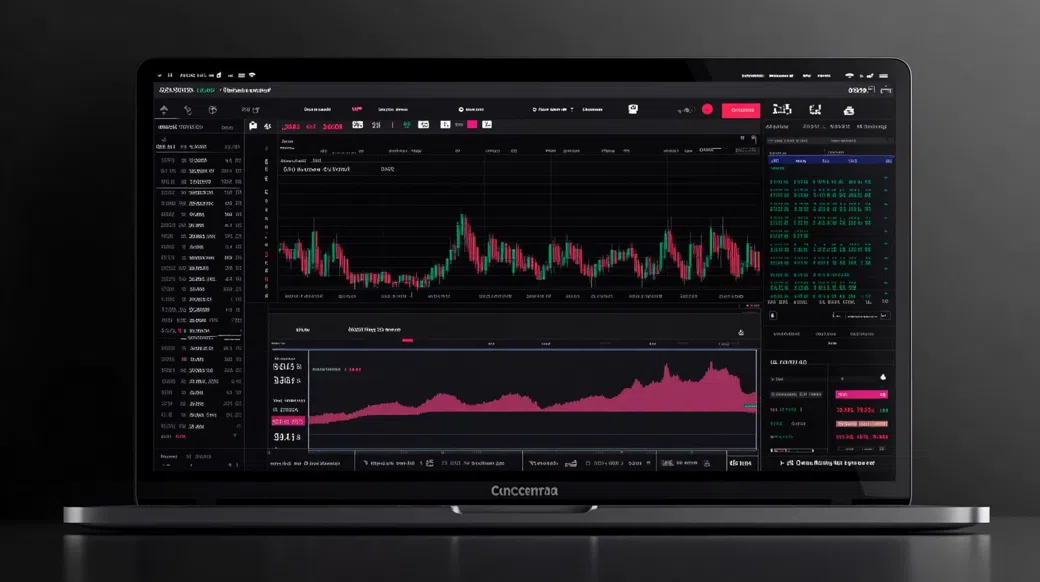
Leverage looks cheap until the bill arrives. That’s the arithmetic many retail traders learn after a few months on offshore CFD venues—wide spreads in quiet hours, surprise swap charges, and withdrawals that move slower than the market. Piorun Kapitura sits in that familiar bucket: a CFD-first broker offering forex and CFDs (often including crypto CFDs) through a proprietary WebTrader and mobile app, typically paired with high leverage. Publicly, firms in this category are commonly set up under offshore oversight such as the Seychelles FSA, which is not the same as a Tier-1 regime with robust investor-protection tools.
For a US/EU audience, the practical question is not whether the platform “works,” but what happens when something breaks: execution during volatility, negative balance protection, and whether client funds are segregated with meaningful enforcement. That’s where Piorun Kapitura alternatives get interesting. A regulated venue may cost a few tenths of a pip more on paper, yet deliver cleaner execution, clearer dispute paths, and more predictable funding/withdrawals.
Disclaimer: This article is for informational purposes only and does not constitute investment advice. CFDs and other leveraged products carry a high risk of loss and may not be suitable for all investors.
On the numbers, Piorun Kapitura resembles an offshore, retail-focused CFD broker rather than a full multi-asset brokerage. The typical product mix is forex and index/commodity CFDs, with crypto CFDs frequently on the menu; access to cash equities, listed options, or exchange-traded futures is usually absent or presented only via CFDs. Minimum deposits in this segment often cluster around $250, and leverage can run high (commonly up to 1:500), which makes position sizing more fragile when spreads widen or margin requirements change. For traders comparing brokers similar to Piorun Kapitura, the key distinction is less about “features” and more about enforceable protections: regulator quality, segregation standards, and complaint mechanisms.
The platform stack is typically a proprietary WebTrader with a companion iOS/Android app—functional enough for discretionary trading, lighter for automation. Expect standard charting with common indicators and drawing tools, plus basic order tickets for market/limit/stop orders and stop-loss/take-profit. Where this style of WebTrader often shows its limits is depth: fewer conditional order types, limited strategy testing, and a thinner audit trail for execution quality (fills, partial fills, and slippage reporting). Mobile parity is usually decent for monitoring and closing risk, but serious workflow—multi-chart layouts, hotkeys, and advanced trade management—tends to be more constrained than MT4/MT5 or cTrader ecosystems.
Cost structure on offshore CFD platforms is generally spread-led, with optional “raw” tiers that add commission. A typical reference point is EUR/USD around 2.0 pips on a standard account. If a raw/ECN-style tier is offered, the headline spread can compress toward 0.0–0.4 pips, but the trader pays a commission—often in the $5–$8 round-turn range. Add the quiet costs: swap/overnight financing on leveraged positions, possible inactivity charges, and payment-provider or withdrawal fees that vary by method. On a 100-lot/month FX rhythm, a 1.0 pip difference in spread is not “small”—it’s a material line item.
Usually it starts with a mismatch between strategy and plumbing. A trader can tolerate a simple interface—until they need predictable execution, platform tooling, and clear fund-handling rules. That’s the real driver behind most Piorun Kapitura alternatives: lowering operational risk while keeping access to FX and CFDs. Offshore leverage can look attractive, but it also magnifies every cost input: spread, swap, and slippage. If you’re scaling size or trading around news, those frictions show up in the ledger fast.
I treat broker choice like I treated coverage models on the equity desk: define the risk budget first, then pick the venue that doesn’t leak P&L through hidden frictions. For alternatives to the Piorun Kapitura trading platform, start with verifiable regulation and fund protections, then map platform/execution to your strategy. Only after that should you compare marketing features.
Tier-1 regulation changes the downside math. In the UK, FCA-regulated firms can fall under the FSCS (up to £85,000 in eligible cases); in the EU, CySEC-linked investor compensation (ICF) can reach €20,000 depending on eligibility. Look for segregated client funds and clear negative balance protection for retail clients. Regulators to prioritize for US/EU traders include FCA, ASIC, CySEC, and for US FX specifically NFA/CFTC.
Write down what you actually trade. FX-only traders can live inside a specialist CFD/FX broker; multi-asset investors need stocks, ETFs, options, and futures on listed venues. The difference between owning a share and holding a stock CFD is not semantics—no voting rights, no direct corporate actions, and financing costs can distort longer holds. Regulated options vs Piorun Kapitura become especially relevant if you hedge with listed options or need access to US/EU exchanges.
Compare “round-turn” cost, not slogans. For FX, the clean metric is: spread (in pips) plus commission (if any), translated into dollars per standard lot. Then layer on swap/overnight fees if you hold. Inactivity fees and withdrawal charges matter for smaller accounts; for active traders, execution quality can dominate headline spread. A broker quoting 0.2 pips but slipping you 0.4 pips in fast markets is not cheaper—it’s just harder to measure.
Platform choice is a strategy decision. MT4/MT5 ecosystems support EAs and a deep third-party tool chain; cTrader is popular with short-term traders who care about depth-of-market and order control. Proprietary platforms can be fine for manual trading, but verify what you can export (fills, statements) and how orders are routed. Execution model matters: market maker vs STP/ECN/DMA affects conflict management and typical slippage behavior. If you’re comparing competitors to Piorun Kapitura, insist on transparency around execution and order handling.
Support is not a “nice to have” once money is in transit. Check coverage hours, ticket turnaround, and whether phone support exists in your region/language. Education is useful, but I value operational clarity more: margin-call rules, platform status pages, and a clean deposit/withdrawal workflow. Mobile matters too—watchlists, alerts, and order management should match what you can do on web/desktop so you’re not blind when volatility hits.
FX and core CFDs are where platforms like Piorun Kapitura usually concentrate: roughly a few dozen FX pairs, a handful of commodities, and a standard set of equity indices. The trade-off is cost and execution visibility. With a typical EUR/USD spread around 2.0 pips on standard-style pricing and leverage that can reach 1:500, small inefficiencies become amplified—especially for short holding periods where swap is minimal but spread and slippage dominate. Pepperstone and IC Markets are often chosen by active FX traders because they offer MT4/MT5 and cTrader plus tighter all-in pricing on raw-style accounts (commission-based) and tooling for systematic workflows. If your edge depends on consistent fills, the broker’s execution reporting and platform logs matter as much as the quoted spread.
Here’s the biggest structural gap versus best Piorun Kapitura alternatives 2026: real market access. Offshore CFD brokers frequently provide stock exposure mainly through CFDs, which means you’re trading a derivative priced off the underlying—no exchange membership, no shareholder rights, and financing charges can erode longer-term positions. For investors who build portfolios (not just trades), Interactive Brokers and Saxo Bank are the practical upgrades: both are designed for cash equities and ETFs across major US/EU venues, with the ability to use options and futures for hedging where permitted. That’s a different value proposition than “stock CFDs” on a WebTrader. If you’re allocating capital across asset classes, it’s hard to justify staying in a CFD-only wrapper.
Crypto exposure on offshore CFD venues is typically delivered as crypto CFDs, not on-chain ownership. That matters: you don’t withdraw coins to a wallet, you don’t participate in network utilities, and overnight financing can make long holds expensive. For EU/UK traders who still want crypto price exposure inside a broker account, IG and Plus500 commonly provide crypto CFDs (region-dependent) under Tier-1 style oversight frameworks, with clearer risk disclosures and retail protections. If you need spot crypto ownership, that’s a different category (exchange/custodian) and a different risk model entirely. For regulated options vs Piorun Kapitura in crypto, the key is understanding you’re trading a leveraged derivative with gap risk—not “buying crypto.”
Regulation: SEC/FINRA (US), FCA (UK), IIROC (Canada)
Markets: Stocks, ETFs, options, futures, FX, bonds (availability varies by region/account)
Fees: FX pricing is typically tight on major pairs; commissions vary by product and venue (compare per-trade and per-share schedules)
Platform: Trader Workstation (TWS), IBKR mobile, web portal, API
Best For: Multi-asset investors needing real exchange access
Regulation: FCA (UK), ASIC (Australia), CySEC (EU), DFSA (Dubai)
Markets: FX, CFDs (indices, commodities, some shares as CFDs)
Fees: EUR/USD often ~0.0–0.3 pips on Razor/Raw-style pricing + commission; Standard-style spreads commonly ~1.0+ pip range
Platform: MT4, MT5, cTrader
Best For: Systematic FX traders using EAs and cTrader
Regulation: FCA (UK), MAS (Singapore), DFSA (Dubai)
Markets: Stocks, ETFs, options, futures, FX, bonds, CFDs (product access depends on jurisdiction)
Fees: Varies by tier and market; FX spreads are generally competitive with transparent schedules; equities carry commissions by exchange
Platform: SaxoTraderGO, SaxoTraderPRO
Best For: Portfolio builders who trade across regions and products
Regulation: FCA (UK), ASIC (Australia), MAS (Singapore)
Markets: CFDs (FX, indices, commodities, shares as CFDs), depending on region may offer additional investing products
Fees: Spreads vary by instrument; major FX pairs can be competitive; financing applies for overnight CFD holds
Platform: IG web platform, mobile app (MT4 available in supported regions)
Best For: Risk-managed CFD traders focused on major markets
Regulation: ASIC (Australia), CySEC (EU), FSA Seychelles (group-level)
Markets: FX, CFDs (indices, commodities, some crypto CFDs depending on region)
Fees: Raw spreads often ~0.0–0.3 pips on EUR/USD + commission; Standard accounts generally wider with costs built into spread
Platform: MT4, MT5, cTrader
Best For: High-frequency FX execution with raw pricing
Regulation: FCA (UK), CySEC (EU), ASIC (Australia), MAS (Singapore)
Markets: CFDs (FX, indices, commodities, shares as CFDs, crypto CFDs where permitted)
Fees: Spread-only pricing model on many products; typical costs depend on instrument and volatility; overnight financing applies
Platform: Plus500 WebTrader, mobile app
Best For: Simplicity-first traders who want a clean CFD interface
| Platform | Regulation | Main Markets | Typical Costs | Best For |
|---|---|---|---|---|
| Interactive Brokers (IBKR) | SEC/FINRA, FCA, IIROC | Stocks/ETFs, options, futures, FX, bonds | Product-based commissions; FX typically tight on majors | Multi-asset investors needing real exchange access |
| Pepperstone | FCA, ASIC, CySEC, DFSA | FX, CFDs | Raw: ~0.0–0.3 pips + commission; Standard: ~1.0+ pip range | Systematic FX traders using EAs and cTrader |
| Saxo Bank | FCA, MAS, DFSA | Stocks/ETFs, options, futures, FX, bonds, CFDs | Tiered schedules; competitive FX; commissions on cash equities | Portfolio builders who trade across regions and products |
| IG | FCA, ASIC, MAS | CFDs across FX/indices/commodities (and shares as CFDs) | Variable spreads; overnight financing on CFD holds | Risk-managed CFD traders focused on major markets |
| IC Markets | ASIC, CySEC (plus FSA Seychelles at group level) | FX, CFDs | Raw: ~0.0–0.3 pips + commission; Standard: wider spread pricing | High-frequency FX execution with raw pricing |
| Plus500 | FCA, CySEC, ASIC, MAS | CFDs (FX, indices, commodities, shares as CFDs, crypto CFDs where permitted) | Spread-only model; financing fees for overnight positions | Simplicity-first traders who want a clean CFD interface |
Switching brokers is operational work, not a click. Treat it like a risk event: you’re moving capital, changing margin rules, and learning new order routing. Before you touch size, confirm the new broker’s legal entity and protections, then migrate in a controlled sequence. One avoidable mistake is rushing a full transfer while positions are open—leverage turns small admin errors into forced liquidations.
If you’re benchmarking platforms like Piorun Kapitura, take five minutes to verify your region’s eligibility, funding methods, and the platform stack you’ll actually trade on. Compare spreads, swap rates, and execution features side-by-side before committing meaningful capital.
Visit Piorun KapituraThe best choice depends on whether you need real multi-asset access or mainly FX/CFDs. For exchange-traded stocks/ETFs, Interactive Brokers and Saxo Bank are strong benchmarks; for MT4/MT5/cTrader-focused FX trading, Pepperstone and IC Markets are common picks. If your priority is a simpler CFD interface under Tier-1 oversight, IG or Plus500 can fit better than offshore setups.
Piorun Kapitura appears consistent with an offshore/unregulated model (commonly seen under frameworks like the Seychelles FSA), which generally provides fewer enforceable protections than FCA/ASIC/CySEC/NFA regimes. That doesn’t automatically mean fraud, but it does mean higher counterparty and dispute-resolution risk versus Tier-1 regulated brokers. If safety is your main variable, prioritize segregated client funds, negative balance protection, and verifiable licensing—then compare costs and tools.
With brokers in this category, stocks and ETFs are usually offered as CFDs (if offered at all), while listed futures are typically not part of the lineup. Crypto exposure is commonly delivered as crypto CFDs rather than owning coins on-chain. For real stocks/ETFs and listed futures access, a multi-asset venue such as Interactive Brokers or Saxo Bank is usually a cleaner fit than Piorun Kapitura.
Before switching, verify the new broker’s exact legal entity on the regulator register and confirm which protections apply in your country (segregated funds, FSCS/ICF eligibility, negative balance protection). Next, model your expected trading cost using round-turn pricing (spread + commission) and review swap rates for your holding period. Finally, test execution and order types with small size before moving the full account.
About the Author: Carlos Mendes is a former equity desk analyst from São Paulo who covers emerging market brokerages and Latin American fintech. He focuses on execution quality, fee math, and regulation mechanics—because in trading, the spreadsheet usually beats the storyline.