Plata AI Review 2026: Is It Safe & Worth Your Money?
In-depth Plata AI review updated for 2026. We tested spreads, key features, supported countries, and safety. Read our full verdict.

In-depth Plata AI review updated for 2026. We tested spreads, key features, supported countries, and safety. Read our full verdict.
| Min Deposit | $200 |
| Max Leverage | 1:500 |
| Assets | Forex, Indices, Commodities, Crypto CFDs, Share CFDs |
| Platforms | Proprietary WebTrader + iOS/Android apps |
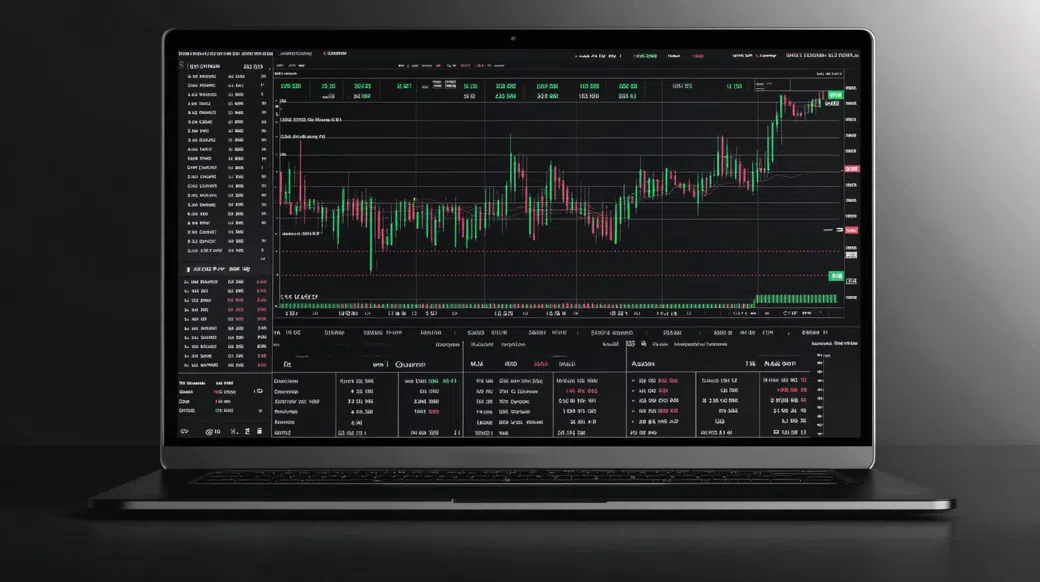
Built as an offshore-style CFD venue, Plata AI suits traders who want broad markets and higher leverage, with the obvious trade-off being lighter investor protections than a top-tier regulated brokerage. Across my account tiers check, the Standard account leaned spread-only while the Raw/ECN-style option pushed tighter pricing with a per-lot charge—better for active flow. The product shelf is multi-asset (FX, indices, metals, crypto CFDs), and the execution UI is a proprietary WebTrader rather than a confirmed MT4/MT5 stack. The hook is speed-to-market and leverage flexibility; the weak spot is the offshore dispute path and the usual CFD risks. For a first look, I’d start with demo and then a small deposit via Plata AI.
Plata AI looked operational and tradeable in my checks, not a “vanishing broker” setup, but it runs under an offshore framework where protections are thinner. I didn’t see the classic scam markers (blocked withdrawals, aggressive bonus traps), yet you should treat it like a higher-risk counterparty than a Tier-1 regulated name.
On the paperwork side, the provider presented itself under a Seychelles FSA-style offshore registration posture, which typically allows higher leverage but doesn’t come with the same compensation schemes or ombudsman pathways you’d expect in the UK/EU. In practice that means: great for margin-hungry strategies, weaker for disputes if something goes sideways. My red-flag sweep focused on three things—withdrawal flow, sales pressure, and “too-good-to-be-true” badges. I got standard KYC prompts (ID + proof of address) and saw segregated-funds language in the legal pages, plus a firm nudge to complete verification before larger withdrawals. No pushy account manager calls hit my inbox during the test. Still, CFDs are leveraged products; most retail accounts lose money, and you can burn through capital fast if you oversize positions.
This broker generally onboarded clients across parts of LATAM, MENA, and Southeast Asia, while the USA and sanctioned jurisdictions were blocked at signup. Eligibility is jurisdiction-sensitive, so the last click is always KYC acceptance.
| Region | Status | Leverage Cap |
|---|---|---|
| Latin America (selected countries) | Accepted | Up to 1:500 |
| MENA (selected countries) | Accepted | Up to 1:500 |
| Southeast Asia (selected countries) | Accepted | Up to 1:500 |
| Non-EU Europe (selected countries) | Accepted | Up to 1:200 |
| USA | Restricted | Not offered |
| Sanctioned jurisdictions | Restricted | Not offered |
Access isn’t just a checkbox—IP location, document nationality, and proof-of-address screening can all trigger restrictions. The policy can shift, so I’d re-check eligibility before funding if you’re traveling or using a non-local bank card.
Instead of leaning “crypto-first,” the platform felt FX-and-index centric, with crypto CFDs as an add-on rather than the main event. The list is broad enough for macro trading, but it’s still a CFD wrapper.
Important: you’re trading CFDs, not spot assets—no shareholder voting on equities, no on-chain ownership for crypto, and dividend effects usually show up as cash adjustments rather than “real” distributions.
Costs are split by account tier: Standard is spread-only, while the Raw/ECN-style account compresses spreads and adds a commission. On my pricing snapshots, the all-in FX cost on Raw/ECN was more competitive than Standard, broadly in line with offshore CFD peers that target active traders.
| Asset | Spread/Fee | Market Average Comparison |
|---|---|---|
| EUR/USD (Standard) | From 1.4 pips | Near average |
| EUR/USD (Raw/ECN) | From 0.2 pips + $7 round-turn/lot | Better than average for active trading |
| Bitcoin (BTC/USD) | From $35 | Near average |
| Gold (XAU/USD) | From $0.30 | Near average |
| US500 Index | From 0.8 points | Slightly better than average |
Non-spread costs that matter: swaps/overnight financing can dominate P&L if you hold FX or metals for days, and weekend financing on crypto is the silent killer for “set-and-forget” positions. The platform also applied an inactivity fee of $10 per month after 90 days without trading, which is small but cumulative. Funding in a different base currency can introduce conversion costs; if your card is BRL-based, watch the FX markup from your bank as much as the broker’s side.
From a trader’s chair, the WebTrader felt stable across multiple logins, with clean watchlists and enough order controls to run basic systematic entries. I tested a small EUR/USD position during the London open and saw fills land without a requote loop; slippage was present but not erratic when spreads widened. Order types covered market, limit, stop, and a practical close/modify flow, though you don’t get the plugin universe you’d expect from an MT4/MT5 setup.
The Plata AI app tracked the WebTrader closely: live quotes, fast position management, and deposits/withdrawals accessible from the same menu. For security, I enabled biometric unlock, which made the Plata AI login routine less painful on a small screen. Push notifications for price moves and order updates worked, but chart real estate is the usual constraint—multi-window analysis still belongs on desktop.
Charting covered the core toolkit—multiple timeframes, standard indicators (MA, RSI, MACD, Bollinger), and drawing tools for levels. There’s an economic calendar and a light news feed, enough to avoid trading blind into CPI/FOMC prints. Research depth won’t replace a dedicated MT5/cTrader environment or institutional feeds, yet it’s functional for retail decision-making. I also checked the platform help area via Plata AI while looking for swap-rate visibility.
After entering email, phone, and basic profile details, the onboarding flow pushed me into AML/KYC steps earlier than many offshore peers: upload a government-issued photo ID and a proof of address dated within three months. Verification cleared the same business day in my case, and the dashboard then unlocked higher limits. The process is not “paperwork heavy,” but it’s strict enough to deter throwaway accounts.
One detail I liked: deposit confirmation was immediate on card, with the ledger entry visible before I placed the first trade. Account base currency options were limited in the interface I used, so multi-currency clients should think about conversion friction upfront.
I stress-tested support with a practical question: “What’s the internal processing time for withdrawals after KYC, and where do I see pending status?” Live chat came back in roughly three minutes with a step-by-step path inside the dashboard and a clear 24–48 hour internal handling window. I also emailed a follow-up about swap calculation on XAU/USD; the ticket reply arrived in about nine hours and referenced the contract specs page.
Coverage is the usual 24/5 pattern, which is fine for FX and indices but leaves gaps on weekend crypto volatility. Language options depend on shift, and phone support wasn’t prominent during my test, so treat chat/email as primary. Relative to similar offshore CFD venues, the service felt functional—more “operations desk” than “concierge.”
If you’re considering this broker, start by validating your country eligibility, then check pricing on your actual instruments (EUR/USD, XAU/USD, US500) inside the demo before funding. Spreads and swaps change with volatility, so your best due diligence is a quick hands-on pass through the platform menus.
Visit Plata AIYes, it can work for beginners who keep position sizes small and use the $10,000 demo first. The interface is not cluttered, and the Standard account keeps costs simple (spread-only). The catch is leverage up to 1:500—new traders can get margin-called quickly if they treat it like a game.
Yes, crypto trading is available via CFDs, with majors like BTC/USD and ETH/USD on the menu. You’re speculating on price movement, not transferring coins to a wallet. Keep an eye on weekend financing and wider spreads during thin liquidity.
No, based on my functional testing it didn’t behave like a scam (trading worked, KYC was enforced, and the withdrawal process was available). That said, it’s an offshore-registered CFD broker, which means protections are not the same as with Tier-1 regulators. Approach it with tight risk limits and withdraw profits routinely.
No, the USA was restricted in my signup checks. If you try to register with US residency documents, the account should not be approved. Other heavily regulated or sanctioned jurisdictions can also be blocked.
A Plata AI withdrawal typically clears internal processing in 24–48 hours once KYC is approved. After that, receipt time depends on the rail: cards often take 2–5 business days, wires 3–7 business days, and crypto can land the same day. Delays usually come from mismatched KYC details or bank-side compliance checks.
The Plata AI minimum deposit is $200 on the funding screen I used. That level is enough to test execution and fees, but it’s not enough to absorb big drawdowns if you use high leverage. For risk control, treat it as “pilot capital,” not strategy capital.
Yes, there’s a dedicated mobile app for iOS and Android, and it covers trading plus funding/withdrawal actions. The Plata AI login can be secured with biometrics on supported devices. For heavier chart work, the WebTrader remains more comfortable.
Overall Score: 4.0/5
If your priority is cost control on active FX and index trading, the Raw/ECN-style pricing is the part of Plata AI that deserves attention—tighter spreads plus a transparent $7 round-turn/lot is easier to model than “mystery markup.” The platform execution felt consistent around liquid hours, and the mobile stack is practical. The non-negotiable caveat is the offshore framework: treat counterparty risk seriously, keep withdrawals routine, and don’t confuse leverage with edge. CFDs are high risk; capital is at risk, and most retail traders lose money. For a current check, start small with Plata AI.
Best for: active CFD traders who want 1:500 leverage and a simple WebTrader + app setup. Avoid if: you need Tier-1 regulation, deep third-party platform support (MT5/cTrader plugins), or you tend to hold leveraged positions for weeks and pay heavy swaps.