Prizantment Trading Platform Alternatives 2026
Prizantment Trading Platform Alternatives 2026: compare regulated brokers, markets, fees, and platforms (MT4/MT5/cTrader) with practical migration and safety checks.

Prizantment Trading Platform Alternatives 2026: compare regulated brokers, markets, fees, and platforms (MT4/MT5/cTrader) with practical migration and safety checks.
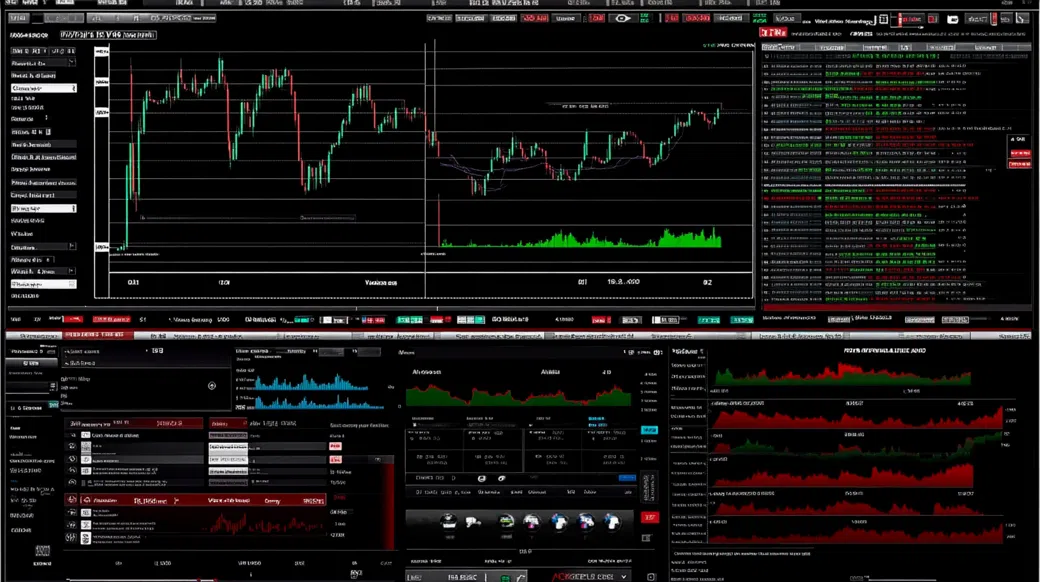
Leverage sells. Spreads and withdrawals decide the real P&L. That’s usually the moment traders start searching for Prizantment alternatives—after they’ve paid the “invisible” costs: a wider-than-expected EUR/USD spread, a few points of slippage on news, and a support loop that can’t answer a basic execution question. In this category of offshore CFD providers, what you typically see is a forex-and-CFD menu (30–50 FX pairs, a handful of indices and commodities, plus crypto CFDs), a proprietary WebTrader, and marketing that leans hard on high leverage. Prizantment fits that general profile: a CFD-first setup, offered under an offshore framework (commonly presented as Seychelles FSA in public-facing materials), with a basic-to-mid WebTrader and mobile app rather than a full professional platform stack.
For US/EU readers, the difference between “offshore access” and “regulated access” is not semantics. Regulation influences how client money is held (segregated client funds), what negative balance protection looks like, and whether any investor compensation scheme exists if the broker fails. It also determines leverage caps, product availability, and how disputes get handled. This guide keeps the focus on verifiable decision points—regulators, execution model, total trading cost (spread + commission + swap), and the ability to trade what you actually want (real stocks/ETFs versus CFDs).
Disclaimer: This article is for informational purposes only and does not constitute investment advice. CFDs and other leveraged products carry a high risk of loss and are not suitable for all investors.
Across brokers similar to Prizantment, the operating logic is straightforward: the core product is CFDs on FX, indices, commodities, and sometimes crypto, packaged for retail traders who want fast onboarding and higher leverage than they’d get in the EU/UK. Prizantment is typically positioned in that lane—offshore registration (often referenced as Seychelles FSA), CFD-first market access, and a proprietary WebTrader plus mobile app. The audience is usually short-term traders and beginners who prefer a single interface over connecting MT4/MT5 or cTrader, and who accept wider spreads in exchange for simplicity and leverage.
The WebTrader experience in platforms like Prizantment is usually “good enough” for discretionary trading: basic multi-timeframe charting, common indicators, and a ticket that supports market and pending orders (limit/stop). Where it tends to show its limits is workflow depth—fewer advanced order types, modest drawing tools versus pro chart packages, and less transparency on execution (fill speed, partial fills, and how slippage is handled). Mobile apps often mirror the web layout reasonably well, but watch for gaps: alerts, detailed history exports, and account analytics can be thinner on mobile than on desktop dashboards.
Cost is where offshore CFD offerings diverge from regulated peers. A typical Standard setup in this segment quotes EUR/USD around 2.0 pips, with the broker compensated largely through the spread. Some providers also advertise a Raw/ECN-style tier (often 0.0–0.4 pips) but add a commission in the ballpark of $6 round-turn per lot—so the true comparison is round-turn cost, not the headline spread. Expect swap/overnight financing on leveraged positions, and pay attention to non-trading fees: inactivity charges or withdrawal fees can be a bigger drag than a few tenths of a pip for low-frequency traders.
Numbers don’t negotiate: when total trading cost stays stubbornly high, people move. Most Prizantment alternatives that deserve attention have a clearer regulatory perimeter, tighter pricing on liquid pairs, and a platform stack that supports serious process (MT4/MT5, cTrader, APIs, or robust proprietary tools). Another common trigger is mismatch—trying to run an execution-sensitive strategy on a basic WebTrader, or needing real equities/ETFs when the menu is mostly CFDs. If you’re trading leveraged products, every extra pip and every delayed withdrawal is part of your risk budget, not an inconvenience.
Think of broker choice as a fit-to-strategy problem with guardrails. Start with safety (regulator, segregation, protections), then move to execution and cost (spread/commission/slippage), and only then to convenience (UI, education, local payments). That sequence keeps you from optimizing for the wrong variable—like leverage—while ignoring the plumbing that matters when markets gap.
For US/EU users, regulation is the first filter, not a nice-to-have. FCA (UK), ASIC (Australia), CySEC (EU), and NFA/CFTC (US) oversight typically implies segregated client funds, defined complaint channels, and routine reporting standards. Some regimes also add backstops: the UK’s FSCS can cover eligible clients up to £85,000, and CySEC’s ICF can cover eligible clients up to €20,000. Offshore frameworks (the lane where Prizantment is commonly placed) rarely offer comparable compensation mechanisms.
Write down what you need to trade, then choose the broker, not the other way around. If your week is FX and index CFDs, an FX/CFD specialist can be efficient. If you’re building a long-term book—stocks, ETFs, options, futures—multi-asset brokers matter because they provide real ownership and broader product architecture. Many competitors to Prizantment are still CFD-first, so this step is where the “alternative” can be meaningfully better, not just different.
Spreads are only one line in the invoice. Compare the round-turn cost (spread + commission) on your typical lot size, then layer in swap/overnight fees for holds longer than a session. For a trader doing 50 standard lots a month, a 1.0 pip difference on EUR/USD is material in dollar terms; it’s not marketing noise. Also scan for inactivity and withdrawal fees—small accounts bleed quietly through non-trading charges.
Platform is where strategy either scales or stalls. MT4/MT5 support is useful for EAs and a large indicator ecosystem; cTrader is often preferred for depth-of-market and clean execution tools; proprietary platforms can be excellent, but you need to test them under stress. Execution model matters too: market maker versus STP/ECN/DMA affects how fills behave, where slippage clusters, and how transparent the pricing stream is. Before leaving Prizantment, replicate your core workflow on a demo and track spreads and fills during active sessions.
Fast support is a risk control when deposits, withdrawals, or margin calls are on the line. Look for clear service hours aligned with your trading session, multiple channels (chat/email/phone), and documentation that answers operational questions (corporate actions on equities, rollover timing, margin methodology). Education matters less than execution for experienced traders, but beginners benefit when the broker explains swaps, margin, and negative balance protection in plain language. Mobile parity is the final check: you should be able to manage risk from a phone without losing key controls.
In FX/CFDs, the decisive variables are execution and all-in cost, not the number of pairs on a landing page. Offshore CFD venues like Prizantment typically cover the basics (roughly 30–50 FX pairs, 8–15 indices, 5–10 commodities) and advertise leverage up to about 1:500. The trade-off shows up in pricing and tools: a Standard-account EUR/USD spread around 2.0 pips is expensive if you trade frequently, and a basic WebTrader can be limiting if you rely on fast order management. By contrast, Pepperstone and IC Markets are built for this segment with regulated entities (FCA/ASIC/CySEC/DFSA depending on jurisdiction), MT4/MT5/cTrader availability, and Raw-style pricing that can push EUR/USD toward 0.0–0.3 pips plus commission. For active traders, that math compounds quickly—especially once you add the reality of slippage around data releases.
Stocks and ETFs are where “CFD broker” and “multi-asset broker” stop being cousins. With Prizantment-style offerings, equities—if present—are commonly delivered as stock CFDs, meaning no shareholder voting rights, no direct participation in corporate actions the way a cash equity account handles them, and financing costs if you hold leveraged exposure overnight. If your plan includes building a portfolio (US-listed ETFs, EU UCITS, dividend strategy, factor tilts), Interactive Brokers and Saxo Bank are the clean alternatives because they offer broad real-market access with exchange routing and a deeper product shelf (equities, options, futures, bonds depending on region). That’s a different risk profile: you’re not paying CFD financing for long holds, and your exposure is anchored to regulated custody and reporting standards rather than CFD pricing conventions.
Crypto is the area where product labeling matters most. Prizantment-category brokers usually provide crypto CFDs (10–30 coins), which is price exposure only—no on-chain withdrawals, no self-custody, and no ability to use the asset in a crypto-native way. For some traders, that’s fine: they’re trading volatility and want leverage with tight risk controls. If crypto CFDs are your target, IG and Plus500 can be more robust options in jurisdictions where they’re permitted, with stronger supervision (FCA/ASIC/CySEC depending on entity) and clearer risk disclosures. If you need spot crypto ownership, that’s typically outside traditional broker-dealer/CFD broker frameworks and becomes a different selection process entirely (exchange custody, proof-of-reserves, wallet controls). Either way, keep position sizing disciplined—crypto gaps can turn a normal stop into a worse fill than your backtest assumed.
Regulation: SEC/FINRA (US), FCA (UK), IIROC (Canada) (entity depends on residency)
Markets: Stocks, ETFs, options, futures, bonds, FX (spot), funds (availability varies by region)
Fees: FX pricing is typically tight with transparent commissions; equity commissions vary by market and plan (fixed/tiered)
Platform: Trader Workstation (TWS), IBKR Desktop/Mobile, Client Portal, APIs
Best For: Multi-asset traders who want real stocks/ETFs and pro-grade routing
Regulation: FCA, ASIC, CySEC, DFSA (entity depends on residency)
Markets: FX, indices, commodities, CFDs (product list varies by entity)
Fees: EUR/USD often ~0.0–0.3 pips on Razor/Raw-style accounts + commission; ~1.0+ pip typical on Standard
Platform: MT4, MT5, cTrader, TradingView integration (where available)
Best For: Execution-focused FX traders running automation or scalping workflows
Regulation: FCA, ASIC, MAS (entity depends on residency)
Markets: CFDs across FX, indices, commodities, shares (CFD), and more; spread betting in the UK (where eligible)
Fees: Costs vary by market; FX spreads are often competitive on major pairs, with typical pricing tighter than offshore CFD venues
Platform: IG Trading Platform (web/mobile), MT4 (where available)
Best For: Risk-aware CFD traders who value strong oversight and broad market coverage
Regulation: FCA, MAS, DFSA (entity depends on residency)
Markets: Stocks, ETFs, bonds, options, futures, FX, CFDs (availability varies by entity)
Fees: FX spreads generally competitive and tiered by client level; commissions apply on cash equities and listed products
Platform: SaxoTraderGO, SaxoTraderPRO
Best For: Portfolio builders who want research-grade tools and multi-currency investing
Regulation: CFTC/NFA (US), FCA (UK), ASIC (Australia), IIROC (Canada) (entity depends on residency)
Markets: FX (core), CFDs in some regions (availability varies by entity)
Fees: Pricing is typically spread-based with competitive majors; costs depend on region and account setup
Platform: OANDA web/mobile platforms, MT4 (where available), APIs
Best For: FX-first traders who want transparent pricing and strong compliance standards
Regulation: FCA, CySEC, ASIC, MAS (entity depends on residency)
Markets: CFDs on FX, indices, commodities, shares (CFD), ETFs (CFD), crypto CFDs (where permitted)
Fees: Spread-only model; typical costs vary by instrument and market conditions, generally clearer than offshore fee schedules
Platform: Plus500 proprietary WebTrader and mobile app
Best For: Simple CFD execution for beginners who prefer a clean, app-like interface
| Platform | Regulation | Main Markets | Typical Costs | Best For |
|---|---|---|---|---|
| Interactive Brokers (IBKR) | SEC/FINRA, FCA, IIROC | Real stocks/ETFs, options, futures, bonds, FX | FX typically tight + commission; equities commission by market/plan | Multi-asset traders who want real stocks/ETFs and pro-grade routing |
| Pepperstone | FCA, ASIC, CySEC, DFSA | FX and CFD majors (indices/commodities) | EUR/USD ~0.0–0.3 pips + commission (Raw); ~1.0+ pip (Standard) | Execution-focused FX traders running automation or scalping workflows |
| IG | FCA, ASIC, MAS | Broad CFDs across FX, indices, commodities, shares (CFD) | Competitive variable spreads on liquid markets; instrument-dependent | Risk-aware CFD traders who value strong oversight and broad market coverage |
| Saxo Bank | FCA, MAS, DFSA | Stocks/ETFs, options/futures, FX, CFDs | Tiered spreads/commissions; listed products priced via commissions | Portfolio builders who want research-grade tools and multi-currency investing |
| OANDA | CFTC/NFA, FCA, ASIC, IIROC | FX-focused; CFDs in some regions | Usually spread-based pricing on majors; varies by region/account | FX-first traders who want transparent pricing and strong compliance standards |
| Plus500 | FCA, CySEC, ASIC, MAS | CFDs across FX/indices/commodities/shares (CFD) | Spread-only pricing; costs vary by instrument/volatility | Simple CFD execution for beginners who prefer a clean, app-like interface |
Switching brokers is less “account transfer” and more controlled de-risking. Treat it like a small operational project: verify the new venue, secure access, then unwind exposure methodically so a margin event doesn’t force decisions. The goal is continuity—your capital, your records, and your strategy parameters should survive the move without surprises. If you’re exiting Prizantment, assume positions cannot be ported; plan to close and re-establish risk on the new platform.
If you’re still evaluating platforms like Prizantment, review the current onboarding terms, funding methods, and regional eligibility directly on the broker site. Then compare that checklist—regulation, total cost, and platform tooling—against the regulated options above before you commit meaningful capital.
Visit PrizantmentThe best alternative depends on whether you need real multi-asset investing or primarily FX/CFDs. For real stocks/ETFs and a broad global product set, Interactive Brokers (IBKR) is the cleanest step up; for execution-centric FX/CFDs with MT4/MT5/cTrader, Pepperstone is often a better fit than offshore CFD venues. If you want a regulated proprietary CFD app experience, Plus500 can be closer in feel while offering stronger oversight.
Prizantment is typically presented under an offshore regulatory framework (commonly Seychelles FSA), which generally offers fewer investor protections than FCA/ASIC/CySEC/NFA-regulated brokers. That doesn’t automatically mean wrongdoing, but it changes the risk profile around dispute resolution, compensation schemes, and oversight. If safety is your priority, regulated substitutes for Prizantment with segregated client funds and clearer protections are the more conservative choice.
Prizantment is generally positioned as a forex-and-CFD venue, where stocks/ETFs—if offered—are more likely delivered as CFDs rather than real shares, and futures access is usually limited compared with multi-asset brokers. Crypto exposure is commonly via crypto CFDs (price exposure, not on-chain ownership). For real stocks/ETFs or listed futures, brokers like IBKR or Saxo are built for that product set, while IG/Plus500 can cover crypto CFDs where permitted.
Before switching, verify the broker’s exact legal entity on the regulator register (FCA, ASIC, CySEC, or NFA) and confirm the client-money setup (segregated funds, negative balance protection where applicable). Next, compare round-turn trading cost (spread + commission) and review swaps/overnight fees if you hold positions. Finally, test the platform stack (MT4/MT5/cTrader or proprietary) with small size to observe slippage and order handling during active market hours.
About the Author: Carlos Mendes is a former equity desk analyst from São Paulo who covers emerging-market brokerages and Latin American fintech with a trader’s bias for measurable edge. He focuses on execution quality, fee math, and regulatory plumbing—because those are the variables that show up in account statements.