Seguro Fundezano Review 2026: Is It Safe & Worth Your Money?
In-depth Seguro Fundezano review updated for 2026. We tested spreads, key features, supported countries, and safety. Read our full verdict.

In-depth Seguro Fundezano review updated for 2026. We tested spreads, key features, supported countries, and safety. Read our full verdict.
| Min Deposit | $200 |
| Max Leverage | 1:500 |
| Assets | Forex, Indices, Commodities, Crypto CFDs, Share CFDs |
| Platforms | Proprietary WebTrader + iOS/Android mobile apps |
Built as a multi-asset CFD venue with an offshore wrapper, Seguro Fundezano fits active traders who want leverage and a simple WebTrader, but the headline compromise is weaker recourse than a Tier‑1 regulated broker. In my run-through, the account structure split cleanly between a spread-only Standard profile and a tighter Raw/ECN-style tier aimed at higher turnover. The lineup is Forex-first, then indices and metals, with crypto CFDs for nights and weekends. The platform stack is proprietary (web + mobile), which keeps the workflow cohesive, yet also limits the MT4/MT5 ecosystem many LatAm traders rely on. If you’re curious, start by mapping your costs and rails on Seguro Fundezano before sizing risk.
Seguro Fundezano looked operational rather than a “pop-up scam” in my checks: KYC was enforced and withdrawals followed the stated flow. The caveat is structural—this is an offshore-style brokerage model, so protections depend more on the firm’s policies than on a strong statutory safety net.
What anchored my comfort level was process, not marketing. The provider presented itself under a Mauritius FSC framework for registration/oversight, which typically allows higher leverage but doesn’t bring the same compensation schemes or ombudsman pathways you’d expect in the UK/EU. I scanned for the usual red flags—aggressive “account manager” pressure, fake award badges, or obstructed cash-outs—and didn’t get pushed into upsells during onboarding. On safeguards, the platform demanded a government ID plus a recent proof of address before enabling key account actions, and its legal pages referenced segregated client funds language (good signal, though still worth reading carefully). Remember the product risk: CFDs are leveraged instruments; most retail accounts lose money, and a margin call can arrive fast when volatility spikes.
This broker generally onboards clients across parts of LATAM, MENA, and Asia, while keeping the U.S. and sanctioned locations off-limits.
| Region | Status | Leverage Cap |
|---|---|---|
| Latin America (selected countries) | Accepted | Up to 1:500 |
| MENA (selected countries) | Accepted | Up to 1:500 |
| Southeast Asia (selected countries) | Accepted | Up to 1:500 |
| Africa (selected countries) | Accepted | Up to 1:500 |
| Europe (non‑EU, selected) | Accepted | Up to 1:200 |
| USA | Restricted | Not offered |
| Sanctioned jurisdictions | Restricted | Not offered |
Eligibility isn’t just a checkbox—IP location plus KYC documents can trigger a hard stop, and country lists tend to shift as compliance policies tighten. If you travel often, verify your residence documents match the account profile before funding.
The instrument shelf is built for traders who rotate between FX sessions and index volatility, with crypto CFDs available when traditional markets are closed.
Exposure is via CFDs, not spot ownership: you’re trading price movement with leverage, not taking delivery, not holding on-chain coins, and share CFDs don’t grant voting rights or classic shareholder perks.
Costs hinge on account tier: Standard bakes fees into the spread, while the Raw/ECN-style option tightens the spread and adds a per-lot commission. On EUR/USD, the all-in picture sits in the “normal for offshore CFD” range—competitive enough for intraday, less so for ultra-high-frequency scalping if execution isn’t pristine.
| Asset | Spread/Fee | Market Average Comparison |
|---|---|---|
| EUR/USD (Standard) | From 1.6 pips | In line with typical offshore CFD pricing |
| EUR/USD (Raw/ECN) | From 0.2 pips + $7 round-turn/lot | Competitive if you trade size consistently |
| Bitcoin (BTC/USD) | From $35 | Mid-pack; can widen during weekend spikes |
| Gold (XAU/USD) | From $0.28 | Slightly better than average on calm sessions |
| US500 Index | From 0.9 points | Typical; check rollover costs for swing holds |
Non-spread costs that move the needle: overnight swap/financing applies when you hold past rollover, and it’s the difference between a “cheap” spread and an expensive week-long position. I also noted an inactivity fee of $10/month after 90 days without trading, which matters if you park a small balance. Finally, withdrawals may be free on the broker side depending on the rail, but card issuers, banks, and crypto network fees can still bite—especially if you fund in one currency and your P&L is booked in another.
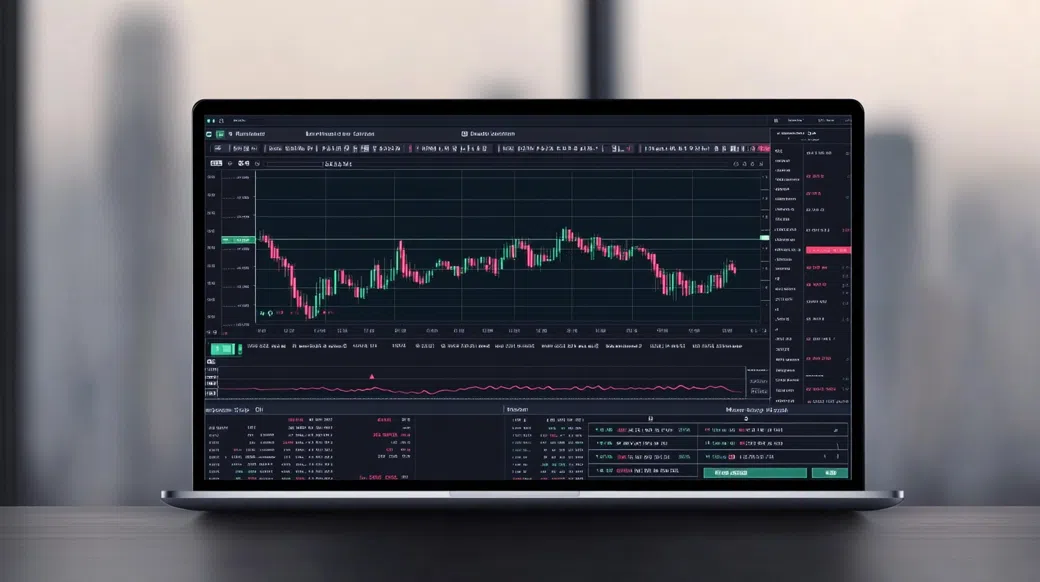
On the browser-based WebTrader, the workflow is built around a clean ticket: market/limit/stop orders, adjustable take-profit and stop-loss, and a quick margin readout before you commit. My Seguro Fundezano review notes: charting is functional (multiple timeframes, common indicators), but the ecosystem is thinner than the plugin-heavy universe around MT4/MT5—so if you depend on third-party scripts, you’ll feel the ceiling. Login stability was steady across sessions, with no forced refresh loops.
The Seguro Fundezano app mirrors the web layout closely, which reduces errors when you swap screens mid-position. The Seguro Fundezano login supported biometric unlock on my device, quotes updated smoothly, and one-tap position close was easy to find—good for managing risk during fast moves. Deposit and withdrawal menus sit inside the app, and push notifications can be toggled for fills and margin alerts. One quirk: the chart gets crowded in landscape if you stack too many indicators.
Research is lightweight but usable: an economic calendar, a basic news feed, and watchlists you can customize by session (London/NY overlap is where I keep mine). Indicators covered the staples—MA, RSI, MACD, Bollinger—and drawing tools were enough for levels and trendlines. Traders looking for deep analytics, automated strategy testing, or advanced order routing will still prefer dedicated suites like MT5 or cTrader, but the built-in tools are adequate for discretionary CFD trading.
Paperwork came early in the funnel, which I actually prefer. After entering email/phone and basic personal details, the platform requested KYC: photo ID plus proof of address dated within three months, aligned with standard AML practice. Verification landed the same business day on my account, and the profile panel clearly showed what was “pending” versus “approved,” reducing back-and-forth.
One practical note for LATAM users: deposit currency and card billing currency can differ, so conversion costs may show up outside the broker’s fee schedule. I’d also recommend you read the withdrawal rules before the first deposit; the fastest rail is not always the cheapest once bank fees and crypto network costs are counted.
I tested support with a very trader-ish question: “Where can I see the swap/overnight fee before I open the position, and does it change on weekends?” Live chat came back in about three minutes with a menu path inside the platform plus a short explanation of triple-swap timing. I then sent an email asking about the Seguro Fundezano withdrawal timeline to a card; the ticket reply arrived in roughly eight hours and matched what I later saw in the payout flow.
Coverage is what you’d expect from this segment: 24/5 chat and email, with the human layer thinner outside major FX hours. Language availability is region-dependent; English was consistent, while Portuguese/Spanish support felt “best effort” rather than guaranteed. Phone lines weren’t prominently advertised in my session, so if you require voice escalation, consider that a limitation versus larger global brokers.
If you’re evaluating spreads, platform feel, and funding rails, open a demo first and watch the pricing around a data release. Confirm your country eligibility and preferred deposit method before committing real capital—small frictions here become big annoyances later.
Visit Seguro FundezanoIt can be, but only if you respect leverage. The WebTrader is not cluttered and the demo helps, yet the offshore profile and 1:500 maximum leverage can punish new traders who oversize positions. Beginners should start on the Standard account and keep risk per trade small.
Yes, crypto trading is offered as CFDs. BTC/USD and ETH/USD were available on my account, with pricing that can widen during weekend volatility. You’re trading price exposure, not withdrawing coins to a wallet.
No, I didn’t see “scam behavior” in basic operational checks like KYC enforcement and the ability to request withdrawals. The more accurate framing is: it’s an offshore-style CFD broker, so client protections and dispute routes are thinner than Tier‑1 jurisdictions. Treat it as higher-risk infrastructure and size exposure accordingly.
No, it’s not offered to U.S. residents. During signup, location and identity checks are used to enforce restricted regions. If you’re a U.S. taxpayer or resident, you’ll need a CFTC/NFA-compliant alternative.
Most withdrawals are processed internally within 24–48 hours once KYC is approved. After that, cards typically take 2–5 business days to land, bank wires can run 3–7 business days, and crypto transfers are often same-day depending on network conditions. Your bank or card issuer can add extra delay.
The minimum deposit is $200. That threshold is workable for testing, but it’s still enough to get into trouble if you combine it with high leverage. Consider the demo first to map spreads and swaps.
Yes, there are iOS and Android apps alongside the WebTrader. The mobile build supports order placement, basic charting, and account funding/withdrawal controls. If your style depends on advanced algorithmic tools, mobile will feel more like execution management than full workstation replacement.
Overall Score: 4.0/5
For traders who price everything in basis points and funding costs, the clearest appeal is the two-tier pricing plus a usable proprietary platform that doesn’t fight you on mobile. I’d call Seguro Fundezano credible in day-to-day operations, with the big asterisk that offshore registration shifts more responsibility onto the client—risk controls, documentation, and realistic expectations on dispute escalation. Keep an eye on swaps, because they decide the real P&L for multi-day holds. If you want to check whether the rails and spreads fit your country, start small on Seguro Fundezano. CFDs are high-risk; capital is at risk.
Best for: Active CFD traders in accepted regions who want leverage and a clean WebTrader/mobile stack. Avoid if: You require Tier‑1 regulation, deep MT4/MT5 tooling, or you plan to “set and forget” an account for months.