Stake Lispro 300 Trading Platform Alternatives 2026
Compare Stake Lispro 300 alternatives for 2026: regulated brokers, trading costs, platforms, and safety checks for US/EU-focused traders.

Compare Stake Lispro 300 alternatives for 2026: regulated brokers, trading costs, platforms, and safety checks for US/EU-focused traders.
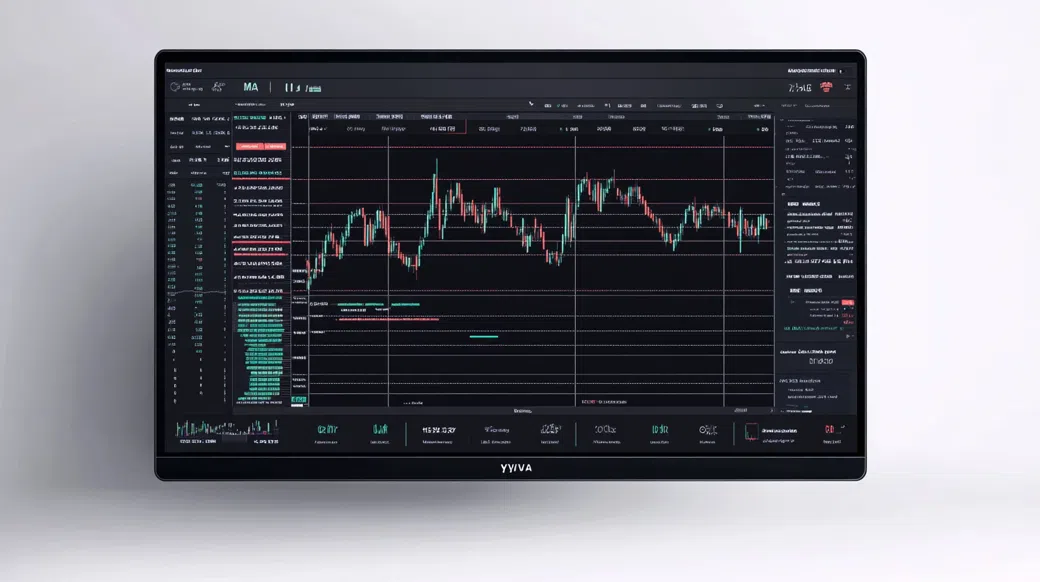
Leverage is a loud marketing number, but your P&L hears spreads, execution, and withdrawals. That’s the practical lens I use when readers ask about Stake Lispro 300 and where to go next. Based on what’s typical for offshore CFD-first platforms in this category, Stake Lispro 300 looks built around a proprietary WebTrader plus mobile apps, with a menu centered on FX and CFDs (often including crypto CFDs). The trade-off is familiar: higher headline leverage (commonly around 1:500), a mid-range EUR/USD spread (often around 2.0 pips on a standard-style account), and a narrower product set than what US/EU regulated firms tend to provide.
For many traders, the “alternatives” question isn’t about chasing a new interface—it’s about reducing operational risk. Regulated brokers usually bring clearer rules on segregated client funds, stronger dispute channels, and more predictable KYC/AML flows. Costs also behave differently: a raw-spread account with commission can be cheaper for active traders than a wider all-in spread. This guide to Stake Lispro 300 alternatives is written for a global audience with a US/EU focus, and it prioritizes what you can verify: regulator registers, execution model, instrument access (real stocks vs stock CFDs), and the total cost per round-turn trade.
Disclaimer: This article is for informational purposes only and does not constitute investment advice. CFDs and other leveraged products carry a high risk of loss and may not be suitable for all investors.
From the outside, Stake Lispro 300 fits the offshore CFD brokerage mold: a trading brand offering leveraged access to forex and CFDs, typically run under an offshore framework such as the Seychelles FSA rather than a top-tier EU/UK/US regulator. That matters because the client-protection “plumbing” can differ—segregated funds policies, complaint escalation, and enforcement intensity. The product is usually aimed at short-term traders who want a simple WebTrader, quick onboarding, and high leverage on major FX pairs, indices, and commodities. For readers comparing brokers similar to Stake Lispro 300, the key question isn’t whether you can place a trade—it’s what happens when execution, financing costs, or withdrawals become the main storyline.
Expect a proprietary WebTrader designed for basic-to-mid level functionality: straightforward watchlists, one-click trading, and charting that’s “good enough” for discretionary setups. Chart layouts are typically flexible but not institutional-grade—think common indicators, drawing tools, and timeframes, with fewer advanced features like custom scripting or deep order book data. Order types usually cover market, limit, stop, and stop-loss/take-profit, while more specialized conditional orders are less common. Mobile apps on iOS/Android tend to mirror core functions (position management, deposits/withdrawals, alerts), though advanced analytics often feel lighter on the phone. If you require MT4/MT5 or cTrader workflows for EAs, backtests, or a familiar UI, platforms like Stake Lispro 300 can be a constraint rather than a convenience.
Cost structure is typically spread-led on standard-style accounts, with EUR/USD often around 2.0 pips in normal conditions. Some offshore brokers advertise “raw” pricing tiers where spreads can tighten (sometimes near 0.0–0.4 pips) but add a commission in the neighborhood of $6 per round-turn; the economics depend on your trade frequency. Overnight financing (swap) is a real line item for CFD positions held beyond a session, and it can dominate the cost for longer holds—especially on indices and crypto CFDs. Minimum deposits in this segment are commonly around $250, and the headline max leverage can reach 1:500, which amplifies both wins and losses. Withdrawal and inactivity fees vary by provider and funding method, so treat the fee schedule as required reading, not fine print.
Sometimes the trigger is blunt: a withdrawal delay, a forced liquidation during a volatility spike, or slippage that doesn’t match what you see on other feeds. Other times it’s quieter—your strategy matures, your average position size grows, and the risk of using an offshore venue starts to feel like an avoidable variable. That’s where Stake Lispro 300 alternatives enter the conversation: traders want a platform stack that fits their method and a regulatory framework they can verify on a public register. High leverage can look attractive, but it also compresses your margin-for-error and accelerates margin calls when the market gaps.
I treat broker selection as “fit to strategy + verifiable protections.” Start with what you can check (regulator status, compensation scheme, segregated funds language), then map it to your instrument needs and trading frequency. Competitors to Stake Lispro 300 range from FX-only specialists to global multi-asset firms; the right pick depends on whether you’re paying the spread 20 times a day or holding diversified positions for months.
In the UK/EU, the shorthand is FCA or CySEC; in Australia, ASIC; in the US, NFA/CFTC for retail FX. Regulation isn’t a magic shield, but it sets minimum standards and gives you a public trail to follow. UK clients may have FSCS coverage up to £85,000 for eligible firms; Cyprus firms can fall under the ICF up to €20,000. Look for clear statements on segregated client funds, negative balance protection (common in the UK/EU), and whether the broker publishes execution quality disclosures.
Write down what you actually trade: FX majors, gold, US indices, single-name stocks, ETFs, options, futures, or crypto exposure. Offshore CFD venues often concentrate on FX/indices/commodities and offer “stocks” as CFDs. If your goal is to own SPY or a basket of EU ETFs, a multi-asset broker with custody and broad market access is the cleaner tool. If you’re purely FX, a specialist with deep liquidity and robust order handling can matter more than the number of listed instruments.
Here’s the math I trust: round-turn cost. A 2.0 pip EUR/USD spread is roughly $20 per standard lot per round trip before slippage; do that 100 times a month and you feel it. Raw accounts can shift cost from spread to commission, which often benefits frequent traders. Don’t ignore swap/overnight fees (they can dwarf spreads on holds), and scan for inactivity and withdrawal charges. Top substitutes for Stake Lispro 300 should make these numbers easy to locate and consistent across documents.
Platform choice is workflow, not fashion: MT4/MT5 ecosystems support EAs and a huge tooling library; cTrader is popular with execution-focused traders; proprietary terminals vary widely. Execution model matters too. Market maker setups can be fine for many retail users, but STP/ECN/DMA routing and transparent pricing can reduce conflicts and improve fill quality in fast markets. Test for slippage and latency with small size before committing meaningful capital—especially if you trade high-impact data releases.
When something breaks, “nice UI” won’t help. Check support hours in your time zone, language coverage, and how the broker handles ticket escalation. Education is useful if it’s specific (margin policy, order types, risk controls), not motivational content. Also verify mobile parity: if you manage risk from a phone, you need reliable push notifications, margin alerts, and simple position controls. For regulated options vs Stake Lispro 300, service quality often shows up in the boring moments—statements, confirmations, and clear funding rules.
On paper, the appeal is straightforward: high leverage (often near 1:500) and a compact list of major/minor FX pairs—typically 30–50—plus indices and commodities via CFDs. The friction shows up in costs and execution detail. A typical EUR/USD spread around 2.0 pips can be a heavy drag for active traders, and offshore venues may provide less granular disclosure about how orders are filled in volatile conditions. If FX/CFDs are your core, brokers like Pepperstone and IC Markets tend to offer tighter raw pricing options (spread + commission) and well-known platforms (MT4/MT5/cTrader) that support automation and detailed reporting. That’s why many people researching Stake Lispro 300 alternatives start here: tighter all-in trading costs and a more transparent execution toolkit can matter more than an extra turn of leverage.
This is where the product definition matters. Offshore CFD platforms may list “stocks” but frequently do it as stock CFDs—no shareholder rights, no voting, and financing costs if you hold leveraged positions overnight. If your objective is long-only investing in US/EU equities or ETFs, look at firms built for custody and broad market access. Interactive Brokers (IBKR) is the workhorse for global equities, options, and futures, with direct market access style routing in many venues and institutional-grade reporting. Saxo Bank is another multi-asset option with a strong platform stack and deep market breadth. For readers asking for “platforms like Stake Lispro 300” but with real stock/ETF access, these are different animals: you’re moving from short-term leveraged exposure to ownership infrastructure.
Crypto on CFD-first brokers is usually exposure, not ownership. A “BTC trade” is typically a crypto CFD: you’re speculating on price movement with leverage, paying spreads and potentially overnight financing, and you cannot withdraw coins on-chain to a wallet. That can be fine if your objective is short-term hedging or tactical trading, but it’s not a custody solution. If you want regulated avenues for crypto price exposure within a CFD framework (availability depends on jurisdiction), firms like IG and Plus500 commonly offer crypto CFDs in regions where permitted, alongside indices and FX. In the US, crypto and leveraged derivatives face tighter rules; many traders there will need different, compliant venues. As you compare Stake Lispro 300 trading platform alternatives 2026, separate “trade the chart” from “own the asset”—the risk, fees, and legal protections are not the same.
Regulation: SEC/FINRA (US), FCA (UK), IIROC (Canada)
Markets: Stocks, ETFs, options, futures, bonds, FX (spot)
Fees: FX pricing varies by plan and volume; equities typically use commission schedules; focus is on transparent execution rather than spread-only pricing
Platform: Trader Workstation (TWS), IBKR mobile, Client Portal APIs
Best For: Global multi-asset traders needing real market access
Regulation: FCA (UK), ASIC (Australia), CySEC (Cyprus), DFSA (Dubai)
Markets: FX and CFDs (indices, commodities; crypto CFDs where permitted)
Fees: EUR/USD from ~1.0–1.3 pips on Standard; on Razor/Raw-style accounts, spreads can be lower with a commission per round-turn (varies by entity)
Platform: MT4, MT5, cTrader, TradingView integration (region-dependent)
Best For: Automation-focused FX traders (EAs + cTrader workflows)
Regulation: FCA (UK), ASIC (Australia), MAS (Singapore)
Markets: CFDs (FX, indices, commodities, shares), spread betting (UK/IE), crypto CFDs where permitted
Fees: Spread-led CFD pricing; majors often tighter than offshore peers in normal markets; financing applies on leveraged holds
Platform: IG web platform, mobile apps; MT4 available in certain regions
Best For: News-driven CFD traders who value broad coverage
Regulation: FCA (UK), MAS (Singapore), DFSA (Dubai)
Markets: Stocks, ETFs, bonds, options, futures, FX, CFDs
Fees: Pricing depends on account tier and venue; typically tighter for active clients; commissions apply for exchange-traded instruments
Platform: SaxoTraderGO, SaxoTraderPRO
Best For: Portfolio builders mixing investing and tactical trading
Regulation: ASIC (Australia), CySEC (Cyprus), FSA Seychelles (group-level)
Markets: FX and CFDs (indices, commodities; crypto CFDs where permitted)
Fees: Raw accounts typically combine very low spreads (often near 0.0–0.3 pips on EUR/USD in liquid hours) plus a commission per round-turn; Standard accounts are spread-only and wider
Platform: MT4, MT5, cTrader
Best For: High-frequency scalpers optimizing spread plus commission
Regulation: FCA (UK), CySEC (Cyprus), ASIC (Australia), MAS (Singapore)
Markets: CFDs (FX, indices, commodities, shares; crypto CFDs where permitted)
Fees: Spread-led CFD pricing; costs vary by instrument and volatility; overnight fees apply on leveraged positions
Platform: Plus500 proprietary WebTrader and mobile app
Best For: Simple CFD execution without third-party platforms
| Platform | Regulation | Main Markets | Typical Costs | Best For |
|---|---|---|---|---|
| Interactive Brokers (IBKR) | SEC/FINRA, FCA, IIROC | Stocks/ETFs/options/futures/bonds + FX | Commission schedules; FX pricing varies by plan/volume | Global multi-asset traders needing real market access |
| Pepperstone | FCA, ASIC, CySEC, DFSA | FX + CFDs (indices/commodities; crypto CFDs where allowed) | Standard ~1.0–1.3 pips; Raw-style = tighter spread + commission | Automation-focused FX traders (EAs + cTrader workflows) |
| IG | FCA, ASIC, MAS | CFDs across FX/indices/commodities/shares; spread betting (UK/IE) | Spread-led; financing on leveraged holds; varies by market | News-driven CFD traders who value broad coverage |
| Saxo Bank | FCA, MAS, DFSA | Stocks/ETFs/options/futures + FX/CFDs | Tiered pricing; commissions on exchange-traded instruments | Portfolio builders mixing investing and tactical trading |
| IC Markets | ASIC, CySEC (plus FSA Seychelles at group level) | FX + CFDs (indices/commodities; crypto CFDs where allowed) | Raw = ~0.0–0.3 pip moments + commission; Standard = wider spread-only | High-frequency scalpers optimizing spread plus commission |
| Plus500 | FCA, CySEC, ASIC, MAS | CFDs (FX/indices/commodities/shares; crypto CFDs where allowed) | Spread-only CFDs; overnight fees; instrument-dependent | Simple CFD execution without third-party platforms |
Switching brokers is less about “sign up here” and more about sequencing. You want continuity of access, clean records, and minimal exposure to funding friction. If you’re moving away from Stake Lispro 300 after trading leveraged CFDs, treat the process like you would a portfolio rebalance: reduce open risk first, verify the new venue second, then transfer capital. A rushed migration can create unnecessary losses via gaps, margin calls, or mismatched order settings.
If you’re still evaluating the current setup, review onboarding, fees, and regional restrictions directly on the provider’s site—then compare those inputs against the regulated brokers above using the same trade size and holding period. That side-by-side math is how you separate marketing from execution reality.
Visit Stake Lispro 300The best choice depends on whether you need real multi-asset access or just lower-cost FX/CFDs. For global stocks/ETFs plus derivatives, Interactive Brokers and Saxo Bank are strong candidates; for FX execution and platform flexibility, Pepperstone and IC Markets are closer matches to the CFD workflow. If your priority is a simple proprietary interface, Plus500 keeps the experience streamlined while staying within top-tier regulatory umbrellas in multiple regions.
Stake Lispro 300 appears to operate under an offshore framework (commonly seen with Seychelles FSA-type setups) rather than FCA/NFA-style oversight, which typically means fewer formal investor-protection mechanisms. That doesn’t automatically imply malpractice, but it does raise the bar for your own verification: fund segregation policies, withdrawal track record, and clear legal entity disclosures. For many US/EU traders, “safe” starts with a license you can confirm on a public regulator register.
Most platforms in this offshore CFD segment focus on FX and CFDs, with “stocks” often offered as CFDs rather than real shares and futures access typically limited or routed as CFD equivalents. Crypto exposure, when available, is usually via crypto CFDs—price speculation without on-chain ownership. If you want real stocks/ETFs or exchange-traded futures, Stake Lispro 300 alternatives like IBKR or Saxo are better aligned with that requirement.
Before moving, verify the new broker’s regulator and exact legal entity, then map your strategy to the fee model (spread-only vs raw+commission, plus swap/overnight). Confirm platform compatibility (MT4/MT5/cTrader vs proprietary), margin rules, and whether negative balance protection applies in your jurisdiction. Also document your full history on Stake Lispro 300 and plan withdrawals through the same funding rails to avoid AML-related delays.
About the Author: Carlos Mendes is a former equity desk analyst from São Paulo who covers emerging market brokerages and Latin American fintech from a trader’s perspective. He focuses on measurable variables—cost of trade, execution, and regulatory structure—because those are the inputs that tend to decide outcomes.