Trade Sired Review 2026: Is It Safe & Worth Your Money?
In-depth Trade Sired review updated for 2026. We tested spreads, key features, supported countries, and safety. Read our full verdict.

In-depth Trade Sired review updated for 2026. We tested spreads, key features, supported countries, and safety. Read our full verdict.
| Min Deposit | $200 |
| Max Leverage | 1:500 |
| Assets | Forex, Indices, Commodities, Crypto CFDs, Share CFDs |
| Platforms | WebTrader + iOS/Android app |
Built as a multi-asset CFD venue, Trade Sired fits active traders who want higher leverage and a simple platform stack, with the headline compromise being an offshore framework rather than top-tier supervision. In my test, the account menu clearly separates a spread-only Standard tier from a tighter-spread Raw-style option aimed at higher turnover. The product list leans FX and index CFDs, with crypto also present for tactical positioning. Execution and risk controls felt consistent with what you see in this segment, while education depth remains modest. For the actual interface and pricing screens I used, I went through Trade Sired directly.
Trade Sired operated normally in my hands-on checks and didn’t present the usual “disappearing withdrawal” pattern associated with outright scams. That said, it runs under an offshore registration model, which changes the safety calculus versus a Tier-1 regulated broker.
From the legal footer and account documents shown during onboarding, the provider presents itself under Mauritius FSC-style oversight, a structure that commonly allows higher leverage but offers slimmer investor-compensation backstops than the FCA/ASIC universe. Practically, that means fewer formal levers if a dispute escalates beyond support, and you should treat “segregated client funds” statements as policy language rather than a guarantee with the same enforcement intensity you’d expect in London or Sydney. On the red-flag checklist, I looked for aggressive sales calls, flashy “award” widgets, and withdrawal friction; I didn’t get pushed into a larger deposit, and the cash-out request I filed was processed on schedule after KYC. Identity verification was enforced (ID + proof of address), which is a positive AML signal. Keep the bigger picture in mind: CFDs are leveraged products; margin calls happen fast, and most retail accounts lose money.
This broker is generally open to traders across parts of Latin America, MENA, and segments of Asia, while the USA and sanctioned jurisdictions are blocked.
| Region | Status | Leverage Cap |
|---|---|---|
| Latin America (selected countries) | Accepted | Up to 1:500 |
| MENA (selected countries) | Accepted | Up to 1:500 |
| Southeast Asia (selected countries) | Accepted | Up to 1:500 |
| Non-EU Europe (selected countries) | Accepted | Up to 1:200 |
| USA | Restricted | Not offered |
| Sanctioned jurisdictions | Restricted | Not offered |
Eligibility isn’t just a dropdown choice: IP checks and KYC details can trigger extra review, and the acceptance list can shift with compliance policy. If your residency or funding source is borderline, confirm access before moving size.
The lineup is FX-and-index centric, designed for traders who measure cost in pips and execution speed rather than long-term ownership perks. Crypto and shares are there, but the platform’s “default heartbeat” is still majors, metals, and the big equity benchmarks.
Everything here is CFD exposure: you’re trading price movement with leverage, not buying the underlying asset. That means no shareholder voting rights, no on-chain withdrawals for crypto, and “dividends” are typically handled as cash adjustments rather than ownership income.
Costs depend on account tier: the Standard account is spread-only, while the Raw/ECN-style option compresses spreads and adds a per-lot commission. On EUR/USD, my quotes aligned with an offshore CFD profile—competitive enough for active trading, not the absolute floor you’ll see at top-tier ECN venues.
| Asset | Spread/Fee | Market Average Comparison |
|---|---|---|
| EUR/USD (Standard) | From 1.6 pips | In line with offshore CFD averages |
| EUR/USD (Raw/ECN) | From 0.2 pips + $7 round-turn/lot | Competitive for commission-based pricing |
| Bitcoin (BTC/USD) | From $30 spread | Typical for retail crypto CFDs |
| Gold (XAU/USD) | From $0.35 | Slightly better than average at liquid hours |
| US500 Index | From 0.8 points | Within the common range |
Non-spread costs that move the needle: swaps/overnight financing showed up clearly on my open positions and can dominate P&L if you hold for days, especially on indices and energy. Dormant accounts were flagged with a $10 monthly inactivity fee after 90 days without trading activity. Withdrawals may carry third-party rail charges (bank/intermediary fees), and if you fund in one currency and trade in another, conversion adds a quiet drag. For the current pricing display and account-tier breakdown I referenced, I checked it inside Trade Sired.
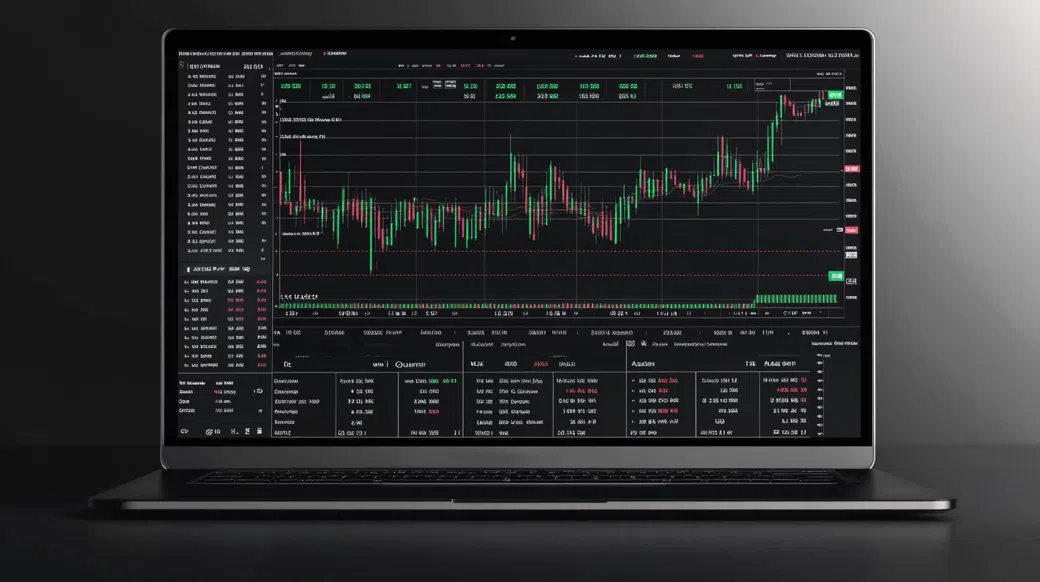
On desktop, the WebTrader stayed stable through repeated sessions, and the layout prioritizes speed: watchlist left, chart center, ticket on the side. Market/limit/stop orders were available, plus position-level stop-loss and take-profit edits without hunting through menus. If you’re coming from MT4/MT5, you’ll miss the deep plugin ecosystem and copy-trade marketplace; the upside is less clutter and fewer moving parts.
The Trade Sired app tracked the WebTrader closely—real-time quotes, clean order entry, and the ability to manage deposits/withdrawals without opening a laptop. Trade Sired login supported biometric unlock on my device, which matters when you’re managing risk on the move. I also saw push notifications for order events; one-tap close was there, though the chart can feel tight on smaller screens when you stack indicators.
Charting covers the core toolkit: multiple timeframes, common indicators (MA, RSI, MACD, Bollinger) and basic drawing tools for levels and trendlines. An economic calendar and a compact news feed are integrated, good enough for macro-aware trading but not a substitute for a dedicated terminal. Alerts and watchlists help, yet systematic traders will likely want external analytics alongside the platform.
My onboarding started with the usual essentials (email, phone, residency, and a short suitability-style flow) before I could reach the deposit screen. KYC required a government-issued photo ID plus a proof of address dated within three months; my verification cleared the same business day after upload. The process felt AML-driven rather than marketing-driven, and the client area kept document status visible instead of burying it.
One detail traders often ignore: base currency choice affects conversion costs later, particularly if you deposit in BRL or EUR and settle in USD. I also recommend completing KYC before your first withdrawal attempt; it reduces the odds of timing surprises when you want funds back.
I tested support with a practical question: how swaps are applied on index CFDs held over a weekend and where the rates are published. Live chat picked up in about three minutes and pointed me to the instrument-spec sheet inside the platform, including the triple-swap convention by day. I then followed up by email asking about withdrawal processing steps after KYC; the reply landed in roughly nine hours with a clear checklist and the internal processing window.
Coverage is the usual 24/5 cadence, which fits FX and index traders but leaves gaps around weekend crypto volatility. Language support looked serviceable for international clients, though the depth can vary by hour. Phone help wasn’t prominently offered in my region, so if you prefer voice escalation, that’s a limitation versus bigger multi-licensed brokers.
If you’re considering this provider, start by verifying your country eligibility, then use a demo to map spreads and order behavior during your trading hours. Once comfortable, keep position sizing conservative—high leverage magnifies both winners and mistakes.
Visit Trade SiredYes, if you keep it simple: the WebTrader is not overloaded and the demo helps you learn order mechanics. The catch is leverage (up to 1:500) can punish mistakes quickly, so beginners should trade small and treat it as a risk-management exercise. The education content is functional, not extensive.
Yes, crypto is available via CFDs, with majors like BTC and ETH on the menu. You’re trading price exposure, not transferring coins to a wallet, so it’s geared to short-term trading rather than on-chain use. Weekend financing and wider spreads can matter more here than in FX.
No—based on my checks, it behaved like an operating broker (KYC enforced and withdrawals processed), not a “vanish with deposits” scheme. Still, it’s an offshore setup, so protections and escalation routes are not the same as with Tier-1 regulators. Treat risk controls as your first line of defense.
No, the USA is restricted and accounts are not offered there. If you have US residency or tax status, expect your application to be declined during eligibility checks. This aligns with how many offshore CFD brokers manage regulatory exposure.
Most withdrawals I observed were queued for internal processing within 24–48 hours once KYC was complete. After that, delivery depends on the rail: cards often take 2–5 business days, bank wires can run 3–7, and crypto is frequently same-day. Timing also shifts if compliance requests extra documents.
The minimum deposit is $200 for a live account. That level is enough to test real spreads and execution, but not enough to absorb big drawdowns if you use high leverage. If you’re new, the demo account is the safer starting point.
Yes, it offers iOS and Android apps that mirror the WebTrader’s core workflow. You can place orders, manage open risk, and handle funding actions from the phone. Biometric login support helps, but charts can feel compact if you rely on multiple indicators.
Overall Score: 4.0/5
For traders who price everything in spread and execution rather than brand prestige, Trade Sired does enough things right: clear tiering, respectable Raw pricing (0.2 pips + $7/lot round-turn on EUR/USD), and a platform that stays out of your way. My withdrawal reached the destination within the expected window, which is a meaningful operational check in this bracket. The weak point is structural—offshore rules mean fewer formal protections if something goes wrong. If you proceed, treat CFDs as high-risk instruments, cap leverage, and keep margin discipline tight. You can revisit the current conditions via Trade Sired.
Best for: active CFD traders focused on FX/indices who want 1:500 leverage and simple tooling. Avoid if: you require Tier-1 regulation, deep research, or a full MT5-style ecosystem.