Vadeliyet Review 2026: Is It Safe & Worth Your Money?
In-depth Vadeliyet review updated for 2026. We tested spreads, key features, supported countries, and safety. Read our full verdict.

In-depth Vadeliyet review updated for 2026. We tested spreads, key features, supported countries, and safety. Read our full verdict.
| Min Deposit | $200 |
| Max Leverage | 1:500 |
| Assets | Forex CFDs, indices CFDs, commodities CFDs, crypto CFDs, share CFDs |
| Platforms | Proprietary WebTrader + iOS/Android mobile apps |
Built as a multi-asset CFD venue with offshore-style leverage, Vadeliyet suits traders who want fast market access and can live without Tier-1 protections. I ran a small funded test on Vadeliyet using the Standard tier first, then checked the Raw/ECN pricing model for round-turn costs. The product shelf leans FX and indices, with crypto and metals used as “volatility add-ons” rather than the whole story. The WebTrader is the core stack; the mobile apps mirror most functions with fewer research widgets. The upside is flexible leverage and instrument variety; the catch is the lighter dispute/compensation framework that typically comes with offshore registration.
Vadeliyet looked operational in my checks and behaved like a functioning CFD broker, not a “vanishing deposit” scheme. That said, it runs under an offshore registration model (Mauritius FSC in the materials shown during onboarding), which changes how investor protection and dispute resolution work.
What mattered most in my test was the plumbing: KYC gates were enforced before I could request a withdrawal, and the client-area copy explicitly referenced segregated client funds (language is not the same as a guarantee, but it’s a baseline signal). Offshore regulation can be a double-edged trade—more leverage flexibility and fewer product constraints, but also thinner compensation schemes and less muscle if you need to escalate a complaint across borders. I also scanned for “red flag theater” (overhyped awards, aggressive sales calls, pressure to upsize deposits). The emails I received were transactional, not pushy, and the withdrawal path existed and executed. Still, remember the product risk: CFDs are leveraged instruments, margin calls happen fast, and most retail traders lose money when they over-gear positions.
This broker generally accepts clients across parts of LATAM, MENA, Southeast Asia, and non-EU Europe, while blocking the USA and sanctioned jurisdictions. Eligibility is enforced at signup and again at KYC.
| Region | Status | Leverage Cap |
|---|---|---|
| Latin America (selected) | Accepted | Up to 1:500 |
| MENA (selected) | Accepted | Up to 1:500 |
| Southeast Asia (selected) | Accepted | Up to 1:500 |
| Non-EU Europe (selected) | Accepted | Up to 1:500 |
| USA | Restricted | Not offered |
| Sanctioned jurisdictions | Restricted | Not offered |
Geo checks are not cosmetic: IP/location flags and document country matching are used, so “trying your luck” tends to fail at verification. Policies move over time, so confirm availability inside the client portal before funding.
The catalog is built for CFD traders who rotate between macro themes—rates, USD momentum, and equity-index risk appetite—rather than for long-only investing. Liquidity is best on majors and headline indices, with depth thinning as you move into niche share CFDs.
All of this is CFD exposure: you’re trading price difference, not taking shareholder rights, and you’re not withdrawing “real” crypto to a personal wallet. Dividends, where offered on share CFDs, typically come through as cash adjustments instead of ownership.
Vadeliyet fees follow a two-tier structure: Standard is spread-only, while Raw/ECN cuts the spread and adds a per-lot commission. On my test quotes, the all-in cost on majors landed in the normal offshore-CFD range—fine for active trading, not “institutional tight.”
| Asset | Spread/Fee | Market Average Comparison |
|---|---|---|
| EUR/USD (Standard) | from 1.5 pips | In line with typical Standard CFD accounts |
| EUR/USD (Raw/ECN) | from 0.2 pips + $7 round-turn/lot | Competitive for an ECN-style tier, not the cheapest |
| Bitcoin (BTC/USD) | from $28 | About average; can widen during spikes |
| Gold (XAU/USD) | from $0.30 | Slightly better than average in calm markets |
| US500 Index | from 0.8 points | Broadly in line with CFD peers |
Non-spread costs that changed the math for me: swaps/overnight financing can dominate outcomes if you hold FX or indices for days, and weekend financing is a real factor on crypto CFDs. The broker also applies a $10 monthly inactivity fee after 90 days without trading, which punishes “set and forget” accounts. Finally, funding in a non-USD base currency can add conversion friction via your card issuer or banking rail, and some withdrawal methods may pass through third-party processing charges.
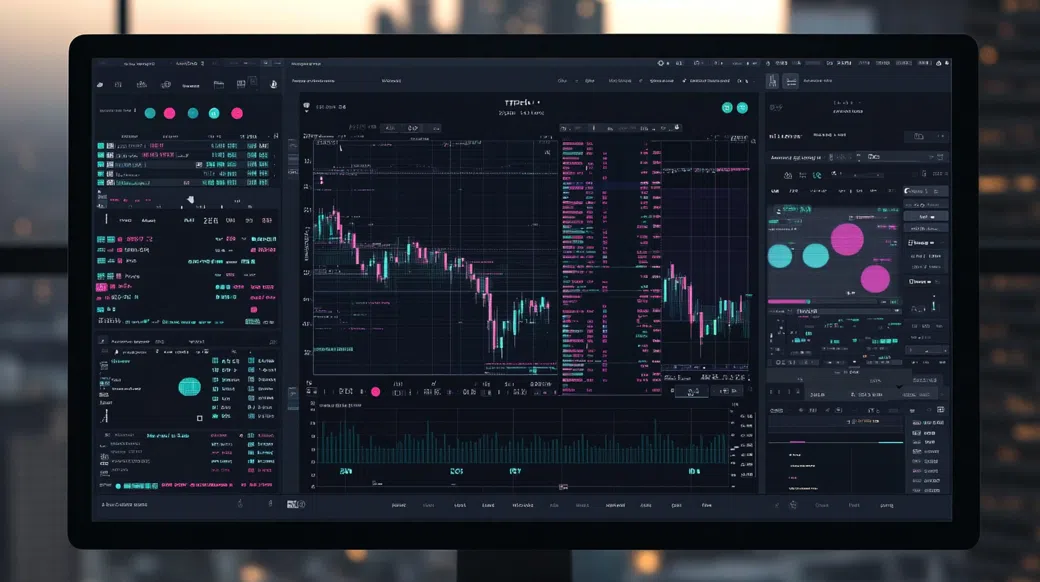
From a trader’s seat, the WebTrader is clean and predictable: stable sessions, watchlists that persist, and one-click trade controls once enabled. Order coverage in my test included market, limit, stop, and take-profit/stop-loss attachments; execution felt consistent during the London–New York overlap on EUR/USD, with small slippage when I hit the button into a quick move. If you live inside MT4/MT5 scripts and third-party add-ons, note that this service’s stack is proprietary—usable, but not an ecosystem.
The Vadeliyet app does most of the heavy lifting: quotes streamed without noticeable lag on Wi‑Fi, positions could be reduced/closed with a couple taps, and deposits/withdrawals were accessible from the same menu tree. On Android, I used biometric unlock after the first Vadeliyet login, which reduced friction. My only gripe is screen density—indicators are there, but multi-window analysis is still a desktop job.
Charting covers the essentials: multiple timeframes, common indicators (RSI, MACD, moving averages, Bollinger), and drawing tools for levels and trendlines. You also get an economic calendar and an integrated news feed, enough to stay aware of CPI/NFP-style risk. The ceiling shows up when you want deeper analytics, custom indicators, or advanced automation—areas where MT5/cTrader users usually expect more.
After entering email, phone, and a short suitability-style questionnaire, the portal pushed me straight into AML/KYC steps. I uploaded a passport photo page plus a utility bill dated within three months; verification cleared later the same business day. The flow is designed to collect compliance documents early, not at the moment you try to cash out—an approach I prefer because it reduces “surprise friction” later.
One practical note: account currency options were limited in my setup, so consider how often you’ll convert BRL/EUR/GBP into USD when calculating true costs. The onboarding is quick, but the real gate is document quality—blurry proof-of-address photos get rejected everywhere in this segment.
I pinged live chat with a very trader-specific question: where to find symbol swap rates and whether the Raw/ECN tier changes financing. A human agent came back in roughly three minutes and pointed me to the instrument-spec page plus a short explanation of triple-swap timing. I also sent an email about Vadeliyet withdrawal processing cutoffs; the ticket reply landed in about nine hours with method-by-method expectations and a reminder that KYC must be approved first.
Coverage looked standard for a CFD desk—24/5 chat and email, with response quality depending on the complexity of the question. Language support is region-dependent; English was fine, while Portuguese availability wasn’t consistently offered on every touchpoint. I didn’t see reliable phone dealing support, which keeps it aligned with most offshore brokers rather than full-service firms.
If you’re considering an account, start by checking your region’s eligibility, then compare Standard versus Raw/ECN pricing on the instruments you actually trade. I’d also run a demo first to stress-test charting and order controls before committing meaningful capital.
Visit VadeliyetIt can be, provided you keep position sizing small and use the demo first. The WebTrader layout is easy to navigate, but leverage up to 1:500 is not beginner-friendly if you treat it like “free money.” Beginners should focus on risk controls (stops, margin awareness) more than on instrument variety.
Yes, crypto CFDs were available in my test, including BTC/USD and ETH pairs. You’re trading price exposure via CFDs, not buying coins on-chain. That means no wallet withdrawals and financing/overnight costs can apply, especially over weekends.
No evidence from my transaction tests suggested a “Vadeliyet scam” pattern—deposits credited correctly and a withdrawal request moved through processing after KYC. The important nuance is jurisdiction: offshore registration (Mauritius FSC shown during onboarding) doesn’t equal the same safeguards you’d get with FCA/ASIC-style oversight. Treat it as a higher-risk venue and size accordingly.
No, the platform restricts USA residents. The sign-up and verification checks are designed to enforce that policy. If you’re traveling, expect KYC country-of-residence to be the deciding factor.
A Vadeliyet withdrawal typically shows internal processing within 24–48 hours once KYC is approved. After that, delivery depends on the rail: cards are commonly 2–5 business days, bank wires 3–7 business days, and crypto is often same-day. Your bank or card issuer can add extra latency on their side.
The Vadeliyet minimum deposit is $200 on the funding screen I used. That level is enough to test execution and platform behavior, but it’s not enough to safely run high leverage without tight risk limits. If you trade indices or gold, plan margin with room for volatility.
Yes, I used the iOS/Android mobile apps to monitor positions and access deposits and withdrawals. The app supports basic order management and push-style account notifications depending on device settings. For full analysis, the WebTrader still offers a better workspace.
Overall Score: 4.0/5
Execution and account operations were the deciding factors for me: orders filled without drama in liquid hours, and the cash-out pipeline worked once documents were approved. For traders who understand margin, the pricing tiers and multi-asset CFD menu at Vadeliyet are practical in 2026—especially if you’re rotating between FX, US indices, and gold. The offshore setup is the real constraint: protections and formal recourse are thinner than Tier‑1 brokers, so keep expectations realistic. CFDs are leveraged; capital is at risk, and leverage amplifies both wins and losses.
Best for: active CFD traders who want WebTrader + mobile access and can quantify costs (spread, commission, swap). Avoid if: you require Tier‑1 regulation, advanced MT4/MT5 automation, or you tend to overuse high leverage.