Verger Rendoire Trading Platform Alternatives 2026
Compare Verger Rendoire alternatives for 2026: regulated brokers, FX/CFD costs, platforms, investor protection, and a safer migration checklist.

Compare Verger Rendoire alternatives for 2026: regulated brokers, FX/CFD costs, platforms, investor protection, and a safer migration checklist.
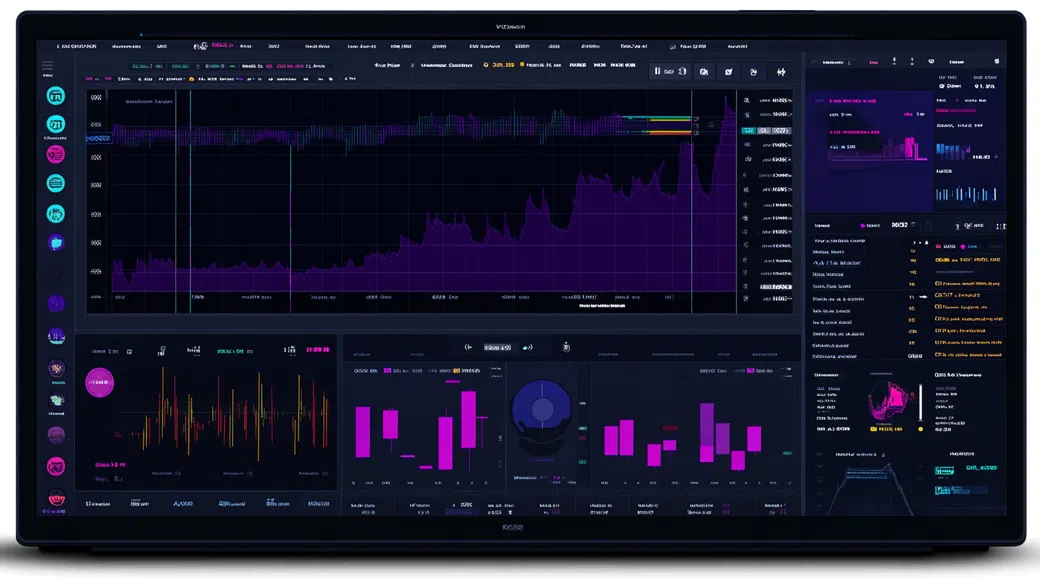
Spreads and execution decide your P&L faster than any marketing slogan. That’s why the first thing I look at with offshore-style CFD venues is the full trade cost (spread + commission + slippage) and what happens when you want your money back. In the case of Verger Rendoire, public signals look consistent with an offshore framework (commonly seen under Seychelles FSA entities), a CFD-first product set (FX, indices, commodities, and crypto CFDs), and a proprietary WebTrader/mobile app stack aimed at fast onboarding rather than deep tooling. Typical parameters in this segment include a minimum deposit around $250, headline leverage up to 1:500, and EUR/USD spreads that frequently land near 2.0 pips on a standard-style account.
None of that automatically makes a platform unusable. It does, however, change the risk math. Offshore leverage can amplify outcomes, but it also compresses your margin-for-error during volatility spikes, and it puts more weight on internal controls like segregated client funds, withdrawal processing discipline, and dispute resolution. For US/EU traders—especially anyone who needs tighter pricing, more robust investor protection, or access to real stocks/ETFs—there are cleaner substitutes. This guide focuses on Verger Rendoire alternatives that are regulated, transparent about costs, and built for repeatable execution rather than one-off trades.
Disclaimer: This article is for informational purposes only and does not constitute investment advice. CFDs and other leveraged products carry a high risk of loss and may not be suitable for all investors.
From a trader’s perspective, Verger Rendoire fits the classic offshore CFD brokerage profile: FX and CFDs are the center of gravity, crypto CFDs are often part of the menu, and access to “real” exchange-traded assets is usually thin or structured as CFDs. The operating setup in this category frequently resembles a market-maker execution model, where your fill quality depends on internal liquidity and risk controls rather than direct market access (DMA). The audience is typically retail: smaller account sizes, mobile-first usage, and an emphasis on simple order entry over advanced analytics—similar to many platforms like Verger Rendoire that target global clients outside the US.
Expect a proprietary WebTrader with basic-to-mid charting rather than a full workstation. Most traders will get standard timeframe switching, a practical set of indicators, and drawing tools that cover the essentials (trendlines, fibs, horizontal levels). Order entry is generally straightforward—market and pending orders, plus stop-loss/take-profit—while advanced conditional logic is typically limited compared with MT4/MT5 or cTrader. Mobile parity tends to be decent in this segment: watchlists sync, positions are easy to monitor, and alerts are usable, but deep customization (multi-chart layouts, complex templates, strategy testing) is rarely the strong suit.
Cost structure is usually spread-led: EUR/USD commonly prints around 2.0 pips on a standard-style account in this offshore tier, with any “raw/ECN-style” tier (if offered) typically pairing near-zero spreads with a round-turn commission in the ballpark of $6. Swap/overnight financing is part of the CFD package, so holding leveraged positions beyond a day can become a quiet drag—especially on indices and crypto. Traders should also watch for operational fees: withdrawal charges, currency conversion costs, and inactivity rules can matter more than the first deposit bonus headline.
Regulation is the hinge. Once you move meaningful size, the question stops being “can I place a trade?” and becomes “what happens under stress—platform outage, price gap, or a disputed fill?” For many readers, Verger Rendoire alternatives enter the picture when they want a stronger legal framework (FCA/ASIC/CySEC/NFA), clearer negative balance protection policies, and predictable withdrawal workflows. Even if the trading interface feels fine, the combination of high leverage (often up to 1:500) and CFD exposure can punish small execution flaws—slippage on stops is not theoretical during news.
Think like a risk manager, not a shopper. The right replacement depends on what you trade, how often you trade, and which failure you can’t tolerate (pricing, platform downtime, custody risk, or withdrawal friction). The most practical method is to build a “must-have” list (regulation, platforms, instruments), then compare round-turn trading costs on your typical ticket size. That’s how you get from generic alternatives to the Verger Rendoire trading platform to a shortlist that fits your actual workflow.
Start with the regulator’s register, not a logo. FCA (UK), ASIC (Australia), CySEC (EU/Cyprus), and NFA/CFTC (US) each impose different client-money rules, reporting standards, and conduct expectations. In the UK, FSCS coverage can protect eligible client claims up to £85,000; in Cyprus, ICF coverage can extend up to €20,000 for eligible retail clients. Segregated client funds and negative balance protection should be explicit in the legal docs—if you can’t locate them quickly, that’s signal.
Match the broker to the job. FX/CFD specialists can be efficient for major pairs, indices, and metals, but they won’t replace a true multi-asset stack if you need stocks, ETFs, options, or futures. If you’re building a portfolio—cash equities, bonds, and hedges—look for brokers that offer exchange-traded access rather than synthetic CFDs. For tactical trading only, a tighter CFD venue can be enough, but make sure the instrument list fits your playbook (indices you trade, commodities you hedge, crypto exposure rules).
Spreads are visible; “all-in” cost is what matters. Compare the round-turn cost: spread (in pips) plus commission (if any) plus expected slippage. A rough sanity check: for 1 standard lot EUR/USD, 1 pip is about $10—so moving from ~2.0 pips to ~0.6 pips can be meaningful over dozens of trades. Then layer in swap/overnight fees, inactivity charges, and withdrawal/currency conversion fees; these can quietly exceed what you save on headline spreads.
Platform choice is strategy choice. MT4/MT5 ecosystems are deep for EAs and custom tooling; cTrader is popular for transparent order management and advanced charting; proprietary platforms can be fine but vary widely in stability and feature depth. Execution model matters: market maker vs STP/ECN/DMA changes how orders are handled, how requotes appear, and where slippage tends to cluster. If you’re leaving Verger Rendoire, run a small live test to measure spreads during your trading hours and how stops behave around news.
Quality support reduces operational risk. Look for clear service hours, multi-language coverage if you need it, and fast resolution for funding and platform tickets—not just sales chat. Education is a bonus, but documentation is the real edge: margin rules, swap schedules, and instrument specifications should be easy to find. Finally, check mobile parity: if you manage risk on your phone, you need reliable order modification, alerts, and account reporting.
On paper, the offshore CFD template looks attractive: ~30–50 FX pairs, 8–15 indices, and leverage that can reach 1:500. In practice, the performance hinge is cost and execution. A typical EUR/USD spread near 2.0 pips is workable for swing trading, but it’s a tax on high-turnover styles. Regulated competitors to Verger Rendoire—like Pepperstone or IC Markets—are built around lower all-in costs (often via raw-spread accounts plus commission) and mature platform stacks (MT4/MT5/cTrader) that support automation and better analytics. The other differentiator is risk controls: negative balance protection and clearer margin policies are more consistently defined under top-tier regulators, which matters when volatility gaps through stops.
If your goal is equity exposure with proper ownership, CFD-first brokers are usually the wrong tool. Stock CFDs mirror price but don’t provide shareholder rights, and financing costs can make longer holds expensive. That’s where alternatives to the Verger Rendoire trading platform diverge sharply: Interactive Brokers is designed for real global stocks/ETFs, options, futures, and FX under a heavily regulated framework (SEC/FINRA in the US; FCA in the UK for relevant entities). Saxo Bank is another strong multi-asset venue for investors who want a single account for cash equities, ETFs, and listed derivatives alongside FX. For anyone benchmarking performance in USD or EUR, true multi-currency accounts and transparent corporate action handling are not “nice to have”—they’re operational basics.
Crypto access at offshore CFD brokers is typically synthetic: you’re trading a CFD that tracks the underlying coin, not taking custody on-chain. That can suit short-term speculation, but it’s not the same as owning BTC or ETH in a wallet, and it can introduce weekend spread widening and sharp slippage. Regulated options vs Verger Rendoire for crypto exposure depend on jurisdiction: IG and Plus500, for example, offer crypto CFDs in certain regions under recognized regulators, with clearer disclosures on margin and financing. If you mainly want crypto as a hedge, focus on the broker’s risk rules—margin closeout, weekend trading conditions, and how they treat extreme moves—because that’s where the real cost shows up.
Regulation: SEC/FINRA (US), FCA (UK), IIROC (Canada) via relevant entities
Markets: Stocks, ETFs, options, futures, bonds, FX
Fees: FX is typically commission-based with tight spreads; equity pricing varies by market and routing
Platform: Trader Workstation (TWS), IBKR Desktop, web portal, mobile
Best For: Global multi-asset investors who want real markets access
Regulation: FCA, ASIC, CySEC, DFSA
Markets: FX, CFDs (indices, commodities, some crypto CFDs depending on region)
Fees: EUR/USD often ~0.0–0.3 pips on Razor/Raw-style pricing + commission; Standard-style spreads often ~1.0+ pip
Platform: MT4, MT5, cTrader, TradingView integration (availability varies)
Best For: Active FX traders optimizing for tight all-in costs
Regulation: FCA, MAS, DFSA via relevant entities
Markets: Stocks, ETFs, bonds, options, futures, FX, CFDs
Fees: Pricing depends on product; FX spreads are tiered, with tighter rates at higher activity/volume
Platform: SaxoTraderGO, SaxoTraderPRO
Best For: Portfolio traders who want one account for FX plus listed assets
Regulation: CFTC/NFA (US), FCA (UK), ASIC (Australia), IIROC (Canada) via relevant entities
Markets: FX (and CFDs in certain regions)
Fees: Typically spread-only pricing on many accounts; major-pair spreads often around ~0.6–1.2 pips depending on region and market conditions
Platform: OANDA web/mobile, MT4 (availability varies)
Best For: Risk-conscious FX traders who value strong regulatory footprint
Regulation: FCA, ASIC, MAS
Markets: CFDs (FX, indices, commodities, shares), spread betting (UK/IE)
Fees: FX spreads often start around ~0.6+ pips on majors in liquid hours; costs vary by instrument and account
Platform: IG web platform, mobile app, MT4 (in supported regions)
Best For: Index and macro CFD traders who want broad market coverage
Regulation: ASIC, CySEC (and FSA Seychelles at group level for certain entities)
Markets: FX, CFDs (indices, commodities, some crypto CFDs depending on region)
Fees: EUR/USD often ~0.0–0.3 pips on Raw pricing + commission (varies by platform); Standard-style spreads commonly ~1.0+ pip
Platform: MT4, MT5, cTrader
Best For: Algorithmic and scalping strategies needing MT4/MT5/cTrader
| Platform | Regulation | Main Markets | Typical Costs | Best For |
|---|---|---|---|---|
| Interactive Brokers (IBKR) | SEC/FINRA, FCA, IIROC (entity-dependent) | Stocks/ETFs, options, futures, bonds, FX | Commission-based FX with tight spreads; product-based pricing | Global multi-asset investors who want real markets access |
| Pepperstone | FCA, ASIC, CySEC, DFSA | FX + CFDs | Raw: ~0.0–0.3 pips + commission; Standard: ~1.0+ pip | Active FX traders optimizing for tight all-in costs |
| Saxo Bank | FCA, MAS, DFSA (entity-dependent) | Multi-asset: listed + FX/CFDs | Tiered pricing; tighter at higher activity/volume | Portfolio traders who want one account for FX plus listed assets |
| OANDA | CFTC/NFA, FCA, ASIC, IIROC (entity-dependent) | FX (and CFDs where offered) | Often spread-only; majors roughly ~0.6–1.2 pips typical | Risk-conscious FX traders who value strong regulatory footprint |
| IG | FCA, ASIC, MAS | CFDs across FX/indices/commodities/shares | Majors from ~0.6+ pips in liquid hours; varies by market | Index and macro CFD traders who want broad market coverage |
| IC Markets | ASIC, CySEC (plus FSA Seychelles for some entities) | FX + CFDs | Raw: ~0.0–0.3 pips + commission; Standard: ~1.0+ pip | Algorithmic and scalping strategies needing MT4/MT5/cTrader |
Switching brokers is not a single click; it’s a sequence designed to prevent downtime and funding surprises. Treat it like reducing operational risk: verify the new venue, test execution with small size, and only then redeploy capital. If you’re moving away from Verger Rendoire, remember that leverage cuts both ways—closing positions and withdrawing funds during volatile markets can expose you to gaps and forced liquidations if you rush.
If you’re still evaluating accounts, compare the platform stack, costs, and regional eligibility side by side before funding. The cleanest process is to verify disclosures and withdrawal rules upfront, then test with small size. Conditions can vary by entity and country.
Visit Verger RendoireThe best choice depends on whether you need real multi-asset access or mainly FX/CFDs. For global stocks/ETFs and listed derivatives, Interactive Brokers and Saxo Bank are hard to beat; for FX/CFD cost efficiency, Pepperstone or IC Markets are usually stronger fits than offshore venues. If regulation footprint is the priority (especially for US FX), OANDA is often a practical benchmark. That mix is why this list is positioned as the best Verger Rendoire alternatives 2026 rather than a single “winner.”
Verger Rendoire appears consistent with an offshore/unregulated-or-lightly regulated setup (often seen under Seychelles FSA entities), which generally provides fewer investor-protection backstops than FCA/ASIC/CySEC/NFA frameworks. That means compensation schemes like FSCS (£85k) or ICF (€20k) may not apply, and dispute resolution can be less robust. Safety is not only “can I log in,” but also segregation of client funds, withdrawal reliability, and clear negative balance protection.
With Verger Rendoire, the common pattern is FX and CFDs, with crypto exposure typically offered as crypto CFDs rather than on-chain ownership. Real stock/ETF dealing and listed futures are often not the focus in this segment, or they may appear only as CFDs on shares or indices. If you need exchange-traded stocks and futures, Interactive Brokers or Saxo Bank are more direct substitutes for Verger Rendoire in that specific use case.
Before switching, verify the new broker’s regulator entry on the official register and confirm which legal entity will hold your account (this can change protections). Next, compare round-turn costs on your typical trade size and review margin rules, swap schedules, and negative balance protection. Finally, complete KYC at the new broker first, then withdraw from the old account using the same funding rail to reduce AML delays.
About the Author: Carlos Mendes is a former equity desk analyst from São Paulo who covers emerging-market brokerages and Latin American fintech with a trader’s bias for measurable variables—spreads, execution, and risk controls. He focuses on how platform design and regulation translate into real-world outcomes for active accounts.