Vitezia GPT Review 2026: Is It Safe & Worth Your Money?
In-depth Vitezia GPT review updated for 2026. We tested spreads, key features, supported countries, and safety. Read our full verdict.

In-depth Vitezia GPT review updated for 2026. We tested spreads, key features, supported countries, and safety. Read our full verdict.
| Min Deposit | $200 |
| Max Leverage | 1:500 |
| Assets | Forex, Indices, Commodities, Crypto CFDs, Share CFDs |
| Platforms | Proprietary WebTrader + iOS/Android apps |
Built for traders who want CFD exposure with high leverage and a clean web/mobile workflow, Vitezia GPT suits active speculators—while the headline compromise is the offshore framework and lighter investor recourse. My test account showed two clear pricing tiers (spread-only vs. tighter spread plus commission), with enough markets to build a macro book around FX, indices, gold, and the big crypto tickers. The platform stack is proprietary rather than MT4/MT5-centric, which keeps it simple but limits third‑party automation. Execution felt consistent for liquid products, yet the risk controls are ultimately “broker policy” more than regulator mandate—so position sizing matters. For the current product scope, I started at Vitezia GPT with a small deposit and treated it like a leverage tool, not a bank account.
Vitezia GPT looks operational rather than a “vanish-with-your-deposit” setup, but it sits in the offshore CFD category where protections depend more on internal policy than strict regulator enforcement. I was able to complete KYC, trade, and withdraw, yet that doesn’t convert offshore registration into Tier‑1 safety.
Seychelles FSA registration places this broker in the global, high-leverage lane: easy access for many regions, fewer formal compensation schemes, and a thinner path for arbitration if something turns into a dispute. In my checks, the red-flag list came back mostly clean: no aggressive “account manager” pressure, no suspicious trophy-wall marketing, and the withdrawal path didn’t introduce surprise steps beyond verification. On the positive side, identity validation was enforced (ID + proof of address), and the client-area language referenced segregated client funds—useful, though not the same as a strong statutory regime. One nuance traders should price in: offshore venues can change margin rules quickly during volatility. CFDs are leveraged products; many retail accounts lose money, and capital is always at risk.
This service is broadly accessible across LATAM, parts of Europe outside the strictest regimes, and several MENA/Asia jurisdictions, while the USA and sanctioned countries are blocked.
| Region | Status | Leverage Cap |
|---|---|---|
| Latin America (select countries) | Accepted | Up to 1:500 |
| MENA (non-sanctioned) | Accepted | Up to 1:500 |
| Southeast Asia (select countries) | Accepted | Up to 1:500 |
| Europe (non-EU/EEA select) | Accepted | Up to 1:200 |
| Sub-Saharan Africa (select countries) | Accepted | Up to 1:500 |
| USA | Restricted | Not offered |
| Sanctioned jurisdictions | Restricted | Not offered |
Eligibility is enforced through a mix of signup declarations, IP checks, and KYC review—so a “green light” at registration can still flip at verification. Policies move with compliance pressure, so it’s worth re-checking your country status before funding.
The lineup reads “macro trader first”: liquid indices and FX pairs take center stage, with crypto CFDs added as a volatility sleeve rather than the whole product. That mix is practical if you rotate between London and New York sessions and want one margin pool.
All exposure is via CFDs, meaning you’re trading price differences, not owning the underlying asset. That also means no shareholder voting rights on share CFDs and no on-chain transfers for crypto positions.
Costs split by account tier: the Standard account bakes charges into the spread, while the Raw/ECN-style option compresses spreads and adds a per-lot commission. In my pricing snapshots, the all-in feel was competitive for an offshore CFD venue, especially on liquid FX during peak hours.
| Asset | Spread/Fee | Market Average Comparison |
|---|---|---|
| EUR/USD (Standard) | From 1.4 pips | In line |
| EUR/USD (Raw/ECN) | From 0.2 pips + $7 round-turn/lot | Competitive |
| Bitcoin (BTC/USD) | From $28 | In line to slightly higher on weekends |
| Gold (XAU/USD) | From $0.30 | Competitive |
| US500 Index | From 0.8 points | In line |
Non-spread costs I paid attention to: Overnight swap/financing is the real P&L tax if you hold CFDs for days; the rates varied by instrument and direction, so I’d treat them like a line item, not an afterthought. After 90 days without activity, I saw an inactivity charge set at $10 per month. Withdrawals themselves didn’t show an extra “broker fee” on my side, but the rail matters—card providers and banks can clip you with processing and FX conversion. For crypto CFDs, weekend financing and wider spreads can make “just hold it” more expensive than traders expect.
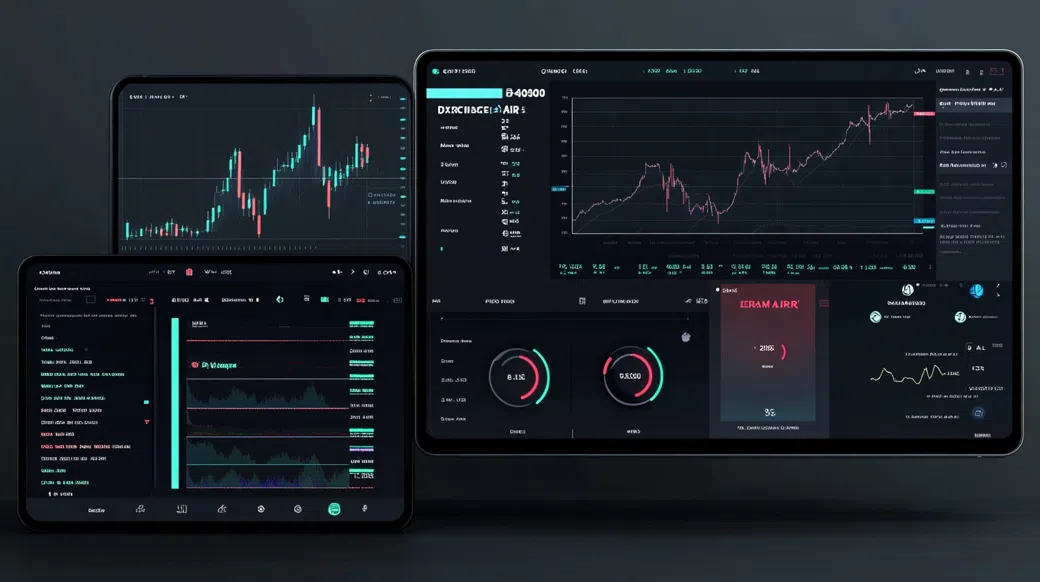
On desktop, the WebTrader is built for speed over customization: watchlists on the left, chart center, ticket on the right—no drama. I ran a small EUR/USD position into the London open to check slippage, and the fill came back without a requote loop; execution speed felt adequate for discretionary trading, not for latency games. Order types covered the basics (market, limit, stop, SL/TP), but if you live inside MT4/MT5 plug-ins and EAs, you’ll feel the missing ecosystem immediately.
The Vitezia GPT app kept most functions one or two taps away: quotes updated fast, and position management (including one‑tap close) worked as expected. My Vitezia GPT login stayed stable over multiple sessions, and biometric unlock was available on my device, which matters when volatility hits and you don’t want to fumble passwords. Deposits and withdrawals were accessible inside the app, plus push notifications for fills/price alerts. The trade-off is screen real estate—multi-chart workflows are limited compared with a full desktop setup.
Charting includes the staples (MA, RSI, MACD, Bollinger) and enough drawing tools to mark levels and structure. An economic calendar and an integrated news feed help with scheduled risk, but the research layer doesn’t pretend to be institutional. If you’re used to cTrader depth-of-market views or MT5’s broader analytics, consider this platform “good execution + adequate tools,” not a research terminal.
My onboarding started with the usual fields (email, password, country, phone), then moved straight into AML/KYC gates inside the client area. Verification required a government photo ID and a proof of address dated within three months; my documents were approved within the same business day. The funnel is designed to get you trading quickly, but it also means you’ll want your paperwork ready before you plan a withdrawal.
The practical note: base-currency choices were limited versus big multi-regulated brokers, so conversion costs can appear if you fund in BRL, MXN, or EUR while the account is USD-based. As a quick checkpoint for readers searching “Vitezia GPT minimum deposit,” the $200 entry ticket is manageable, but leverage up to 1:500 makes that starting amount risky if you oversize.
I pushed support with a real trader question—where to find swap/overnight financing for XAU/USD and whether it changes after rollover. Live chat answered in roughly three minutes and pointed me to the instrument-spec page, then clarified that triple-swap conventions can apply on specific days. I also sent an email asking about card vs. crypto withdrawal sequencing after KYC; the ticket reply landed in about eight hours with a method-by-method outline and a reminder that first withdrawals can trigger an extra compliance check. That mix reads competent for this segment.
Coverage is the typical 24/5 pattern, which aligns with CFD market hours; weekends were quieter, especially outside crypto-related queries. Language support depended on the queue—English was consistent, and Portuguese/Spanish availability seemed rotation-based rather than guaranteed. Phone wasn’t prominently featured in my dashboard, so I’d assume chat + email are the main routes unless your region is assigned a local line.
If you’re considering this broker, start by checking your country eligibility, then compare Standard vs. Raw pricing on the instruments you actually trade. A demo run around major session opens can tell you more than marketing. Once you’re comfortable, fund small and test a withdrawal early.
Visit Vitezia GPTIt can be, as long as a beginner respects leverage and sticks to small position sizes. The interface is less intimidating than pro terminals, and the $10,000 demo helps you learn margin and order types. Where novices get hurt is 1:500 leverage on a $200 account—risk management is non-negotiable.
Yes, you can trade crypto CFDs such as BTC/USD and ETH-linked products. You’re speculating on price movement, not receiving coins to a wallet. Expect wider effective costs on weekends due to spread and financing behavior.
No, my test showed a functioning broker workflow—KYC was enforced, trades executed, and a withdrawal was processed. The real caution is structural: offshore registration (Seychelles FSA) doesn’t provide the same investor protections as top-tier regulators. Treat it as a higher-risk trading venue, not a savings product.
No, it’s restricted for US residents. That’s consistent with many offshore CFD providers due to US regulatory rules. If you’re traveling, your account eligibility can still be reviewed at KYC.
Most withdrawals are approved internally within 24–48 hours once KYC is complete. After that, timing depends on the method: cards typically took 2–5 business days in my checks, bank wires 3–7 business days, while crypto transfers were often same-day. First-time withdrawals may take longer if extra compliance review is triggered.
The Vitezia GPT minimum deposit is $200. That’s enough to open positions, but with leverage up to 1:500 you can also hit a margin call quickly if you oversize. If you’re new, start smaller in exposure even if the cash deposit is fixed.
Yes, it offers iOS and Android apps alongside the WebTrader. You can manage orders, monitor positions, and access funding/withdrawal features from mobile. The app is best for execution and monitoring; deep multi-chart work still favors a desktop screen.
Overall Score: 4.0/5
Numbers first: pricing on the Raw/ECN-style tier (0.2 pips plus $7 round-turn on EUR/USD) is sharp enough to matter, and the product menu covers the instruments most CFD traders actually use. The weak point is not the UI—it’s the offshore context, where leverage up to 1:500 comes with thinner formal protections. If you treat Vitezia GPT as a trading tool, keep cash management conservative, and verify withdrawals early, the setup is coherent. CFDs are leveraged, losses can exceed expectations fast, and risk control beats any spread advantage.
Best for: active CFD traders in accepted regions who want FX/indices/gold plus crypto CFDs in one account. Avoid if: you need Tier‑1 regulation, extensive research/education, or you’re prone to overleveraging a small balance.