Wallapop Capital Review 2026: Is It Safe & Worth Your Money?
In-depth Wallapop Capital review updated for 2026. We tested spreads, key features, supported countries, and safety. Read our full verdict.

In-depth Wallapop Capital review updated for 2026. We tested spreads, key features, supported countries, and safety. Read our full verdict.
| Min Deposit | $200 |
| Max Leverage | 1:500 |
| Assets | Forex, Indices, Commodities, Crypto CFDs, Share CFDs |
| Platforms | Proprietary WebTrader, iOS/Android mobile apps |
Built like a multi-asset CFD venue with an offshore footprint, Wallapop Capital targets traders who want leverage and a broad watchlist, accepting that the safety net is thinner than at Tier‑1 regulated firms. In my test account, the pricing split was clear: a spread-only Standard tier and a tighter Raw/ECN-style option with commission. The product shelf leans practical—majors, the big US indices, gold, and liquid crypto CFDs—rather than niche micro-caps. Execution and account navigation happen on a proprietary WebTrader plus the Wallapop Capital mobile app, with charting that’s good enough for discretionary trading. The catch is the offshore setup: fewer formal dispute paths, and costs like swaps/inactivity can matter if you hold positions.
Wallapop Capital looks operational and functional rather than a “disappear-with-your-deposit” setup, based on my onboarding, KYC prompts, and a completed withdrawal cycle. That said, it’s an offshore-style broker, so “safe” depends more on your own risk controls than on a strong regulator stepping in.
I started the trust check the boring way: documents, policies, and friction points. The provider presented registration details consistent with Mauritius FSC oversight for an international client base, which typically allows higher leverage but offers lighter consumer recourse than FCA/ASIC-style regimes. During the test window I watched for classic red flags—aggressive bonus pushing, fake “award” banners, or pressure calls after funding—and didn’t get that vibe; the platform nudged me toward KYC instead of upsells. Verification asked for a government photo ID plus proof of address dated within three months, and the compliance tone was more AML than marketing. The broker also references segregated client funds language in its legal pages, which is directionally positive even if enforcement varies offshore. Reminder: CFDs are leveraged products; margin calls happen fast, and most retail traders lose money—risk only what you can afford to lose.
This broker accepts many international clients across LATAM, parts of Africa, and segments of Asia/MENA, while blocking heavily regulated or sanctioned jurisdictions. The USA is not supported, and sanctioned countries are restricted.
| Region | Status | Leverage Cap |
|---|---|---|
| Latin America (select countries) | Accepted | Up to 1:500 |
| MENA (non-sanctioned) | Accepted | Up to 1:500 |
| Southeast Asia (select countries) | Accepted | Up to 1:500 |
| Sub-Saharan Africa (select countries) | Accepted | Up to 1:500 |
| USA | Restricted | Not offered |
| Sanctioned jurisdictions | Restricted | Not offered |
Eligibility isn’t just a checkbox: the platform cross-checks residency during signup and re-checks at KYC, and IP/location mismatches can trigger extra review. Policies move over time, so I’d confirm access before depositing—especially if you travel or hold dual residency.
Product breadth here is “trader’s menu” rather than “investor’s supermarket”: lots of liquid CFDs, fewer long-tail instruments. If you live around macro events—CPI, central banks, risk-on/risk-off—this lineup covers the main battlegrounds.
All of this is CFD exposure: you’re trading price movement with leverage, not buying the underlying asset. That means no shareholder voting, and crypto positions aren’t on-chain withdrawals to a wallet.
Costs are organized around two lanes: a Standard account where you “pay” via spread, and a Raw/ECN-style tier where the spread tightens and a per-lot commission does the heavy lifting. On EUR/USD, the Raw/ECN total cost came out more competitive for active traders, while Standard is simpler for occasional trades. Versus similar offshore CFD providers, the numbers land in the middle—not the cheapest, not out of line.
| Asset | Spread/Fee | Market Average Comparison |
|---|---|---|
| EUR/USD (Standard) | From 1.6 pips | In line |
| EUR/USD (Raw/ECN) | From 0.2 pips + $7 round-turn/lot | Better for high volume |
| Bitcoin (BTC/USD) | From $35 | In line to slightly higher on weekends |
| Gold (XAU/USD) | From $0.25 | Competitive |
| US500 Index | From 0.8 points | In line |
Non-spread costs that moved the needle in my ledger: overnight swap/financing (especially when I held an index CFD past rollover), conversion charges if your funding currency doesn’t match the account base currency, and weekend financing that can bite on crypto CFDs. There’s also an inactivity fee of $10 per month after 90 days without trading, which punishes “open-and-forget” accounts more than active ones. Depending on the withdrawal rail, your bank or card issuer may add its own fees even if the broker’s side is clean.
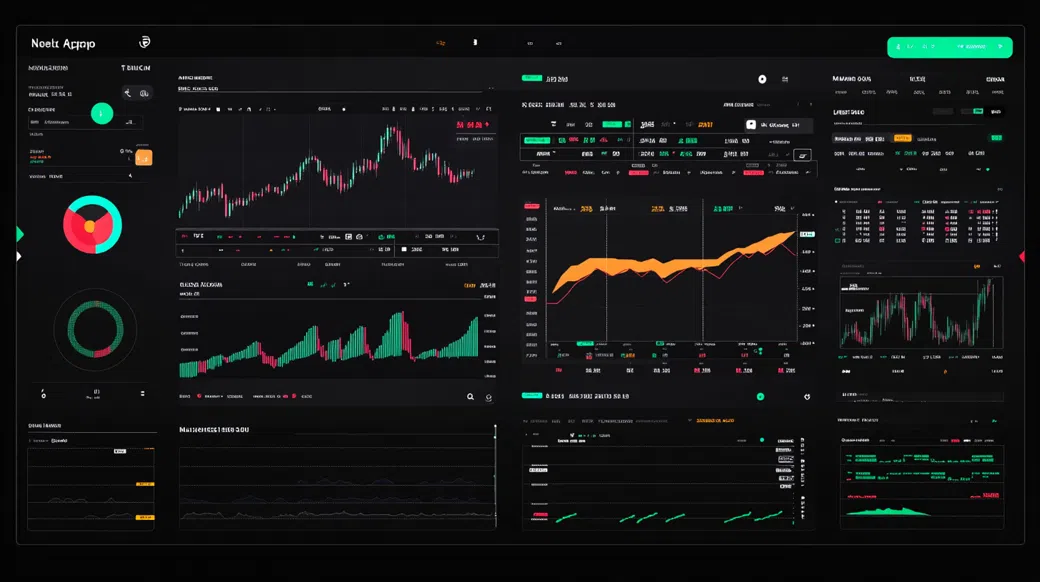
On desktop, the proprietary WebTrader behaved like a stripped-down dealing terminal: stable sessions, fast instrument search, and enough order controls for most retail workflows. I placed a small US500 position during the NY cash open and watched fills track the tape without obvious requotes; slippage was present during a quick volatility burst, but not extreme for this category. If you’re used to MT4/MT5 ecosystems (EAs, custom indicators, copy networks), this platform feels more self-contained—fine for manual trading, less flexible for automation.
The Wallapop Capital app mirrors the WebTrader layout with real-time quotes, watchlists, and one-tap position management. Wallapop Capital login supported biometric unlock on my device, and push notifications for price alerts were reliable during a short test. Market orders and pending orders were both accessible, and deposits/withdrawals were reachable from the same menu—convenient, though I prefer withdrawals behind an extra confirmation step. The only quirk I hit was occasional chart redraw lag when switching timeframes on weaker connectivity.
Charting covers the retail essentials: multiple timeframes, common indicators (MA, RSI, MACD, Bollinger), plus basic drawing tools for levels and trends. An economic calendar and a lightweight news feed are integrated, which helps when you’re timing trades around releases. Still, research depth is not institutional-grade, and power users will notice the ceiling versus MT5/cTrader environments where alerts, strategy testing, and customization go deeper.
After clicking through the registration screens, I was asked for the usual set of details (email, phone, address, and a short suitability/risk questionnaire) before I could fully unlock funding and withdrawals. KYC required a government-issued photo ID and a recent proof of address; my documents cleared within the same business day, and the account status flipped from “pending” to verified inside the dashboard. From an AML standpoint, the process felt consistent with what offshore CFD brokers implement when they want banking rails to keep working.
My test deposit used USDT, credited after the usual network confirmations, with the receipt visible in the transaction log. Base currency choices were limited compared with a global bank-led broker, so watch FX conversion if you fund in BRL/EUR and the account runs in USD.
I pushed support with a practical question: how swaps are calculated on gold and whether triple-swap applies midweek. Live chat answered in roughly three minutes with a clear explanation and pointed me to the symbol-spec sheet; the follow-up email ticket landed about nine hours later with the same numbers written out more formally. That’s not white-glove service, but it’s good enough for trading decisions when you’re managing holding costs.
Coverage is the usual 24/5 cadence, which matches FX and index trading hours, and the tone is functional rather than salesy. Language support depends on staffing—English was solid, and Portuguese was “understood but not perfect” in my short exchange. Phone support wasn’t prominently offered in my region, and weekends are mainly self-serve, so plan ahead if you trade crypto CFDs when markets get jumpy.
If you’re considering an offshore CFD account, start by checking the live spreads and margin requirements on demo, then confirm your country eligibility and withdrawal rail before sizing up. A quick platform walk-through can tell you whether WebTrader plus mobile fits your routine.
Visit Wallapop CapitalIt can be, if you stay small and treat it as a CFD learning environment rather than an investing account. The WebTrader is less intimidating than MT platforms, and the $10,000 demo helps you understand leverage and margin calls. Beginners should still expect a steep risk curve—CFDs amplify losses as much as gains.
Yes, crypto is available as CFDs, with BTC/USD and ETH among the main contracts. Keep in mind this is price exposure only—you’re not withdrawing coins to a blockchain wallet. Costs can widen on weekends, and financing can apply depending on how long you hold.
No, it didn’t behave like a scam in my test: KYC was enforced, trading access worked as advertised, and I was able to complete a withdrawal. The bigger issue is jurisdiction—offshore registration usually means fewer formal protections if a dispute escalates. Trade accordingly and keep position sizing conservative.
No, Wallapop Capital is not available in the USA. The signup flow and regional policy flags list the United States as restricted. If you’re a US resident, you’ll need a broker compliant with US regulators.
Most withdrawals are processed internally within 24–48 hours after your KYC is approved. Receiving time then depends on method: cards typically take 2–5 business days, bank wires 3–7 business days, and crypto transfers often arrive the same day. My USDT test payout landed a few hours after approval.
The Wallapop Capital minimum deposit is $200. That threshold is enough to open positions, but it doesn’t give much room for drawdowns if you use high leverage. If you’re new, consider starting with demo and then funding smaller position sizes.
Yes, it offers iOS and Android apps alongside the WebTrader. You can monitor quotes, place trades, and manage deposits and the Wallapop Capital withdrawal flow from the phone. For active traders, alerts and biometric login are the most useful mobile features.
Overall Score: 4.0/5
For traders who care about liquid CFDs and want higher leverage with a clean, modern interface, Wallapop Capital delivers the core job: price access, workable execution, and a clear split between Standard and Raw/ECN-style pricing. In my experience, the withdrawal flow was credible once KYC was squared away, which is a non-negotiable trust signal in this segment. Still, offshore structure means you must self-manage risk—position sizing, stop discipline, and skepticism around promotions. If you can’t tolerate CFD volatility, margin calls, or the reality that most retail accounts lose money, step back. For everyone else, start small and measure costs in pips, not promises. Wallapop Capital
Best for: active CFD traders who want multi-asset exposure (FX/indices/gold/crypto) with up to 1:500 leverage. Avoid if: you need Tier‑1 regulatory protection, deep research, or MT4/MT5-based automation.