Wolf Vermohof Trading Platform Alternatives 2026
Review Wolf Vermohof alternatives for 2026 with a safety-first lens: regulation, costs, platforms, execution quality, and migration steps for US/EU traders.

Review Wolf Vermohof alternatives for 2026 with a safety-first lens: regulation, costs, platforms, execution quality, and migration steps for US/EU traders.
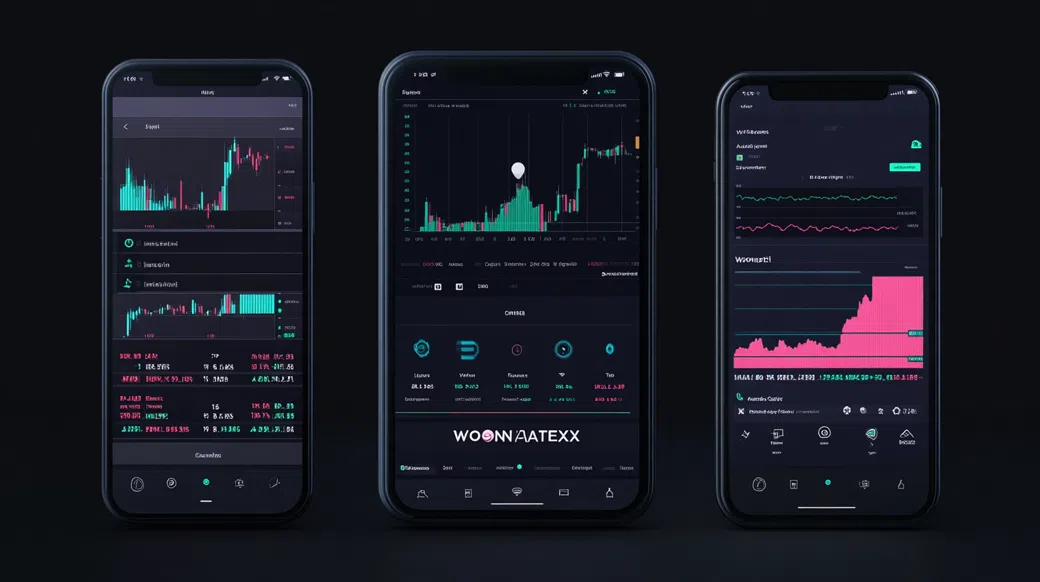
Leverage is a loud marketing tool; cost and custody are quieter—and they decide outcomes. From what’s typically observable in offshore CFD venues, Wolf Vermohof sits in that familiar bracket: a CFD-first broker offering forex, indices, commodities, and crypto CFDs through a proprietary WebTrader plus mobile apps. The package tends to look attractive on the surface (headline leverage up to 1:500, minimum deposit around $250, and “all-in-one” access), but the trade-offs matter: thinner investor protections, fewer ways to validate execution quality, and limited access to true multi-asset investing like cash equities and exchange-traded futures.
This is where Wolf Vermohof becomes a starting point rather than a destination for many serious accounts. A 0.5 pip difference in effective spread and slippage can outweigh “bonuses” quickly once you’re trading size, and the difference between owning a stock versus holding a stock CFD is not academic—no shareholder rights, no voting, and often different financing mechanics. If your plan for 2026 includes tighter controls (segregated client funds, negative balance protection where applicable, and reputable regulators), you’ll want to compare Wolf Vermohof alternatives with a spreadsheet mindset, not a slogan.
Below, I break down Wolf Vermohof trading platform alternatives 2026 with a focus on regulation, execution model, platform stack (MT4/MT5/cTrader vs proprietary), and the real “round-turn” cost of doing business.
Disclaimer: This article is for informational purposes only and does not constitute investment advice. CFDs and other leveraged products carry a high risk of loss and are not suitable for all investors.
For a retail trader, Wolf Vermohof presents as an offshore-style CFD brokerage: forex and CFDs are the core product, with crypto CFDs commonly included, and the U.S. market typically restricted. In this category, the legal framework is often lighter-touch; here I treat Wolf Vermohof as operating under a Seychelles FSA-style offshore setup, which is materially different from FCA/ASIC/NFA supervision. The practical implication isn’t just paperwork—it’s how client money is safeguarded, what dispute mechanisms exist, and how much independent transparency you can expect around execution and pricing.
The platform stack is usually a proprietary WebTrader with a companion iOS/Android app—functional, but not built for deep workflow. Expect decent basics: watchlists, one-click trading, a charting package with common indicators and drawing tools, and a straightforward account dashboard for deposits, withdrawals, and position monitoring. Where traders feel the ceiling is on “edge” features: advanced order types, granular trade analytics, and the ecosystem you get around MT4/MT5 or cTrader (strategy testers, third-party tools, and automation). Mobile parity is often acceptable for monitoring, but complex order management still tends to be easier on desktop.
Offshore CFD pricing usually comes in two flavors: a wider-spread “Standard” account or a tighter spread with explicit commissions. A reasonable working assumption is EUR/USD around 2.0 pips on a standard setup, with an ECN-style tier advertising 0.0–0.4 pips plus roughly $6 round-turn commission per standard lot. Don’t ignore swap/overnight financing; for swing traders, it can dominate the P&L more than the entry spread. Fees can also show up in the plumbing—inactivity charges or withdrawal handling—so competitors to Wolf Vermohof that publish clearer schedules are easier to audit.
The trigger is rarely a single bad trade; it’s a pattern of friction that shows up in your numbers. For many accounts, the first red flag is the mismatch between risk controls they want and what an offshore CFD venue can credibly provide—especially around dispute resolution and client-fund safeguards. From there, the search for Wolf Vermohof alternatives becomes tactical: tighter effective spreads, better execution during news, broader markets (real stocks/ETFs), or platform support for systematic trading.
I treat broker selection like a risk-budget exercise: decide what you cannot tolerate (custody risk, platform limitations, execution uncertainty), then optimize costs second. A clean comparison starts with regulation and the account structure (segregated funds, negative balance protection where required), then drills down into product fit: instruments, margin rules, and platform tooling. This approach usually surfaces the best Wolf Vermohof alternatives 2026 faster than chasing promotional spreads.
In the US/EU context, the regulator name is the first filter: FCA (UK), ASIC (Australia), CySEC (Cyprus/EU), and NFA/CFTC (US) impose tighter conduct and reporting standards than offshore frameworks. Look for segregated client funds language and confirm it’s tied to the regulated entity you’ll actually onboard with. Investor compensation also differs: the UK’s FSCS can cover eligible claims up to £85,000, while Cyprus’ ICF can cover up to €20,000—useful, but not a substitute for disciplined position sizing.
“Multi-asset” can mean two very different things: a CFD menu of indices/commodities/stocks versus access to cash equities, ETFs, options, and exchange-traded futures. If your plan includes dividend capture, voting rights, or long-horizon portfolio building, prioritize brokers that let you own the underlying securities. If you only need FX and index CFDs, a specialist can still be optimal—as long as the product set matches your strategy and region.
The clean metric is round-turn cost: spread paid on entry/exit plus commission, adjusted for typical slippage. A headline “0.0 pip” account with a $7 round-turn commission can be cheaper than a 1.2-pip spread—until execution degrades and you start donating half-pips in slippage. Also price the boring items: swap/overnight fees for hold trades, currency conversion, and inactivity charges if you trade seasonally. That’s where many alternatives to the Wolf Vermohof trading platform separate themselves.
Platform choice is strategy choice. MT4/MT5 and cTrader support automation, custom indicators, and richer order handling than many proprietary WebTraders. Execution model matters too: DMA/STP/ECN-style routing often behaves differently from a pure market-maker model during volatility, which can show up as requotes or wider effective spreads. If you’re benchmarking platforms like Wolf Vermohof, run the same trade log (session, pair, size) and compare fill quality, not just the quoted spread.
Support quality becomes visible when something breaks: a withdrawal query, a margin call dispute, or a platform outage. Check service hours that match your trading session, language coverage, and whether the broker provides clear margin/stop-out documentation. Education is a bonus, but tooling is better: robust reporting, tax-friendly statements, and mobile parity for risk monitoring. Regulated options vs Wolf Vermohof tend to be stronger on documentation and auditability.
In FX/CFDs, Wolf Vermohof likely offers a workable list—roughly a few dozen currency pairs plus major indices and commodities—paired with high headline leverage (commonly up to 1:500). The comparison point is not leverage; it’s effective cost and execution. A typical 2.0-pip EUR/USD spread on a standard account is expensive if you trade frequent round-trips, and any slippage turns into a hidden commission. Pepperstone and IC Markets, for example, are widely used by cost-sensitive FX traders because their Razor/Raw-style accounts pair tighter spreads with explicit commissions and established MT4/MT5/cTrader support. For traders running systematic entries, that platform ecosystem is often the difference between controlled execution and “hope-based” clicking.
The big gap with many offshore CFD brokers is ownership: “stocks” often mean stock CFDs, not listed equities held in custody. That changes everything—dividends may be adjusted differently, there are no shareholder rights, and financing costs can bite on long holds. If you want the real thing (cash stocks/ETFs, options, and listed futures), Interactive Brokers and Saxo Bank are built for that workflow, including broader market access and more institutional-grade reporting. For a US/EU audience trying to graduate from short-term CFDs into a portfolio that can survive a multi-year thesis, those two are credible top substitutes for Wolf Vermohof because they operate as true multi-asset venues rather than CFD wrappers.
Crypto exposure at offshore CFD venues is usually via crypto CFDs—price exposure without on-chain ownership, wallets, or transferability. That can be fine for short-term hedging, but it’s not the same as holding crypto assets, and financing/overnight charges can be a meaningful drag. On the regulated side, IG and Plus500 commonly provide crypto CFDs in jurisdictions where permitted, while keeping the broader account under recognized supervision and risk controls. If you’re comparing Wolf Vermohof alternatives for crypto, focus on product labeling (CFD vs spot), margin rules, and whether the broker adjusts leverage dynamically during volatility—because that’s when forced liquidations cluster.
Regulation: SEC/FINRA (US), FCA (UK), IIROC (Canada)
Markets: Stocks, ETFs, options, futures, bonds, FX
Fees: FX spreads are typically tight with transparent pricing; commissions vary by market/venue (shares/options/futures priced per schedule)
Platform: Trader Workstation (TWS), IBKR Desktop, Client Portal, mobile app, APIs
Best For: Multi-asset investors who want real market access
Regulation: FCA (UK), ASIC (Australia), CySEC (EU), DFSA (Dubai)
Markets: FX, CFDs (indices, commodities, some shares/crypto where permitted)
Fees: EUR/USD roughly ~0.0–0.3 pips + commission on Razor; ~1.0+ pip typical on Standard (varies by entity and conditions)
Platform: MT4, MT5, cTrader, TradingView (where available)
Best For: Systematic FX traders focused on tight all-in costs
Regulation: FCA (UK), ASIC (Australia), MAS (Singapore)
Markets: CFDs (FX, indices, commodities, shares), spread betting (UK/IE), some stock dealing in certain regions
Fees: Typically competitive spread-based pricing on major FX pairs; financing/swap applies to leveraged holds
Platform: Proprietary web platform, mobile app, MT4 (in some regions)
Best For: Active CFD traders who value strong regulatory oversight
Regulation: ASIC (Australia), CySEC (EU), FSA Seychelles (group-level)
Markets: FX, CFDs (indices, commodities, shares/crypto where permitted)
Fees: Raw spreads often near ~0.0–0.3 pips on EUR/USD + commission (commonly ~$6–$7 round-turn); Standard accounts are wider spread-only
Platform: MT4, MT5, cTrader
Best For: Scalpers who need depth in MT4/MT5/cTrader execution
Regulation: FCA (UK), MAS (Singapore), DFSA (Dubai)
Markets: Stocks, ETFs, options, futures, bonds, FX, CFDs
Fees: Pricing varies by tier and market; FX spreads and commissions depend on account level, with transparent schedules
Platform: SaxoTraderGO, SaxoTraderPRO
Best For: Portfolio builders who trade globally across asset classes
Regulation: FCA (UK), CySEC (EU), ASIC (Australia), MAS (Singapore)
Markets: CFDs (FX, indices, commodities, shares, crypto where permitted)
Fees: Spread-only model; typical costs vary by instrument and volatility, with overnight financing for held positions
Platform: Proprietary WebTrader, mobile app
Best For: Beginners who want a clean, app-first CFD experience
| Platform | Regulation | Main Markets | Typical Costs | Best For |
|---|---|---|---|---|
| Interactive Brokers (IBKR) | SEC/FINRA, FCA, IIROC | Stocks/ETFs, options, futures, bonds, FX | Venue-based commissions; tight FX pricing with transparent schedules | Multi-asset investors who want real market access |
| Pepperstone | FCA, ASIC, CySEC, DFSA | FX, CFDs | EUR/USD ~0.0–0.3 + commission (Razor); ~1.0+ spread-only (Standard) | Systematic FX traders focused on tight all-in costs |
| IG | FCA, ASIC, MAS | CFDs (FX, indices, commodities, shares) | Mostly spread-based; financing on leveraged holds | Active CFD traders who value strong regulatory oversight |
| IC Markets | ASIC, CySEC, FSA Seychelles (group-level) | FX, CFDs | EUR/USD ~0.0–0.3 + ~$6–$7 round-turn (Raw); wider spread-only option | Scalpers who need depth in MT4/MT5/cTrader execution |
| Saxo Bank | FCA, MAS, DFSA | Stocks/ETFs, options, futures, bonds, FX, CFDs | Tiered schedules by product; transparent commissions/spreads | Portfolio builders who trade globally across asset classes |
| Plus500 | FCA, CySEC, ASIC, MAS | CFDs (multi-asset list) | Spread-only; overnight financing applies | Beginners who want a clean, app-first CFD experience |
Switching brokers is operational risk before it’s market risk. Do it in sequence so you don’t end up with open exposure on one platform while your cash is stuck in transfer on another. And remember: leveraged CFDs can move faster than withdrawal timelines, so keep position sizes conservative during the transition. If you’re migrating from Wolf Vermohof, treat every step as a checklist item you can prove with screenshots and statements.
If you’re still evaluating the current setup, review the onboarding terms, regional restrictions, and fee schedule side-by-side with regulated brokers. Check whether the platform tools you need in 2026 (automation, reporting, execution controls) are actually available in your jurisdiction before committing more capital.
Visit Wolf VermohofThe best alternative depends on whether you need real multi-asset access or just FX/CFDs at low cost. For cash stocks/ETFs and listed futures, Interactive Brokers or Saxo are hard to ignore; for FX-first trading with MT4/MT5/cTrader, Pepperstone and IC Markets are common picks. In practice, “best Wolf Vermohof alternatives 2026” means matching platform + regulation to your strategy, then minimizing round-turn costs.
Wolf Vermohof appears to fit an offshore/unregulated profile (often associated with lighter supervision such as Seychelles-style frameworks), which generally provides fewer investor protections than FCA/ASIC/CySEC/NFA-regulated brokers. That doesn’t automatically mean fraud, but it does raise the bar for your own risk controls: smaller balances, stricter withdrawal discipline, and careful record-keeping. If safety is the priority, regulated options vs Wolf Vermohof usually offer clearer safeguards like segregated client funds and formal complaint channels.
With offshore CFD brokers, stocks and crypto are commonly offered as CFDs rather than as owned assets, and exchange-traded futures are often not part of the retail lineup. Wolf Vermohof is typically positioned around forex and CFDs, with crypto CFDs frequently included, while real stocks/ETFs and listed futures are better served by brokers like Interactive Brokers or Saxo. If you’re comparing platforms like Wolf Vermohof, confirm whether “stock trading” means cash equities or stock CFDs before funding.
Before switching, verify the new broker’s legal entity and license on the regulator’s register and confirm the account protections (segregated funds, negative balance protection where applicable, complaint process). Then audit costs using round-turn comparisons and test execution with small size—spreads alone don’t capture slippage. Finally, download your full statement history from Wolf Vermohof and plan withdrawals using the same funding method to avoid AML delays.
About the Author: Carlos Mendes is a former equity desk analyst from São Paulo who covers emerging-market brokerages and Latin American fintech through a numbers-first lens. He focuses on execution quality, fee math, and regulatory structure—because those are the variables that show up in a trader’s P&L.