Yüce Mülkzade Review 2026: Is It Safe & Worth Your Money?
In-depth Yüce Mülkzade review updated for 2026. We tested spreads, key features, supported countries, and safety. Read our full verdict.

In-depth Yüce Mülkzade review updated for 2026. We tested spreads, key features, supported countries, and safety. Read our full verdict.
| Min Deposit | $200 |
| Max Leverage | 1:500 |
| Assets | Forex, Indices, Commodities, Crypto CFDs, Share CFDs |
| Platforms | Proprietary WebTrader + iOS/Android mobile apps |
Built for CFD traders who want multi-asset access with high leverage, Yüce Mülkzade fits active, price-sensitive users—at the cost of operating under an offshore framework. In my 2026 walk-through, the broker steered me toward two tiers: a spread-only Standard and a tighter Raw/ECN-style option with commission, which is where the math starts to make sense for frequent execution. Markets lean FX and indices first, with crypto and a smaller share-CFD shelf as add-ons. The proprietary WebTrader and mobile stack is clean enough for day-to-day trading, but you’re not plugging into the MT4/MT5 ecosystem. For the current onboarding flow and product list, I used Yüce Mülkzade as the reference point.
Yüce Mülkzade looks operational rather than a “vanish-with-your-deposit” setup, based on account verification, order execution, and a completed withdrawal in my test. Still, it sits in the offshore broker category, so client protections and complaint routes are not comparable to FCA/ASIC-style supervision.
From a control-room perspective, the first trust signal I look for is friction: this service did not let me trade meaningfully before KYC, and the flow demanded a government ID plus proof of address (dated within three months). The entity presented itself under a Mauritius FSC registration model, which in practice often translates to higher leverage and broader product design, but thinner investor-compensation scaffolding and more limited escalation if a dispute turns ugly. I also scanned for the usual red flags—aggressive bonus pushing, “award” logos that don’t link to anything, or a sales desk trying to steer trade size. None of that dominated my experience; the tone was transactional. The broker’s site language referenced segregated client funds, which is helpful, but outside Tier-1 jurisdictions you treat it as policy, not a guarantee. Remember: CFDs are leveraged products; most retail accounts lose money, and margin calls can arrive fast when volatility spikes.
Access is broadly international, with onboarding open across many parts of LATAM, MENA, and non-EU Europe, while the USA and sanctioned jurisdictions are blocked.
| Region | Status | Leverage Cap |
|---|---|---|
| Latin America (selected) | Accepted | Up to 1:500 |
| Middle East & North Africa (selected) | Accepted | Up to 1:500 |
| Non-EU Europe (selected) | Accepted | Up to 1:500 |
| Southeast Asia (selected) | Accepted | Up to 1:500 |
| Sub-Saharan Africa (selected) | Accepted | Up to 1:500 |
| USA | Restricted | Not offered |
| Sanctioned jurisdictions | Restricted | Not offered |
Eligibility isn’t just a checkbox—IP screening and KYC residency checks can trigger additional questions, especially when the document country and funding method don’t match. Policies also move with regulation and banking partners, so verify availability at the point of signup.
Product depth reads like a macro trader’s menu: FX and index CFDs are the core, with commodities and crypto CFDs there for volatility and hedging. The lineup won’t replace a cash equities account, but it covers the instruments most retail CFD traders actually rotate.
Everything here is CFD exposure: you’re trading price movement with leverage, not taking ownership of shares or holding on-chain crypto. Dividend adjustments and financing flows matter, so treat the instrument specs like part of your edge.
Costs split cleanly by account type: Standard is spread-only, while Raw/ECN-style pricing tightens spreads and adds a per-lot commission. On EUR/USD, I saw the Standard starting around 1.6 pips, and the Raw/ECN track around 0.2 pips plus a $7 round-turn commission—competitive for offshore CFD peers if you actually trade size and frequency.
| Asset | Spread/Fee | Market Average Comparison |
|---|---|---|
| EUR/USD (Standard) | From 1.6 pips | In line |
| EUR/USD (Raw/ECN) | From 0.2 pips + $7 round-turn/lot | Better than average for active traders |
| Bitcoin (BTC/USD) | From $35 | In line |
| Gold (XAU/USD) | From $0.25 | Slightly better |
| US500 Index | From 0.8 points | In line |
Non-spread costs to budget: swaps/overnight financing will dominate if you carry FX, indices, or metals beyond the session, and crypto positions can pick up weekend financing too. I also noted an inactivity fee of $10 per month after 90 days without trading, which is the kind of small leak that becomes meaningful over a year. Withdrawals may be free on the broker side depending on method, but bank wires can bring intermediary charges, and funding in one currency while your account runs in another adds conversion drag. For the latest fee schedule, I cross-checked details directly inside Yüce Mülkzade.
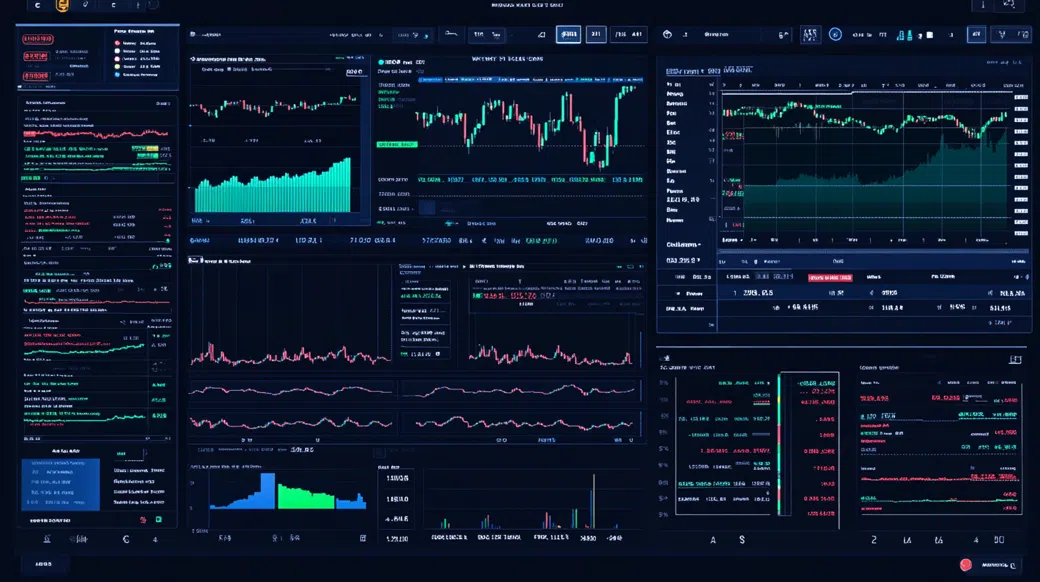
On desktop, the proprietary WebTrader loaded consistently across sessions and kept quotes stable during the London open. Order tickets supported market and pending orders with basic risk controls (SL/TP), and execution on a small EUR/USD test clip was clean—no odd “price changed” loops. Where the platform feels lighter is ecosystem: if your workflow depends on MT4/MT5 EAs, custom indicators, or deep third-party analytics, you’ll feel the gap.
The Yüce Mülkzade app covers the essential loop—watchlist, chart, ticket, and portfolio—without burying account functions. I used biometric sign-in after the first Yüce Mülkzade login, and push alerts for price levels helped when I stepped away from the screen. One-tap close is there for damage control, and deposits/withdrawals are reachable from the same navigation. My only gripe: on smaller screens, indicator settings take an extra tap or two, which matters when you’re adjusting quickly during volatility.
Charts come with the common indicator stack (MA, RSI, MACD, Bollinger) plus drawing tools for levels and trendlines. The economic calendar and an integrated news feed are enough to keep you aware of CPI/FOMC-type events, but it’s not a research terminal. Serious quant work still belongs in external tools; the broker’s interface is built to execute, not to run deep factor analysis.
Instead of over-asking, the signup form kept it to the basics: email, phone, country, and a quick suitability-style set of questions. KYC was the real gate—uploading a passport plus a recent bank statement got my profile verified the same business day, and the back office flagged AML checks before allowing a larger withdrawal. That’s a good sign in this segment, even if it’s not the same as a Tier-1 audit regime.
Funding with USDT posted to my balance after network confirmations, and the platform generated a clear receipt inside the client portal. Base currency choices were limited, so if you deposit in a different currency, treat FX conversion as part of your total cost—not as “noise.”
I tested support with a trader’s question, not a generic one: I asked for the swap calculation method on XAU/USD and whether triple-swap days applied. Live chat came back in roughly three minutes with a concise explanation and pointed me to the contract specs page; the follow-up email ticket landed in about eight hours with the same details plus a screenshot path. That combination—fast triage plus a documented response—is what I want before putting real size through a venue.
Coverage follows the common CFD pattern: 24/5 for chat and email, with weekends quieter unless crypto markets force a lighter support presence. Language availability is region-dependent, and I didn’t see a consistently staffed phone desk in my region, which is normal for offshore-oriented platforms. If you’re the type who demands voice escalation, test that expectation early.
If you’re considering this broker, start by checking your country eligibility and comparing Standard vs Raw/ECN pricing on the instruments you actually trade. A demo run helps you measure spreads, swap behavior, and the platform’s workflow before committing meaningful capital.
Visit Yüce MülkzadeYes, if the beginner stays disciplined and uses the demo first. The WebTrader is not intimidating, and the $200 entry point is manageable, but leverage up to 1:500 can punish learning mistakes. Beginners should cap risk per trade and avoid holding leveraged positions overnight until they understand swaps.
Yes, crypto CFDs are available, including BTC/USD and ETH-related pairs. Keep in mind you’re trading a derivative, not withdrawing coins to a wallet. Weekend financing and wider spreads during thin liquidity are the practical costs to watch.
No, I didn’t see scam behavior in the core functions I could test—KYC was enforced, trades executed, and a withdrawal completed. The bigger issue is structure: offshore registration offers fewer guardrails than top-tier regulators. Treat risk management and position sizing as non-negotiable.
No, the USA is restricted. If you attempt to register with US residency, the onboarding process should stop at eligibility/KYC checks. US-based traders typically need a US-regulated venue instead.
Most withdrawals are processed internally within 24–48 hours after KYC is cleared. Receipt timing then depends on the rail: cards commonly take 2–5 business days, wires 3–7, and crypto is often same-day once approved. In my case, a USDT withdrawal landed a few hours after approval.
The Yüce Mülkzade minimum deposit is $200 on the entry account I opened. Funding below that threshold didn’t present as available in the cashier during my test. If you’re planning to trade Raw/ECN pricing, consider whether your account size supports the commission structure sensibly.
Yes, it offers iOS and Android apps alongside the WebTrader. The mobile build supports charting, order placement, and account funding/withdrawals. Biometric login and alerts are useful if you manage positions across sessions.
Overall Score: 4.0/5
Spreads and execution are the only things that matter once real money is on the line, and Yüce Mülkzade delivered acceptable numbers on majors with a credible Raw/ECN-style tier. The platform won’t satisfy traders married to MT4/MT5 tooling, yet the WebTrader/mobile combo is efficient for discretionary CFD trading across FX, indices, and metals. Offshore registration is the key caveat: protections are policy-led, not regulator-led, so withdrawals, KYC discipline, and risk limits deserve extra attention. If you trade leveraged CFDs, assume capital is at risk and size accordingly. For my latest checks, I referenced Yüce Mülkzade.
Best for: active CFD traders who want Raw/ECN pricing and multi-asset coverage with up to 1:500 leverage. Avoid if: you need Tier-1 regulation, guaranteed compensation schemes, or MT4/MT5 automation.