Zelmarek Quntrivo Trading Platform Alternatives 2026
Compare Zelmarek Quntrivo alternatives for 2026: regulated brokers, costs, platforms (MT4/MT5/cTrader), asset access, and safety steps for switching.

Compare Zelmarek Quntrivo alternatives for 2026: regulated brokers, costs, platforms (MT4/MT5/cTrader), asset access, and safety steps for switching.
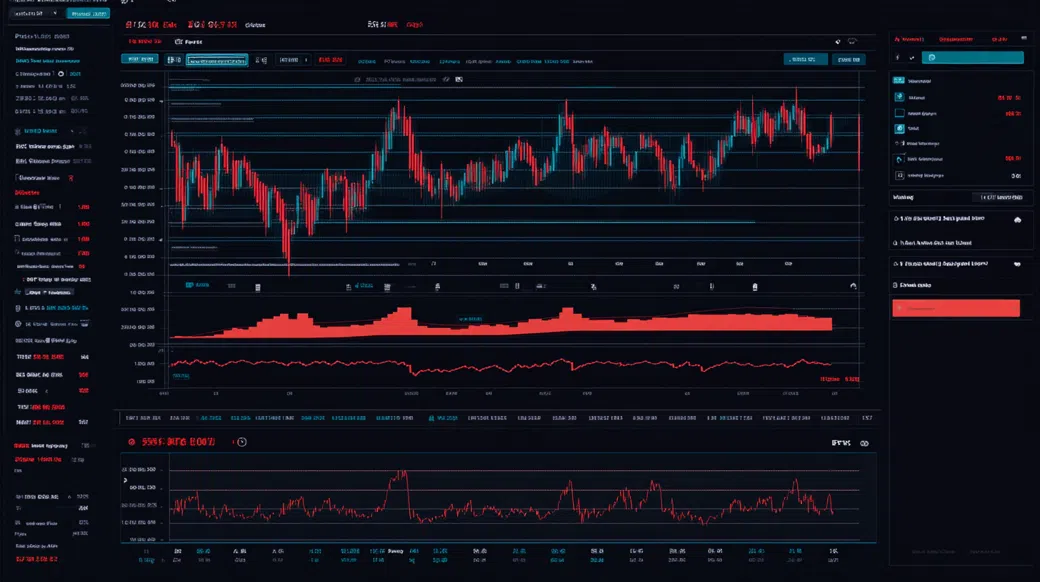
Leverage sells. Spreads pay the bill. And jurisdiction decides what happens when something goes wrong. That’s the lens I use when readers ask about Zelmarek Quntrivo—an offshore-style Forex/CFD venue that typically sits in the high-leverage, proprietary-WebTrader segment. In this category, you usually get a clean login, a functional mobile app, and enough instruments to trade majors, gold, oil, and a handful of indices. What you often don’t get is the same level of regulatory backstop you’d expect in the US or EU, plus the deeper platform stack that systematic traders lean on.
The practical reason people search for Zelmarek Quntrivo alternatives isn’t “features” in the abstract. It’s friction: a strategy that needs MT5 or cTrader, a cost profile that looks fine per trade but balloons over 200–500 round turns, or a compliance/withdrawal workflow that feels opaque once you size up. Based on what’s commonly observed among offshore providers, you’re typically looking at a $250 minimum deposit, maximum leverage around 1:500, and EUR/USD spreads around 2.0 pips on a standard-style account. That combo can work for small tickets, but it’s not the same proposition as a tightly supervised broker with segregated client funds, negative balance protection policies in certain regions, and transparent execution disclosures.
Disclaimer: This article is for informational purposes only and does not constitute investment advice. CFDs and other leveraged products carry a high risk of loss, and you can lose more than your initial deposit depending on the product and jurisdiction.
From a market-structure standpoint, Zelmarek Quntrivo looks like a CFD-first broker aimed at retail traders who want fast onboarding and higher leverage than they’d get under stricter European rules. Public-facing information in this offshore segment commonly points to registration in Seychelles (often under an FSA framework), with the usual consequences: fewer standardized investor-protection mechanisms, less consistent disclosure, and a heavier burden on the client to verify custody, complaints handling, and withdrawal rules. For traders outside the US (which is typically restricted), it’s often positioned as a single-account gateway to FX pairs, index CFDs, commodities, and crypto CFDs—more “trade the price” than “own the asset.”
On the platform side, the typical stack here is a proprietary WebTrader with an iOS/Android companion app. Charting tends to be serviceable rather than institutional-grade: multiple timeframes, common indicators, and basic drawing tools are usually present, while advanced scripting, custom indicators, and strategy testing are limited compared with MT4/MT5/cTrader ecosystems. Order tickets typically support market and pending orders, plus stop-loss and take-profit levels; more nuanced order logic (like advanced OCO workflows) is less common. Mobile parity is often decent for monitoring and execution, but active traders may notice gaps in workspace customization and depth-of-market style views seen at competitors to Zelmarek Quntrivo in the regulated space.
Costs are where small differences compound. In this broker segment, a standard account frequently shows EUR/USD around 2.0 pips in normal liquidity conditions, with the true cost drifting higher during rollovers and volatile sessions. Some venues advertise a “raw” or “ECN-style” tier (often around 0.0–0.4 pips plus roughly $6–$8 per round turn), but the fine print usually determines whether that pricing is broadly accessible or tied to higher deposits. Add swap/overnight financing, and longer holds can get expensive quickly. Also watch for peripheral charges—withdrawal handling fees and inactivity fees—because these are the line items that rarely show up in headline pricing comparisons of platforms like Zelmarek Quntrivo.
Cost pressure is usually the first crack. A two-pip EUR/USD spread looks tolerable until you run the math on frequency: 300 round turns a month on a one-lot equivalent is a very different budget than 30. The second crack is control—execution transparency, platform tooling, and what recourse exists if a dispute turns into a jurisdictional problem. That’s why Zelmarek Quntrivo alternatives tend to skew toward brokers with clear regulator oversight, published policies on negative balance protection (where applicable), and platform stacks that match specific strategies.
Treat the selection process like a risk-budget decision, not a UI decision. Start with “what happens if this broker fails,” then move to “what does it cost me to run my strategy,” and only then worry about charts and watchlists. The best alternatives to the Zelmarek Quntrivo trading platform are usually the ones that fit your instrument needs, sit under a regulator you can verify, and give you stable execution under stress.
For US/EU-focused traders, the regulator is the foundation: FCA (UK), ASIC (Australia), CySEC (Cyprus/EU passporting in certain setups), and NFA/CFTC (US) are the names that matter most. Under FCA authorization, eligibility for FSCS protection can reach up to £85,000 in specific circumstances; CySEC’s ICF framework is commonly cited up to €20,000 for eligible clients. None of this makes trading “safe,” but it changes the failure-mode math. Look for segregated client funds language, clear complaints procedures, and the ability to verify the firm on the regulator’s public register.
Match instruments to your actual plan. FX and index CFDs may be enough for a macro day trader; an investor building long-term exposure usually needs real stocks and ETFs. Options and futures matter for hedging and professional-style risk control, but they typically sit with multi-asset brokers rather than CFD-first shops. If your goal is crypto exposure, decide early whether you want crypto CFDs (price exposure only) or spot ownership—these are different products with different risks, custody, and tax implications.
Stop comparing “spread from.” Compare round-turn cost-of-trade: spread + commission + the slippage you realistically see in your sessions. A raw account at 0.1 pips plus $7 round turn can beat a 1.2-pip all-in spread, but only if execution quality holds and you’re not paying it back via poor fills. Then add swap/overnight fees if you hold beyond the session. Inactivity and withdrawal fees are the silent leak; read the schedule before funding.
Platform is not aesthetics; it’s capability. MT4/MT5 ecosystems support EAs and custom scripts, while cTrader appeals to traders who care about order handling and workflow. Proprietary platforms can be fine, but you’re locked into that vendor’s toolset. Execution model matters too: market maker setups can be acceptable, yet STP/ECN/DMA routing tends to provide more transparency for traders sensitive to slippage. If you’re currently using Zelmarek Quntrivo, replicate your key orders on a demo first and watch how stops and limits behave in fast markets.
Service quality shows up when money needs to move. Test support with a specific question about margin calls, negative balance protection, and withdrawal timelines; vague answers are a signal. For global users, language coverage and 24/5 availability matter, especially around Sunday opens and Friday closes. Education is secondary for pros, but a well-structured knowledge base and transparent risk disclosures usually correlate with mature operations. Also check mobile parity: if you manage risk from your phone, you need full position controls—not just quotes.
FX and CFDs are the natural home turf here: think roughly 30–50 FX pairs, a short list of commodities, and 8–15 index CFDs, with leverage often marketed up to 1:500. The trade-off is that headline leverage doesn’t compensate for a wider dealing spread—around 2.0 pips on EUR/USD in this segment can turn active strategies into a fee-transfer mechanism. If your month involves frequent entries, FX/CFD specialists like Pepperstone and IC Markets are typical upgrades: both are known for offering MT4/MT5 and cTrader (availability varies by entity) and more competitive raw-style pricing structures where commissions are explicit. Execution quality is the other lever—under stress, the practical question is how often your fills deviate from your click, and whether that deviation is symmetric or always against you.
This is where many offshore CFD-first platforms leave a gap. Even if you see “stocks” in the menu, it’s often stock CFDs rather than ownership—no voting rights, no transferability, and corporate actions handled through synthetic adjustments. Traders who actually want to build a portfolio (US or EU equities, ETFs, bonds) usually land at Interactive Brokers or Saxo Bank, where the proposition is broader and more transparent: real exchange access, deeper order types, and a custody framework that’s built around holding assets, not just trading synthetic contracts. The difference is practical. With real stocks/ETFs you can manage dividends, tax lots, and long-horizon allocation; with CFDs you’re managing financing rates, margin calls, and overnight risk. For many readers searching for Zelmarek Quntrivo alternatives, that ownership distinction is the entire point.
In this segment, crypto exposure is typically delivered via crypto CFDs—usually 10–30 coins—with leverage and weekend pricing that can widen sharply when liquidity thins. That’s not “bad” by definition, but it’s a different risk profile than spot ownership: you’re trading a derivative, with financing costs and potential gaps, not moving coins on-chain. If you want regulated crypto CFD access in a simpler wrapper, Plus500 and IG are commonly used in jurisdictions where they offer crypto CFDs, with clearer disclosures and tighter operational controls than many offshore venues. The key is to align the product to your intent: short-term directional views can fit a CFD; long-term accumulation usually belongs in spot custody solutions (which sit outside the Zelmarek Quntrivo trading platform alternatives 2026 discussion, but matter for decision-making).
Regulation: SEC/FINRA (US), FCA (UK), IIROC (Canada)
Markets: Stocks, ETFs, options, futures, bonds, FX (spot), some CFDs (region-dependent)
Fees: FX pricing is typically commission-based with tight spreads; equities pricing varies by venue and plan (tiered/fixed style)
Platform: Trader Workstation (TWS), IBKR Desktop, mobile app, Client Portal API
Best For: Multi-asset traders who want real-market access and portfolio-grade tooling
Regulation: FCA, ASIC, CySEC, DFSA
Markets: FX, CFDs (indices, commodities, some shares as CFDs)
Fees: Typical EUR/USD from ~0.0–0.3 pips + commission on Razor/Raw-style pricing; ~1.0–1.2 pips on Standard-style pricing (entity-dependent)
Platform: MT4, MT5, cTrader, TradingView integration (where available)
Best For: Execution-focused FX traders running systematic or high-frequency playbooks
Regulation: FCA, MAS, DFSA
Markets: Stocks, ETFs, bonds, options, futures, FX, CFDs
Fees: FX spreads typically competitive (often from ~0.6 pips on major pairs on classic tiers, tighter on higher tiers); multi-asset commissions vary by market
Platform: SaxoTraderGO, SaxoTraderPRO
Best For: Investors who mix long-term holdings with tactical hedges in one account
Regulation: FCA, ASIC, MAS
Markets: CFDs (FX, indices, commodities, shares as CFDs), spread betting (UK/IE where eligible)
Fees: Typical FX spreads often around ~0.6–1.0 pips on major pairs (varies by product and region); financing costs apply on leveraged positions
Platform: IG web platform, mobile app, MT4 (where offered)
Best For: Discretionary CFD traders who value strong risk tools and robust operations
Regulation: ASIC, CySEC, FSA Seychelles (group-level)
Markets: FX, CFDs (indices, commodities, some shares as CFDs, crypto CFDs where permitted)
Fees: Typical EUR/USD from ~0.0–0.2 pips + commission on Raw-style accounts; ~0.8–1.2 pips on Standard-style accounts
Platform: MT4, MT5, cTrader
Best For: Spread-sensitive scalpers who need raw pricing and platform choice
Regulation: FCA, ASIC, BaFin
Markets: CFDs (FX, indices, commodities, treasuries, shares as CFDs)
Fees: FX spreads often competitive (commonly from ~0.7 pips on majors on standard CFD pricing); costs vary by instrument and region
Platform: Next Generation web platform, mobile app, MT4 (limited availability by region)
Best For: Chart-driven traders who want strong analytics without installing desktop software
| Platform | Regulation | Main Markets | Typical Costs | Best For |
|---|---|---|---|---|
| Interactive Brokers (IBKR) | SEC/FINRA, FCA, IIROC | Real stocks/ETFs, options, futures, bonds, FX | Commission-based; tight FX spreads; venue-based stock fees | Multi-asset traders who want real-market access and portfolio-grade tooling |
| Pepperstone | FCA, ASIC, CySEC, DFSA | FX + CFDs | Raw ~0.0–0.3 pips + commission; Standard ~1.0–1.2 pips | Execution-focused FX traders running systematic or high-frequency playbooks |
| Saxo Bank | FCA, MAS, DFSA | Stocks/ETFs, options, futures, FX, CFDs | FX often ~0.6+ pips (tiered); commissions vary by exchange | Investors who mix long-term holdings with tactical hedges in one account |
| IG | FCA, ASIC, MAS | CFDs (and spread betting where eligible) | Majors often ~0.6–1.0 pips; financing on leveraged holds | Discretionary CFD traders who value strong risk tools and robust operations |
| IC Markets | ASIC, CySEC, FSA Seychelles (group-level) | FX + CFDs | Raw ~0.0–0.2 pips + commission; Standard ~0.8–1.2 pips | Spread-sensitive scalpers who need raw pricing and platform choice |
| CMC Markets | FCA, ASIC, BaFin | CFDs with broad instrument coverage | Majors often ~0.7+ pips; instrument-dependent pricing | Chart-driven traders who want strong analytics without installing desktop software |
Switching brokers is operational risk, not a branding exercise. You’re moving money, data, and strategy behavior across different margin engines and execution rules. Do it in sequence, and keep your exposure small until the new setup proves itself in real market hours. If you’re migrating from Zelmarek Quntrivo, assume positions won’t port over; you’ll be closing here and re-establishing there, with all the timing risk that implies.
If you’re still evaluating, review the onboarding flow, the fee schedule (including swaps and withdrawals), and your regional eligibility before committing capital. Then compare it head-to-head against regulated substitutes for Zelmarek Quntrivo that match your instruments and platform needs.
Visit Zelmarek QuntrivoThe best option depends on whether you need real assets or mostly FX/CFDs. For multi-asset access (real stocks/ETFs, options, futures), Interactive Brokers is typically the cleanest step up; for FX execution with MT4/MT5/cTrader, Pepperstone or IC Markets are common picks. If your priority is a strong proprietary platform for CFDs, IG or CMC Markets usually fits better than offshore-style platforms like Zelmarek Quntrivo.
Zelmarek Quntrivo appears to operate under an offshore framework (often associated with Seychelles-style registration in this segment), which generally provides fewer investor-protection layers than FCA/NFA-style oversight. That doesn’t automatically mean fraud, but it does mean weaker guardrails and less standardized recourse if a dispute occurs. For many traders, regulated options vs Zelmarek Quntrivo are preferable because supervision, segregation rules, and complaint pathways are clearer.
With brokers similar to Zelmarek Quntrivo, stocks and ETFs are often offered as CFDs (synthetic exposure) rather than real ownership, and listed futures are frequently not offered to retail clients. Crypto is commonly available as crypto CFDs, meaning you’re trading price movements without on-chain coin ownership. If you need real stocks/ETFs or exchange-traded futures, Interactive Brokers or Saxo Bank is typically a better match than many Zelmarek Quntrivo alternatives focused purely on CFDs.
Before switching, verify the new broker’s legal entity on the FCA/ASIC/CySEC/NFA register, then read the full fee schedule (spreads, commissions, swaps, inactivity, withdrawals). Next, test the platform stack—MT4/MT5/cTrader or proprietary—using demo and small live size to observe slippage and order behavior. Finally, plan the cash movement sequence so you’re not forced into closing trades during volatile hours, which is a real risk when moving away from Zelmarek Quntrivo.
About the Author: Carlos Mendes is a former equity desk analyst from São Paulo who covers emerging-market brokerages and Latin American fintech through a trader’s lens. He focuses on cost-of-trade math, execution details, and regulatory structure—because in markets, numbers settle arguments faster than narratives.