Zyskonex Review 2026: Is It Safe & Worth Your Money?
In-depth Zyskonex review updated for 2026. We tested spreads, key features, supported countries, and safety. Read our full verdict.

In-depth Zyskonex review updated for 2026. We tested spreads, key features, supported countries, and safety. Read our full verdict.
| Min Deposit | $200 |
| Max Leverage | 1:500 |
| Assets | Forex, Indices, Commodities, Crypto CFDs, Share CFDs |
| Platforms | WebTrader (desktop/mobile web) + iOS/Android apps |
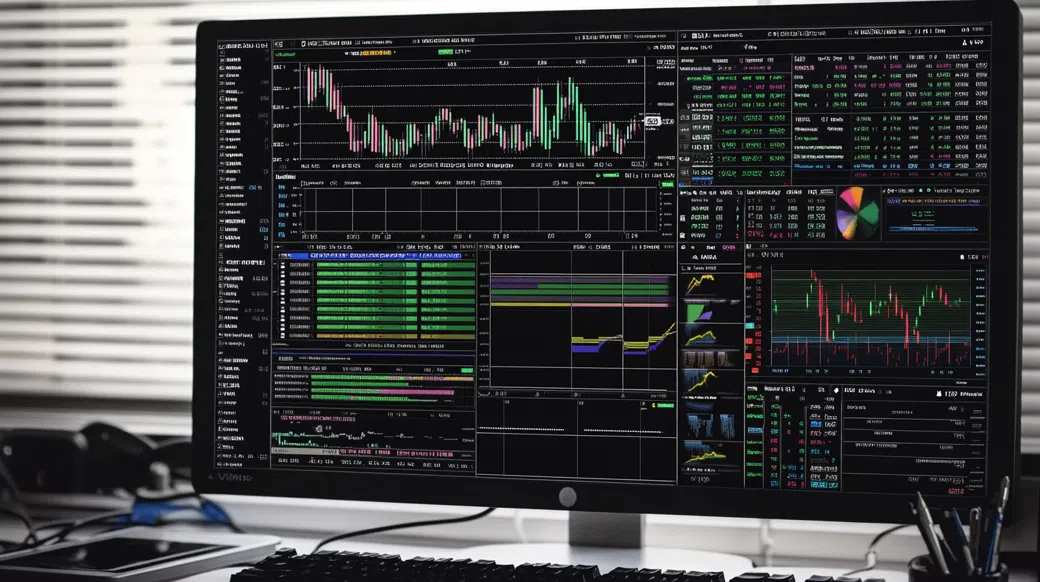
Multi-asset CFD access with high leverage is the core of Zyskonex—best suited to active traders who can price risk, with the headline trade-off being an offshore framework rather than top-tier oversight. In my test, the account ladder made sense: a spread-only Standard tier for casual flow and a Raw/ECN-style option aimed at tighter pricing. Product coverage leans FX and index CFDs first, then commodities and a compact crypto menu. The proprietary WebTrader is clean and fast enough for intraday work, while the mobile stack keeps funding and risk controls close to hand. The catch: protections and dispute routes are thinner than you’d get under a Tier-1 regulator, so position sizing matters. For details, start at Zyskonex.
Zyskonex operated as a real, functioning CFD broker in my 2026 checks: onboarding, trading, and cash-out worked end-to-end. That said, it sits under an offshore registration model, so “legit” here means operational—not the same safety net you’d associate with strict onshore regulation.
Regulatory posture is the first filter I use, and this provider presented itself under a Seychelles FSA-style offshore framework. In practice, that normally translates into more flexible leverage (here up to 1:500) and faster product rollouts, but also thinner compensation schemes and fewer formal escalation paths if a dispute turns ugly. I scanned for the usual red flags—aggressive sales calls, “guaranteed returns,” trophy-badge theatrics—and didn’t see the classic hard-sell pattern during my test window. KYC was enforced (photo ID plus proof of address), and the portal language referenced segregated client funds, which is directionally positive even if enforcement varies offshore. Still, CFDs are leveraged products; most retail accounts lose money, and your capital is at risk—treat leverage like a tool, not a lifestyle.
This broker accepted clients across large parts of LATAM, MENA, and sections of Asia in my eligibility checks, while the USA and sanctioned jurisdictions were blocked. Availability is ultimately tied to compliance rules and can change without much notice.
| Region | Status | Leverage Cap |
|---|---|---|
| Latin America (most countries) | Accepted | Up to 1:500 |
| MENA (non-sanctioned) | Accepted | Up to 1:500 |
| Southeast Asia (selected countries) | Accepted | Up to 1:500 |
| Non-EU Europe (selected) | Accepted | Up to 1:200 |
| USA | Restricted | Not offered |
| Sanctioned jurisdictions | Restricted | Not offered |
Access was enforced via onboarding declarations and KYC review—IP/location checks appeared to gate some flows before funding. If you’re traveling or relocating, re-check eligibility inside the client portal before you deposit.
Where Zyskonex earns its keep is breadth across the most traded CFD contracts: FX and indices for liquidity, metals/oil for macro expression, and crypto CFDs for volatility seekers. The menu won’t replace a true multi-venue equities setup, but it covers the instruments most retail CFD traders actually touch.
All exposure here is via CFD, meaning you don’t get shareholder voting rights on share CFDs, and crypto positions are not on-chain coins you can withdraw to a wallet. Think “price exposure,” not “ownership,” and model financing costs accordingly.
Costs are split by account tier: Standard is spread-only, while the Raw/ECN-style tier targets tighter spreads plus a per-lot commission. On my tickets, pricing landed in the middle of the offshore CFD pack—competitive on majors if you trade size, less impressive if you’re only taking small, infrequent clips.
| Asset | Spread/Fee | Market Average Comparison |
|---|---|---|
| EUR/USD (Standard) | From 1.6 pips | In line |
| EUR/USD (Raw/ECN) | From 0.2 pips + $7 round-turn/lot | Better for active traders |
| Bitcoin (BTC/USD) | From $28 | Slightly above average |
| Gold (XAU/USD) | From $0.35 | In line |
| US500 Index | From 0.8 points | In line |
Non-spread costs that matter: Overnight swap/financing is the real P&L tax for multi-day positions, and weekend financing can bite harder on crypto CFDs. I also noted an inactivity fee of $10 per month after 90 days of no trading activity, which is small individually but punishing if you park accounts across multiple brokers. Withdrawals may be fee-free on the broker’s side, yet card/wire rails and currency conversion spreads can still skim your result—especially if you fund in one currency and settle in another.
On desktop, the WebTrader felt designed for speed over decoration: stable sessions, a practical layout, and quick access to margin metrics (used/free margin, exposure by symbol). I ran a few test tickets on EUR/USD during the New York/London overlap and saw clean fills without odd “price jump” behavior; slippage existed around fast candles, but I didn’t run into a requote loop. If you live inside MT4/MT5 plug-ins and third-party algo ecosystems, this environment will feel narrower—functional, not modular.
The Zyskonex app mirrors the WebTrader watchlists and keeps order entry close: market, limit, and stop orders were easy to stage, and one-tap position close is there for damage control. Zyskonex login supported biometric unlock on my device, which matters when markets gap and you’re trying to cut risk quickly. Deposits and withdrawal requests are accessible in-app, and push notifications can be configured for price levels—useful, though not as granular as pro charting suites.
Charting is adequate: multiple timeframes, common indicators (MA/RSI/MACD/Bollinger), and basic drawing tools. An economic calendar plus a headline-style news feed helps you avoid trading blind into CPI/FOMC, but don’t expect institutional-grade research. The ceiling is clear versus MT5/cTrader-style ecosystems—fine for discretionary traders, less ideal if your edge relies on custom indicators or automation.
My onboarding started with an email + phone verification and a short profile (residency, experience, and basic suitability prompts). KYC followed the usual AML script: government-issued photo ID and a proof of address dated within three months; approval landed the same business day on my submission. The client portal also nudged me to complete verification before initiating cash-out, which is consistent with how many offshore brokers manage compliance timing.
Funding by USDT posted to my balance within minutes, and the ledger view made it easy to match confirmations to account crediting. If you want to explore the interface first, you can do that directly on Zyskonex via demo before you risk real margin.
I tested support with two practical questions: swap/overnight financing on XAU/USD and the expected timeline for a crypto cash-out. Live chat picked up in about three minutes and pointed me to the contract-spec page plus the exact cut-off time used for daily rollover. I then emailed a follow-up asking whether withdrawal processing depends on trade volume; a ticket response came back in roughly eight hours with a clear “KYC first, then 24–48 hours internal processing” explanation.
Coverage is broadly what you’d expect in this segment: 24/5 chat and email, with weekend staffing thinner and slower on non-urgent items. Language support is region-dependent, and phone numbers (when offered) tend to be limited to certain geos. Net-net, it was competent enough for operational questions, but I’d still keep your own records—screenshots, ticket IDs, and timestamps—because offshore dispute routes are more manual.
If you’re considering this broker, start by checking eligibility, then compare Standard vs. Raw/ECN pricing on the instruments you actually trade. A short demo run can also reveal whether the WebTrader workflow fits your execution style before you commit funds.
Visit ZyskonexIt can be, but only if you use the demo first and keep leverage modest. The platform layout is easy to follow, yet the product is still CFD-based and fast-moving. Beginners should treat risk controls (stop-loss, margin monitoring) as mandatory, not optional.
Yes, crypto is available via CFDs, including BTC and ETH pairs. That means you’re trading price movement with leverage, not buying coins to self-custody. Financing over weekends can materially change the holding cost on longer positions.
No—based on my 2026 broker test, the service executed trades and processed a withdrawal. The more accurate framing is that it operates under an offshore model, so investor protections and dispute escalation are not the same as with Tier-1 regulated brokers. Always verify terms, fees, and suitability before trading leveraged CFDs.
No, Zyskonex is restricted in the USA. US residents typically cannot open accounts due to local regulatory requirements. If you travel frequently, expect eligibility checks during signup and KYC.
Most withdrawals cleared internal processing within 24–48 hours after KYC in my test. Time-to-receipt then depends on the rail: cards often take 2–5 business days, wires 3–7, and crypto can arrive the same day. Weekends and bank holidays can stretch the timeline.
The Zyskonex minimum deposit is $200 on the entry-level setup I used. Funding options include cards, bank wire, and crypto rails depending on your country. If your base currency differs from the deposit currency, factor in conversion costs.
Yes, there’s a Zyskonex app for iOS and Android alongside the browser-based WebTrader. You can place orders, manage positions, and submit deposit/withdrawal requests from mobile. Biometric login is supported on compatible devices.
Overall Score: 4.0/5
From a trader’s lens, Zyskonex does the basics well: two clear pricing tiers, a usable WebTrader, and a credible funding/withdrawal flow when KYC is in order. I like the Raw/ECN-style option for frequent FX/index trading, where total cost-of-trade can beat a wide-spread Standard book. The offshore setup remains the defining constraint—great for leverage flexibility, weaker for formal investor protections—so I’d keep risk tight and avoid overexposure. If you want to compare spreads and platform feel yourself, use Zyskonex with a demo first; CFDs are leveraged and capital is at risk.
Best for: active CFD traders in supported regions who care about pricing tiers and fast execution on majors/indices. Avoid if: you require Tier-1 regulation, deep research/education, or you’re prone to overusing 1:500 leverage.